
REVIEW · BEACON HILL & BACK BAY WALKS
Boston: Underground Railroad History Tour of Beacon Hill
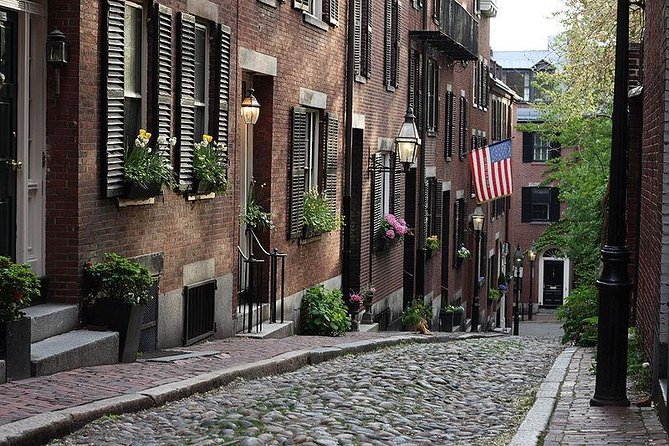
Slavery history is written into Beacon Hill’s streets. This tour keeps the focus on the people and choices that helped bring the U.S. Civil War closer, using Beacon Hill’s narrow blocks as your classroom. I especially like that it’s a small-group format, so you’re not stuck fighting for space on crowded sidewalks.
I also like the way the tour anchors big ideas in real places. You’ll spend time at key landmarks like the African Meeting House, and you’ll walk past homes tied to the Underground Railroad—right next to stories of schooling, integration debates, and anti-slavery politics. One consideration: it’s outdoors and involves hills and non-ADA-compliant sidewalks, so it’s not a great fit if you have mobility issues or low fitness.
In This Review
- 6 Key things you’ll notice right away
- Beacon Hill’s Underground Railroad story starts at Boston Common
- Meet at the Soldiers and Sailors Monument and get oriented fast
- Boston Common moments that frame everything you’ll see next
- Beacon Hill streets you walk through: from Louisburg Square to Charles Street
- Schools and meeting houses: where education and equality were contested
- African Meeting House break time that makes the story real
- Underground Railroad home sites: what you’ll actually look for
- Politics and public space: from Park Street Church to the Massachusetts State House
- The finish at the 54th Regiment Memorial: why this ending works
- Price and value for a 150-minute history walk
- Who should book this Beacon Hill Underground Railroad tour
- Should you book this tour?
- FAQ
- What is the price of the Boston Underground Railroad History Tour of Beacon Hill?
- How long is the tour?
- Where do I meet the guide?
- Where does the tour end?
- Is the tour outdoors and does it run in bad weather?
- How much walking is involved?
- Are museums included in the ticket price?
- Is video recording allowed during the tour?
- Is the tour suitable for children?
- Is it accessible for wheelchairs or people with mobility impairments?
6 Key things you’ll notice right away

- A small-group pace that actually lets you hear the guide and ask questions
- African Meeting House time built in, including a proper break
- Black Heritage Trail orientation starting from Boston Common, then threading through Beacon Hill
- Schools and meeting houses used as clues to understand education and integration battles
- Underground Railroad home sites tied to the lead-up to the Civil War
- A strong finish in front of the Robert Gould Shaw and 54th Regiment Memorial on Boston Common
Beacon Hill’s Underground Railroad story starts at Boston Common
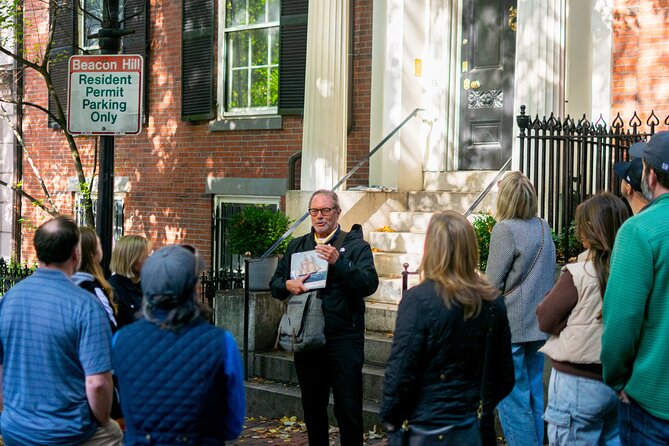
If you’ve ever walked through Beacon Hill and thought, This neighborhood feels important, you’re right. But this tour goes further than pretty streets. It connects Beacon Hill’s very visible signs of privilege and power to the other half of the story: Black Bostonians who fought for safety, education, and equal rights while slavery and the country’s politics pulled the future toward war.
The tour’s structure matters. It begins on Boston Common, at a major downtown landmark, and then moves you methodically into Beacon Hill. That flow helps you understand why the Underground Railroad wasn’t just a distant idea. In Boston, it was something people planned for and risked their lives to support—while local debates about race, schooling, and integration were playing out block by block.
Meet at the Soldiers and Sailors Monument and get oriented fast
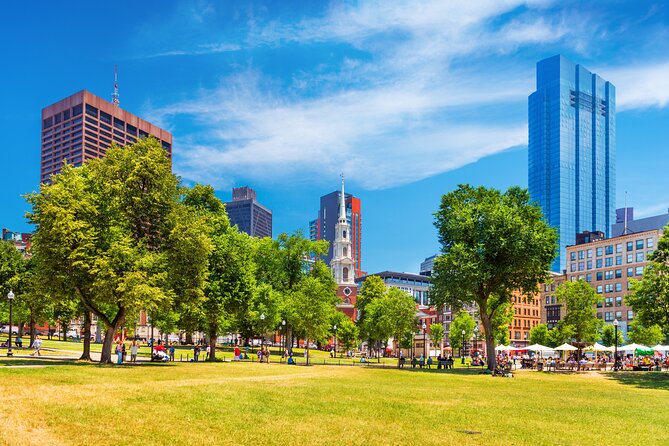
You’ll start at the Soldiers and Sailors Monument in the center of Boston Common. Meet your guide at the monument steps—right by the Boston Common Visitors Center area at 139 Tremont Street (02108). Look for the white granite column topped by a female figure holding a flag, with four bronze statues around the base.
This start point is practical. From here, you can orient yourself quickly, and you’re already in the exact zone where the tour’s story begins. Boston Common is broad enough that the group can gather and settle before you head into the tighter streets of Beacon Hill.
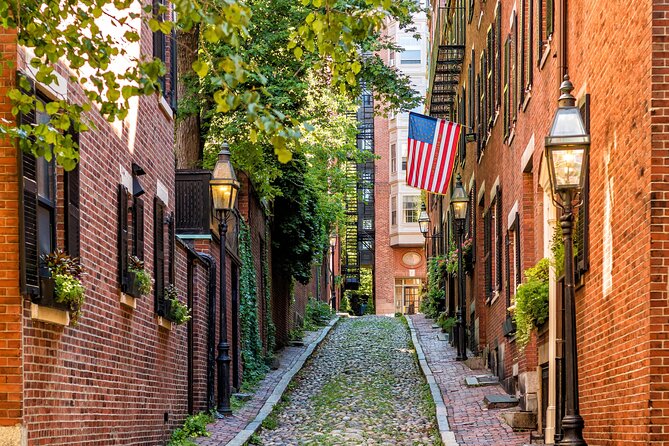
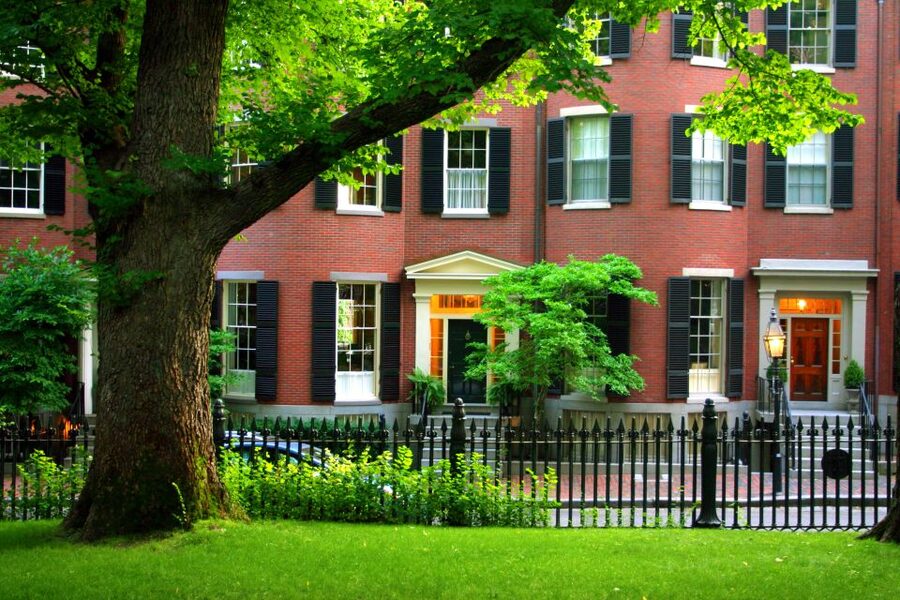
Gas lamps, bow fronts, brownstones. Keep walking
Boston Common moments that frame everything you’ll see next
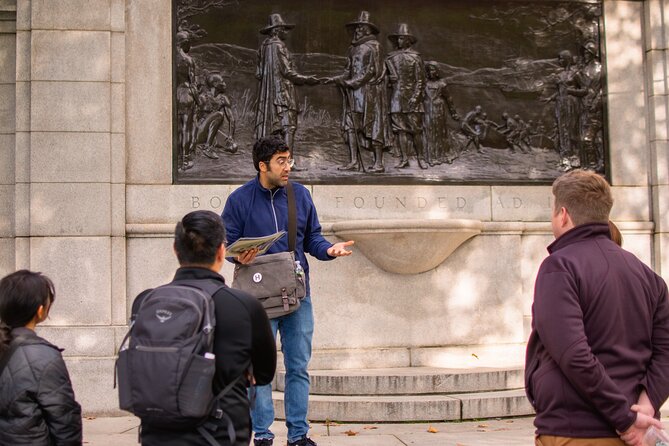
The first real stop is a guided introduction on Boston Common (about 10 minutes). This isn’t time wasted standing around. It sets the context for what you’re about to trace: roughly three decades of tensions that helped culminate in the American Civil War.
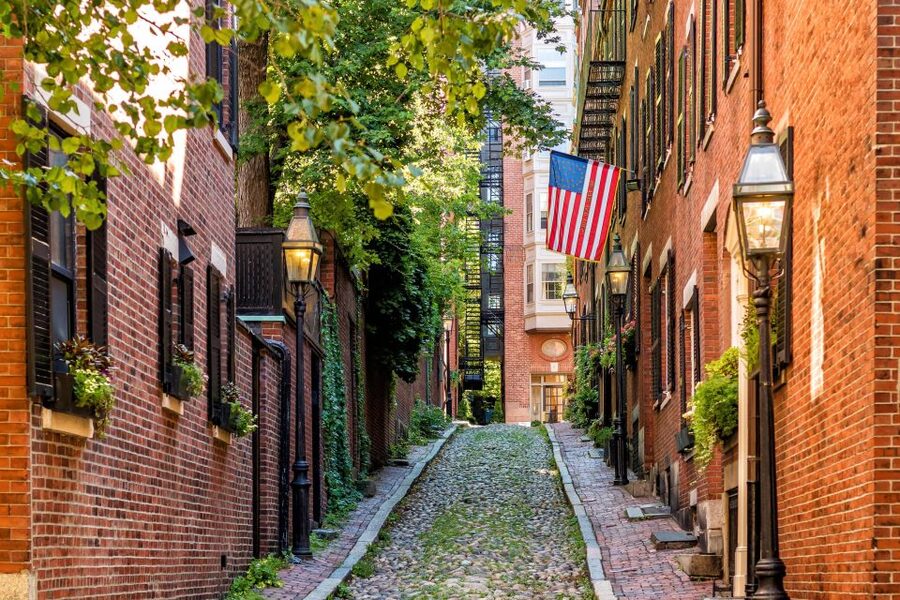
From there, the route starts tightening into Beacon Hill. You’ll move from the Common into Mount Vernon Street (guided time 5 minutes) and then to Acorn Street (guided time 5 minutes). These short stops keep your legs moving while your brain catches up—each one is a quick “turn your attention here” moment, pointing you toward the kinds of people who lived in this part of Boston and the choices they faced as slavery’s future became a national argument.
Then you’ll reach Louisburg Square (guided 10 minutes). This is where you’ll start feeling the contrast that the guide keeps returning to: wealth and status in one direction, the stakes of freedom struggles in another. The places are close together, but the lived realities were not.
Beacon Hill streets you walk through: from Louisburg Square to Charles Street
After the early orientation stops, the tour focuses more tightly on the institutions and homes that carried the story.
You’ll visit Phillips School (guided 15 minutes). This is one of the most important stops for understanding why education mattered so much in the fight for equality. The tour connects schooling to wider debates over integration and the basic question of who deserved access to opportunity—and who tried to block it.
Next comes a set of residential and neighborhood sites, including the John J Smith House and John Coburn House, plus Charles Street Meeting House (guided 15 minutes), and then Charles Street itself (guided 15 minutes). These stops work best if you pay attention to the guide’s storytelling style: the buildings aren’t just backdrops; they’re used as clues for how a community organized itself around safety, moral conviction, and political pressure.
At Lewis & Harriet Hayden House (guided 15 minutes), you’ll continue linking individual lives to the larger lead-up to the Civil War. And as you walk, you’ll be hearing about the overlap that many people miss: Black and white residents grappling with slavery and race in everyday ways, not only through speeches and newspapers.
You’ll also pass by Otis House Museum and Old West Church. Since these are pass-by moments, treat them like visual punctuation in the route—places you’ll recognize later and be able to connect to the theme of the day.
Schools and meeting houses: where education and equality were contested
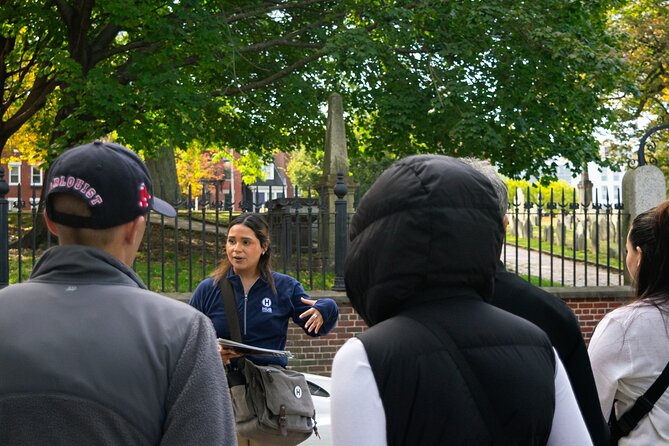
A big part of why this tour feels satisfying is how it uses specific sites to explain pressure points.
You’ll spend guided time at Charles Street Meeting House (again, about 15 minutes), and then later you’ll return to the education theme with stops such as Abiel Smith School (guided, included on the route). If you want to understand anti-slavery activism without it staying abstract, the tour’s approach helps: it ties political momentum to local institutions where people argued about race and access.
Another guided stop that supports this theme is Smith Court Residences (guided). You’ll also hear about Smith Court Residences in a way that makes you notice something: even within one neighborhood, the “rules” that applied to people were sharply different. That’s a key idea in understanding why the pre-war period was so explosive. It wasn’t just national. It was personal.
African Meeting House break time that makes the story real
At African Meeting House, you get a built-in break plus guided time (about 20 minutes). This stop is a major anchor because it gives you a moment to slow down and absorb what you’ve been hearing while still keeping the tour moving.
It’s also where the guide’s focus often lands: the intersection of faith community, identity, and resistance in a city where freedom seekers had to navigate both hope and hostility. The African Meeting House is essential because it’s not only about the past in general. It’s a named place tied to Black civic life—making your Underground Railroad walk feel grounded in a real community, not just a footnote.
Three centuries deep, more Boston history
- Boston: Freedom Trail History Small Group Walking Tour★ 5.0 · 6,450 reviews
- Boston Food & History: Pizza, North End & Freedom Trail★ 5.0 · 1,772 reviews
- Boston: Freedom Trail History Small Group Walking Tour★ 4.9 · 1,590 reviews
- City Cruises Boston Historic Sightseeing Harbor Cruise★ 4.5 · 1,388 reviews
- Boston’s North End Food Tour: Italian Flavors & Heritage Walk★ 5.0 · 1,322 reviews
Underground Railroad home sites: what you’ll actually look for
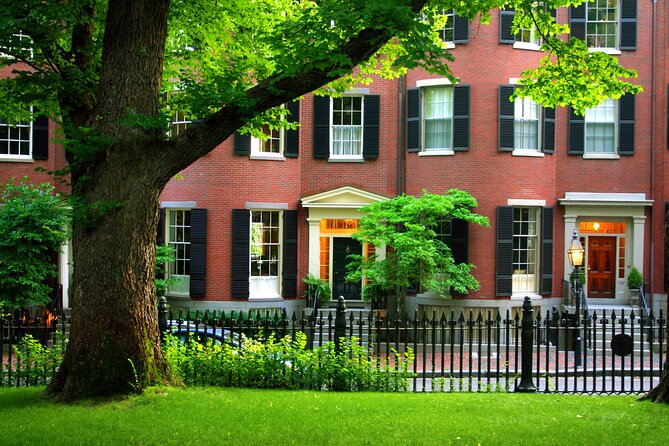
The tour includes a walk tied to the Black Heritage Trail (10 landmarks). Along the way, you’ll see homes on the Underground Railroad. The key is how the guide frames them: not as movie-set secrets, but as places connected to real decisions, risk, and coordination.
That said, if you’re the type who wants very specific Underground Railroad mechanics—like routes, coded signals, and detailed logistics—you might want a bit more depth than you’ll get in a 150-minute walk. One of the reviews I saw noted that they would have liked more Underground Railroad detail. So treat this as strong history plus solid context, rather than a deep technical manual.
You’ll also move past or by several major Boston landmarks in the broader neighborhood story, including Charles Sumner House (guided 15 minutes) and George Middleton House (guided 15 minutes). These add perspective: the Underground Railroad story doesn’t float alone. It sits beside politics and public debate, including the kind of anti-slavery leadership that pushed the nation toward open conflict.
Politics and public space: from Park Street Church to the Massachusetts State House
After the cluster of schools and meeting-house themes, the route starts bringing the story back to the big stage.
You’ll pass Park Street Church on the way (scenic views). Then you’ll pass the Massachusetts State House (pass by, about 15 minutes). This matters because the lead-up to war wasn’t just about what happened quietly in neighborhoods. It was also about how decisions were debated, delayed, or pushed forward in public institutions.
When you arrive at Charles Sumner House (guided 15 minutes), the tour helps connect those public debates to the human stakes behind them. Sumner’s presence in the route underscores how anti-slavery arguments became political power, not just moral talk.
The finish at the 54th Regiment Memorial: why this ending works
The loop concludes on Boston Common in front of the Robert Gould Shaw and the 54th Massachusetts Regiment Memorial. You’ll have a guided visit here of about 20 minutes.
This ending isn’t random. It’s the story’s “so what”: Boston’s anti-slavery tensions didn’t stay local forever. They fed into national change, and the 54th Massachusetts Regiment became a symbol that helped shape how people understood Black military service and citizenship.
Standing there right after you’ve walked the earlier Beacon Hill sites makes the timeline feel tight. You’re not just learning dates. You’re seeing how the community’s earlier choices and conflicts helped set the stage for the national turning point.
Price and value for a 150-minute history walk
The tour costs $35 per person and runs about 150 minutes (roughly 2.5 hours). For Beacon Hill walking with a trained local guide, that price can feel reasonable—especially because the tour includes the Black Heritage Trail (10 landmarks) and guided time at major stops like the African Meeting House and the Shaw 54th Memorial.
What you’re paying for isn’t only access to places; it’s interpretation. The guide’s job is to connect street-level details to the big political arc of the Civil War era, while also pointing out stories people often miss. The high ratings (4.9 with 38 reviews) make sense here: small-group format plus an expert narrative tends to stick better than a quick “see-and-go” walk.
Who should book this Beacon Hill Underground Railroad tour
This is a strong match if you want:
- A small-group guided walk focused on anti-slavery history and overlooked stories
- An easy route with around 2.0 miles (3.2 km) total walking
- Time at African Meeting House and a guided finish at the 54th Memorial
It’s not a good match if:
- You need wheelchair accessibility or easier sidewalks, because the route includes steep hills and non-ADA-compliant sidewalks
- You have limited mobility or low fitness
- You’re traveling with children under 6 years
- You’re planning to carry luggage or large bags (not allowed), or record with video (not allowed)
Should you book this tour?
Yes, if you want a focused Beacon Hill experience that connects the Underground Railroad and the Civil War lead-up in a way that’s grounded in specific places. I like that the route starts on Boston Common, threads through Beacon Hill’s institutions and homes, and ends with a guided memorial that gives the story a clear closing point.
Book it especially if you’ll enjoy asking questions. Guides like Will and Dana show up repeatedly in the experience stories I saw, and the common thread is that they handle questions thoughtfully and keep the pacing workable for a small group.
FAQ
What is the price of the Boston Underground Railroad History Tour of Beacon Hill?
It costs $35 per person.
How long is the tour?
The duration is 150 minutes (about 2.5 hours), and it runs outdoors with times that may vary but won’t be more than 3 hours.
Where do I meet the guide?
Meet at the Soldiers and Sailors Monument on Boston Common in the center of Boston. It’s near the Boston Common Visitors Center at 139 Tremont Street (02108). Look for a white granite column topped by a female figure holding a flag, with four bronze statues around the base.
Where does the tour end?
The tour ends in front of the Robert Gould Shaw and the 54th Massachusetts Regiment Memorial on Boston Common.
Is the tour outdoors and does it run in bad weather?
Yes. The tour operates rain or shine and is entirely outdoors.
How much walking is involved?
The walking route is about 2.0 miles (3.2 km).
Are museums included in the ticket price?
No. Admission inside museums is not included.
Is video recording allowed during the tour?
No. Video recording is not allowed.
Is the tour suitable for children?
No, it’s not suitable for children under 6 years old.
Is it accessible for wheelchairs or people with mobility impairments?
No. The tour is not accessible due to steep hills and non-ADA-compliant sidewalks, and it isn’t suitable for wheelchair users or people with mobility impairments.
If you tell me your travel dates and whether anyone in your group has mobility limits, I can help you decide if this fits well—or suggest a backup plan for a more level route.
Boston History, Volume Two



More of the Boston Ledger



Beacon Hill and Back Bay, Continued



New on the Boston Docket
- Boston to Newport Mansions Private Day Trip
★ 5.0 · 3 reviews - Boston Massachusetts Private Photography Tour
★ 5.0 · 3 reviews - Homemade Dumplings 101 in Boston
★ 3.5 · 3 reviews - Self-Guided Audio Tour of Boston North End
★ 4.5 · 3 reviews - Old Boston: Beacon Hill & Back Bay Walking Tour in French
★ 4.7 · 3 reviews
Beacon Hill & Back Bay Walks, compared.
 ★ 4.5Downtown Freedom Trail, Beacon Hill & Back Bay Walking TourFrom $65473 reviews
 ★ 5.02-Hour Beacon Hill True Crime Expert Guided TourFrom $35182 reviews
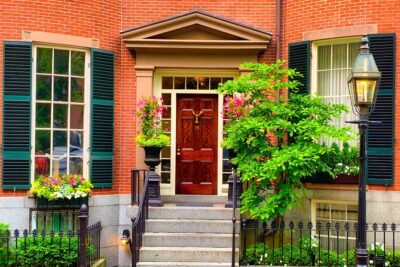 ★ 5.0Beacon Hill Boston History + Photo Walking Tour (SMALL Group)From $45163 reviews
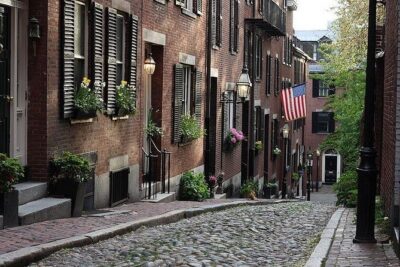 ★ 5.0Underground Railroad History Tour of Beacon HillFrom $35141 reviews
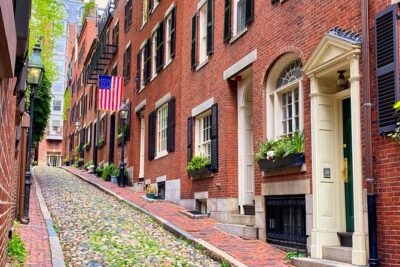 ★ 5.0Beacon Hill + Back Bay History + Photo Walking Tour(SMALL Group)From $5560 reviews
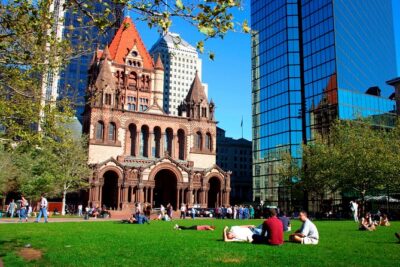 ★ 5.0Votes for Women History Tour of Back BayFrom $3549 reviews
 ★ 4.5Guided Walking Tour of Copley Square to Downtown Boston Freedom TrailFrom $6546 reviews
 ★ 5.0Back Bay Chocolate and Art Galleries TourFrom $6529 reviews
Browse the lists this tour appears in