
REVIEW · FREEDOM TRAIL & REVOLUTION WALKS
Guided Walking Tour of Copley Square to Downtown Boston Freedom Trail
Boston’s story is easiest on foot. This guided walking tour strings together Back Bay architecture and major Freedom Trail stops with an experienced guide at a comfortable pace. You start at the Boston Public Library, then work your way from historic squares and churches into the downtown sites tied to the American Revolution.
I especially liked the small group size (max 20) because it makes questions feel normal, not rushed. I also liked how the route mixes big landmarks (Trinity Church, Park Street Church, Granary Burial Ground) with “you’ll want a photo” moments like Acorn Street and the view-ready spots around Beacon Hill and the Public Garden.
One thing to consider: a walking tour lives and dies by pacing. If you’re the type who needs extra photo time at every stop, build that into your expectations and keep your camera ready during quick outdoor moments.
In This Review
- Key Highlights Worth Planning For
- Where the Tour Starts: Boston Public Library (Back Bay)
- Copley Square to Trinity Church: Marathon Line Meets Old Stone
- Boston Public Garden Edge: Swan Boats and a Tiny Suspension Bridge
- Beacon Hill Stop: Acorn Street and the Photo You Came For
- Joining the Freedom Trail at the Massachusetts State House
- Park Street Church to Granary Burial Ground: Brimstone Corner and Two Grave Names
- King’s Chapel and the Old City Hall Area: Power Changes on the Street
- Ending at Faneuil Hall and Quincy Market: Wrap Up With Real Boston
- Price and Value: What $65 Gets You in Two Hours
- Who This Tour Suits Best (and Who Might Want Something Else)
- One Last Practical Note: Listen for the Guide’s Storytelling
- Should You Book This Freedom Trail Walking Tour?
- FAQ
- Where does the tour start, and what time is it?
- Where does the tour end?
- How long is the walking tour?
- How much does it cost?
- Is the tour offered in English?
- Do I get a mobile ticket?
- How big is the group?
- Is it okay if the weather is bad?
- Is this tour good for families?
- What’s included in the tour?
Key Highlights Worth Planning For
- Start at Boston Public Library in Back Bay, a smart launch point near transit and parking
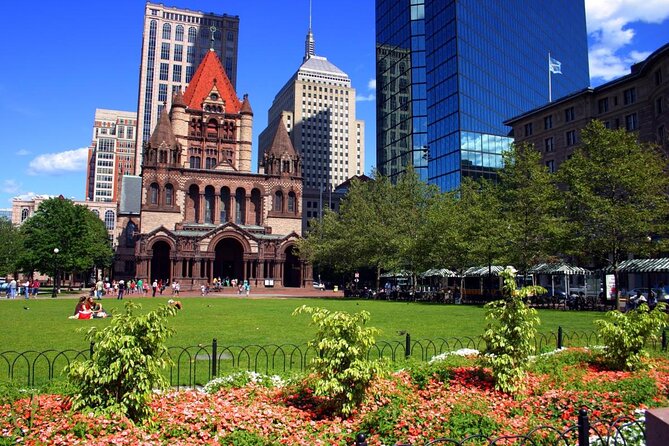
- Copley Square to Trinity Church for architecture, the marathon finish line, and skyline views
- Public Garden edge sights: swan boats and the world’s smallest suspension bridge
- Beacon Hill photo stop at Acorn Street plus nearby streets that feel old-Boston
- Freedom Trail follow-through starting at the Massachusetts State House and running down to downtown
- Finish at Faneuil Hall and Quincy Market where you can grab food right after the walking
Where the Tour Starts: Boston Public Library (Back Bay)
The meeting point is at 230 Dartmouth St, at the Boston Public Library area near good public transport and parking. If you can, I’d arrive a few minutes early. The library’s exterior is gorgeous, and you’ll feel less rushed before the group sets off.
This is a 2-hour guided walk, so the start matters. You want to be standing with your group, wearing shoes that handle pavement, and ready to listen. Once you’re moving, the guide keeps the story flowing site to site without turning the walk into a lecture hall.
And because it’s a small group, you don’t get lost in the crowd. You hear the guide clearly, and that makes the stops more meaningful rather than just “passing by.”
Copley Square to Trinity Church: Marathon Line Meets Old Stone
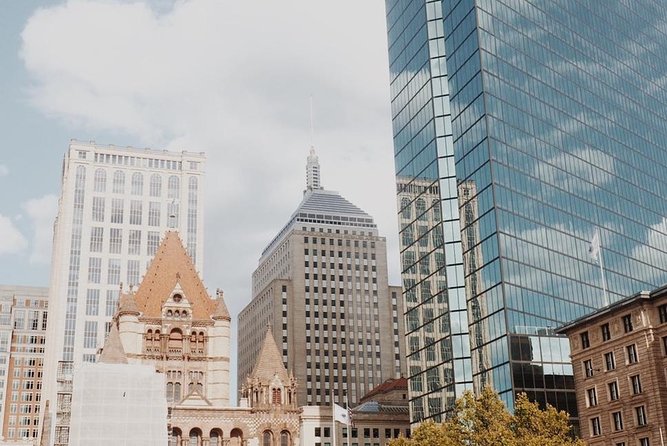
From the library, the tour begins in Copley Square, where you get an immediate mix of Boston styles. You’ll cross the area tied to the Boston Marathon finish line, which is a neat way to connect modern city life to the older streets around it.
Then you shift into architecture. Trinity Church is a standout stop on the walk, with its Romanesque lines catching the eye from more than one angle. This is the kind of detail that’s easy to miss on your own, but a guide can point out what you’re actually looking at.
You’ll also get a quick skyline moment near John Hancock Tower—one of those “look up” spots where you can catch reflections and city views without needing to go anywhere else. In two hours, these quick visual wins keep the walk fun, not just educational.
Practical tip: keep your phone/camera accessible. Several of the best moments are brief sightlines, not long photo sessions.
The red brick line keeps going. More Trail walks here
Boston Public Garden Edge: Swan Boats and a Tiny Suspension Bridge
Next, the tour heads toward the edge of the Boston Public Garden. Even if you’re not staying for the boats, seeing the swan boat area is a classic Boston snapshot. It’s also a good reset after city-square architecture—more open space, more light, and a calmer feel.
Then comes one of those delightfully odd Boston details: the world’s smallest suspension bridge. It’s small enough that you’d probably walk past it without a guide’s cue. On the tour, it turns into a fun mini-stop that breaks up the longer Freedom Trail sections later.
This portion is also useful if you want your walking tour to feel varied. You’re not just moving from one historical plaque to the next—you’re getting small “only in Boston” scenes.
Why it adds value: these shorter stops keep energy up for a full 2-hour loop, especially if you’re walking with kids.
Beacon Hill Stop: Acorn Street and the Photo You Came For
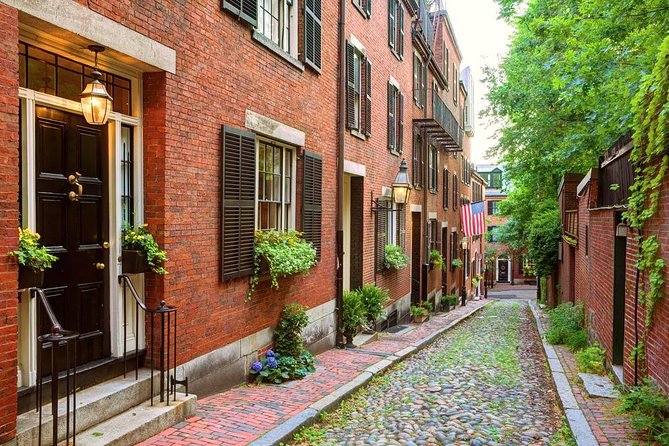
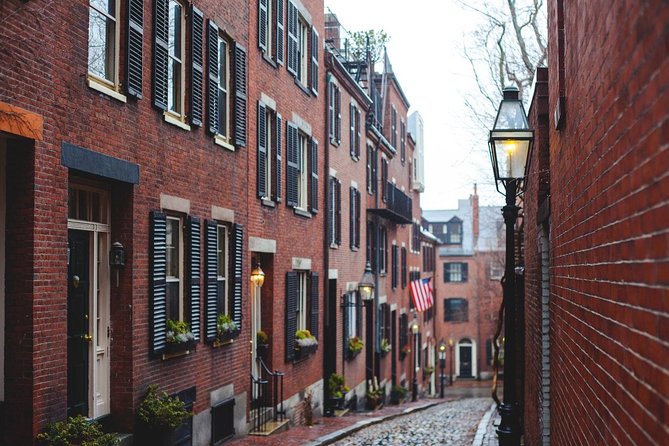
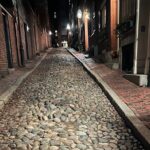
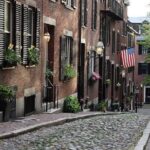
After the Garden area, you’ll reach Acorn Street in Beacon Hill. This is the stop most people recognize, and it earns its reputation. The street is narrow and charming, and it’s perfect for a must-take photo.
The tour also tends to weave in nearby Beacon Hill streets so it doesn’t feel like you stepped into a single photo spot and then immediately rushed away. If you like Old Boston streetscapes—brick, stone, tight corners—this is where the walk starts to feel like exploring, not just sightseeing.
A heads-up: this is still a guided walk with time limits. If photos are your main goal, go into the stop with a clear plan—grab your key angles, then stay engaged for the guide’s quick context.
Joining the Freedom Trail at the Massachusetts State House
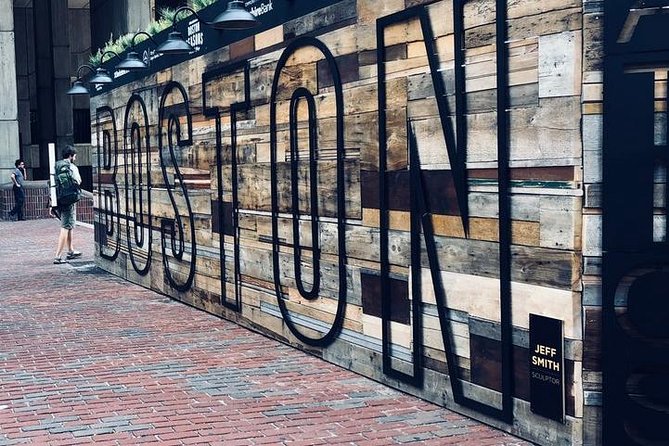
Now you get the big theme of the day: the Freedom Trail. You join the red line at the Massachusetts State House, which is a smart starting point because it sets the tone for everything that follows.
This segment is where the tour shifts from “pretty streets and buildings” into “how Boston became Boston.” Expect explanations of Revolutionary-era events tied to the sites you’re walking past.
The Freedom Trail is often treated like a checklist. With a guide, it becomes a storyline you can track with your feet—how ideas, conflict, and power played out across this specific patch of downtown.
What you’ll gain: you’ll stop seeing these places as isolated landmarks and start connecting them as a timeline.
Park Street Church to Granary Burial Ground: Brimstone Corner and Two Grave Names
One of the most memorable historical labels on the route is Park Street Church, nicknamed Brimstone Corner. The tour uses the name to explain what made the area significant and why certain spots became associated with public life and persuasion in that era.
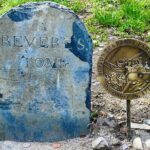
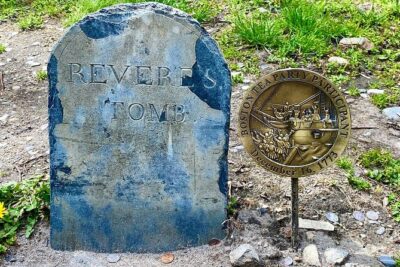
Then you move to Granary Burial Ground, one of the stops that makes the Revolution feel personal. You’ll see the graves of Paul Revere and John Hancock. Even if you’ve heard their names before, seeing them in the context of the walk turns the story from schoolbook familiarity into something more grounded.
This is also a great stretch for families. Kids often perk up at the “who is buried here?” moments, and adults tend to enjoy how the guide connects the names to the surrounding streets.
Timing note: outdoor cemetery areas are still part of the walking rhythm, so dress for standing and listening even if it’s not a long stop.
Gas lamps, bow fronts, brownstones. Keep walking
- Downtown Freedom Trail, Beacon Hill & Back Bay Walking Tour★ 4.5 · 473 reviews
- 2-Hour Beacon Hill True Crime Expert Guided Tour★ 5.0 · 182 reviews
- Beacon Hill Boston History + Photo Walking Tour (SMALL Group)★ 5.0 · 163 reviews
- Boston: Underground Railroad History Tour of Beacon Hill★ 5.0 · 141 reviews
- Beacon Hill + Back Bay History + Photo Walking Tour(SMALL Group)★ 5.0 · 60 reviews
King’s Chapel and the Old City Hall Area: Power Changes on the Street
Next is King’s Chapel, noted as an 18th-century building. It’s one of those stops that helps you feel the shift from early colonial life into the more conflict-driven Revolutionary period.
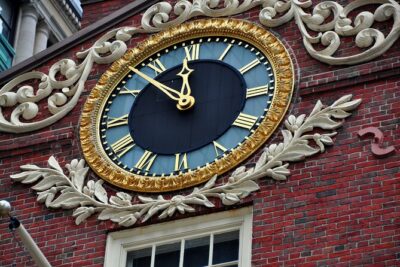
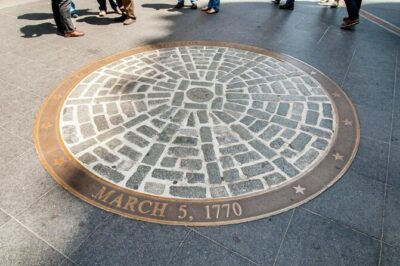
From there, the tour continues through downtown civic landmarks: the Old and New City Halls, the Old State House, and finally the Boston Massacre Site. This cluster matters because it shows you how governance and public space sat right alongside the tension of the time.
The Boston Massacre Site stop is especially important. The guide’s job here is to explain what you’re seeing and why the location carries weight beyond a marker on a wall.
Why this section feels worthwhile: you’re walking through the city’s decision-making spaces, not just memorials. It gives you a clearer sense of where history happened in real geography.
Ending at Faneuil Hall and Quincy Market: Wrap Up With Real Boston

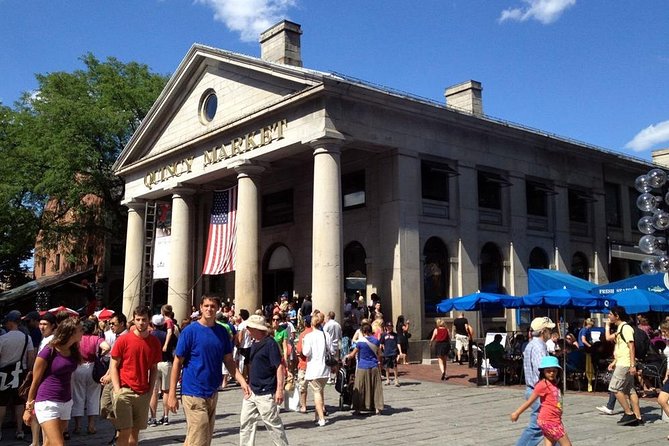
The tour ends at Faneuil Hall Marketplace. That’s a strong finish because you leave downtown history and land in a place designed for the next step: food, browsing, and quick attraction hopping.
If you’re planning the rest of your afternoon, this helps. You don’t need to change neighborhoods or think too hard about what comes next—you’re already in the right zone for casual meals and nearby sights.
It’s also a good moment to compare your mental map before and after the walk. After the Freedom Trail sequence down into downtown, the area around Faneuil Hall feels less like random streets and more like the center of the story you just followed.
Price and Value: What $65 Gets You in Two Hours
At $65 per person for about 2 hours, you’re paying for three things: a guide to connect the dots, a curated route that hits major sites, and a walking pace that keeps the day moving.
If you tried to do this route alone, you could absolutely read signs and piece it together. But you’d likely miss the quick explanations that make the buildings and names click. In a tour like this, the guide is the difference between seeing “places” and understanding “the why.”
The value improves if you care about context and if you want a set path that keeps you from second-guessing where to go next. It also helps that the group stays small (max 20), so you’re not stuck competing with a large crowd for the guide’s attention.
Who This Tour Suits Best (and Who Might Want Something Else)
This is a strong choice if you’re new to Boston and want a fast, well-rounded way to orient yourself. It’s also a great option for families, including kids who are old enough to enjoy short outdoor stops and name-based history moments.
You’ll likely enjoy it most if you like:
- architecture details as much as big historical events
- short photo stops paired with explanations
- an easy-to-follow route with a guide pacing the day
A possible mismatch: if you’re the type who wants long building time inside multiple stops, a 2-hour walking format may feel tight. This tour is about moving through key areas and learning the story in motion.
One Last Practical Note: Listen for the Guide’s Storytelling
A recurring theme from the tour experience is how much the guide’s style can shape the day. Guides like Andrew and Alan are known for making history feel tied to the street you’re standing on, with fun facts and clear storytelling.
That matters because Boston can be visual overload—big buildings, busy sidewalks, and lots of landmarks. A good guide turns the noise into meaning, which is exactly what you want from a paid walking tour.
Should You Book This Freedom Trail Walking Tour?
Yes, if you want a tight, high-impact way to see Copley Square, Beacon Hill’s Acorn Street, and a solid portion of the Freedom Trail in one morning/afternoon-style block. It’s also worth booking if you want a guide-led route where the stops are connected into a real timeline instead of a random list.
I’d especially book it if:
- you’re bringing family and want a manageable 2-hour walk
- you want the Freedom Trail with real context, not just red-line navigation
- you like architecture and quick outdoor photo moments
Hold off if you’re expecting lots of inside time or very flexible photo stops at every corner. This walk works best when you’re ready to keep moving and let the guide set the rhythm.
FAQ
Where does the tour start, and what time is it?
It starts at 230 Dartmouth St, Boston, MA 02116 with a start time of 1:00 pm.
Where does the tour end?
It ends at Faneuil Hall Marketplace, Boston, MA 02109.
How long is the walking tour?
The tour lasts about 2 hours.
How much does it cost?
The price is $65.00 per person.
Is the tour offered in English?
Yes, it’s offered in English.
Do I get a mobile ticket?
Yes, the tour includes a mobile ticket.
How big is the group?
The tour has a maximum of 20 travelers.
Is it okay if the weather is bad?
It operates in all weather conditions, so dress appropriately for outdoor walking.
Is this tour good for families?
It’s described as ideal for families. Children must be accompanied by an adult.
What’s included in the tour?
You get a professional guide and a 2-hour walking tour covering Back Bay and downtown Freedom Trail stops to Faneuil Hall, including Victorian brownstones in Back Bay and historic Beacon Hill areas.
More of the Boston Ledger




Beacon Hill and Back Bay, Continued

Follow the Red Bricks Further
New on the Boston Docket
- Boston to Newport Mansions Private Day Trip
★ 5.0 · 3 reviews - Boston Massachusetts Private Photography Tour
★ 5.0 · 3 reviews - Homemade Dumplings 101 in Boston
★ 3.5 · 3 reviews - Self-Guided Audio Tour of Boston North End
★ 4.5 · 3 reviews - Old Boston: Beacon Hill & Back Bay Walking Tour in French
★ 4.7 · 3 reviews
Freedom Trail & Revolution Walks, compared.
 ★ 5.0Freedom Trail History Small Group Walking TourFrom $356,450 reviews
 ★ 4.5Boston Freedom Trail Walking Tour with Costumed GuideFrom $262,531 reviews
 ★ 4.5Boston Tea Party Ships and Museum AdmissionFrom $352,512 reviews
 ★ 5.0The Full Revolutionary Story Epic Small Group Boston Walking TourFrom $552,356 reviews
 ★ 4.8Boston Tea Party Ships and Museum Interactive TourFrom $351,926 reviews
 ★ 5.0Boston Food & History: Pizza, North End & Freedom TrailFrom $901,772 reviews
 ★ 4.9Boston’s Freedom Trail: A Revolutionary Walking TourFrom $311,748 reviews
★ 4.9Freedom Trail History Small Group Walking TourFrom $351,590 reviews
★ 4.9Boston’s Freedom Trail: A Revolutionary Walking TourFrom $311,748 reviews
★ 4.9Freedom Trail History Small Group Walking TourFrom $351,590 reviews
Browse the lists this tour appears in