
REVIEW · CHINATOWN & SOUTH END FOOD TOURS
Homemade Dumplings 101 in Boston
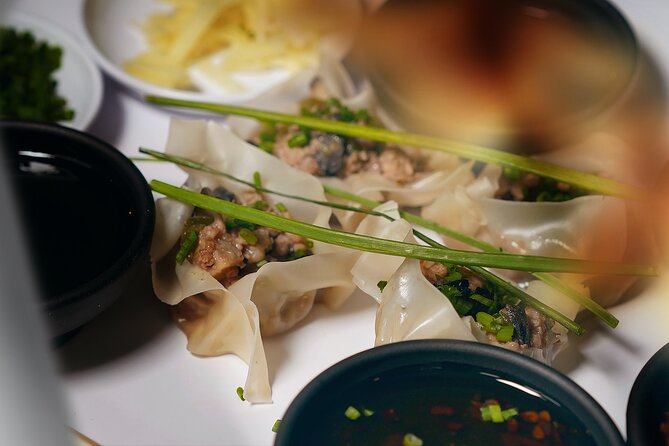
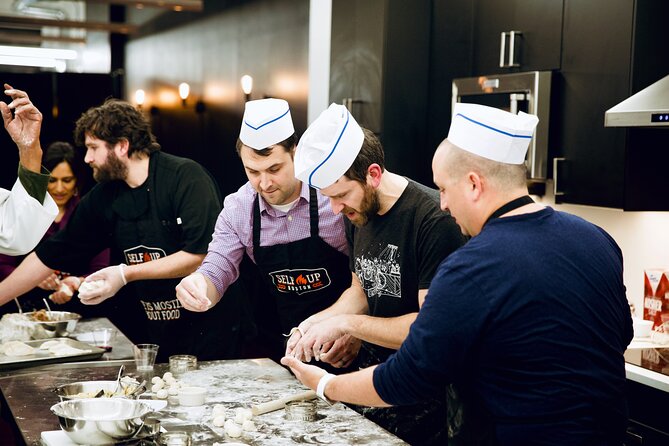
Dumplings you make beat takeout. This hands-on Homemade Dumplings 101 class turns downtown Boston into a working Chinese-kitchen lesson, led by Chef Gary, a Cape Cod native with 15+ years running four restaurants in the North End. You’ll learn traditional techniques with Chinese ingredients and tools, then eat what you made.
I especially like the range: dim sum-style dumplings (pork and veggies) plus pot stickers and jiaozi for Chinese New Year luck. It’s also a small-group setup (max 20), so you’re not just watching. The main thing to consider is that it’s 3 hours, and it’s non-refundable and can be canceled if weather or the minimum number of travelers doesn’t happen.
In This Review
- Key Things To Know Before You Go
- Downtown Boston Dumpling Class: Timing, Size, and Getting There
- Meet Chef Gary and Learn the Dim Sum Mindset
- Dim Sum-Style Dumplings: Pork and Veggies, Steamed or Pan-Fried
- Pot Stickers: Pick Your Filling and Master Pan-Fried Texture
- Jiaozi: The Dumpling Tied to Chinese New Year Luck
- What You’ll Eat and Why the Recipe Take-Home Matters
- Price and Value: Is $120 Worth It?
- Who This Dumpling Class Fits Best (and Who Should Skip It)
- Should You Book Homemade Dumplings 101 in Boston?
- FAQ
- How long is Homemade Dumplings 101 in Boston?
- How much does it cost?
- Where does the class meet?
- What language is the tour offered in?
- What dumplings will I make?
- Is there a limit on group size?
- Is the ticket mobile?
- What happens if the weather is poor?
- Can I get a refund if I cancel?
Key Things To Know Before You Go
- Three dumpling types, not one: dim sum-style, pot stickers, and jiaozi
- Two cooking methods: steamed and pan-fried, so you learn more than one texture
- Chef Gary’s hands-on dim sum background: North End restaurant experience and real instruction
- You can leave with a home recipe: at least one participant specifically praised getting recipes to make again
- Small class size: capped at 20 travelers for a more personal feel
- Weather matters: plan around the possibility of a weather-related reschedule
Downtown Boston Dumpling Class: Timing, Size, and Getting There
This experience is built for one clear goal: learn how to make dumplings from scratch, then enjoy them. It runs about 3 hours and starts at 19 Kingston St, Boston, MA 02111, with everything ending back at the same meeting point. Since it’s downtown and near public transportation, you can skip complicated parking plans and arrive without stress.
The group size is capped at 20 travelers, which matters more than you’d think. Dumpling dough, fillings, and wrapping take coordination. A smaller group makes it more likely you’ll get quick corrections and helpful guidance while your dumpling rhythm is still forming. You’re also getting a mobile ticket and an English-led class, which makes the whole thing simpler to manage from the moment you book.
One practical note: because it’s non-refundable and tied to good weather and a minimum number of travelers, this is best as a “lock it in” plan rather than something you’re treating like a flexible maybe.
Meet Chef Gary and Learn the Dim Sum Mindset
Chef Gary is the anchor of the night. The class is run by him, and the details provided are specific: he’s a Cape Cod native with over 15 years of chef experience and has run four restaurants in Boston’s North End. That matters because dim sum is not just a recipe. It’s technique: how thick the wrapper should feel, how to prevent leaks, and how to time cooking so the dumplings come out right.
From a learner’s perspective, I like this kind of instruction because it teaches you how to think. You’re not only chasing taste—you’re building repeatable skills:
- portioning filling so you don’t overstuff
- learning how to seal (so you don’t lose the filling during cooking)
- understanding when dumplings are ready by what they look and feel like
And because this is “from scratch,” you’re not just assembling. You’re learning the process step-by-step with traditional Chinese ingredients and utensils, which helps you recreate results later without needing a mystery shortcut.
Dumplings one day, the South End the next
Dim Sum-Style Dumplings: Pork and Veggies, Steamed or Pan-Fried
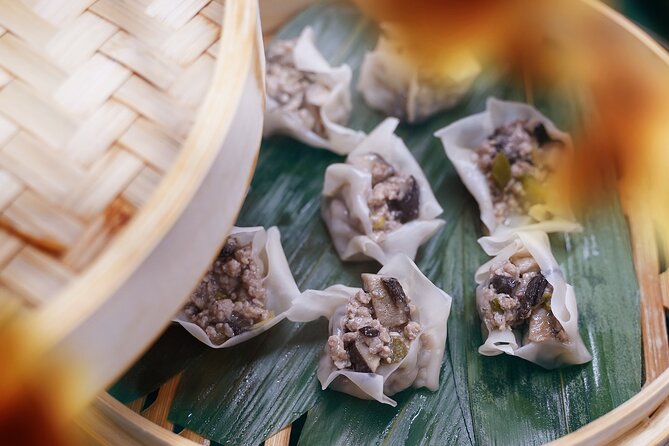
The class starts you with dim sum-style dumplings filled with savory pork and tender veggies. This is a great choice for two reasons. First, it’s a classic flavor profile—meaty, savory, and not too weird for first-timers. Second, it teaches you how one filling behaves across different cooking methods.
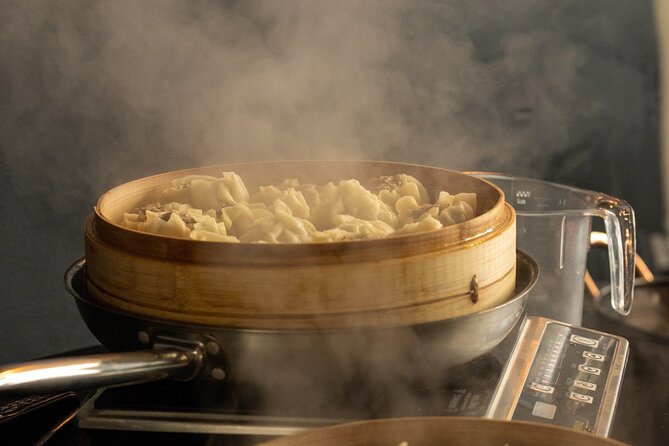
You’re told you can make them steamed or pan-fried. Even if you only do one method in your session, the class structure is designed around both. That’s valuable because steamed dumplings tend to be soft and gentle, while pan-fried dumplings bring crisp edges and a slightly different mouthfeel. Learning both (or at least seeing how each affects the outcome) gives you more control when you cook at home.
Watch for the two biggest learning moments with dumplings like these:
- Wrapper handling: if it dries out, it’s harder to seal
- Filling balance: too much stuffing can make sealing frustrating and can cause leakage
If you enjoy food that’s savory and comforting, this part is usually the one you’ll remember when you cook again later.
Pot Stickers: Pick Your Filling and Master Pan-Fried Texture
Next up are pot stickers, and the big perk here is choice. You can stuff them with mushrooms and chicken, shrimp, or pork, then pan-fry them. That “pick your filling” design helps because you get to match the dish to your taste.
From a practical standpoint, pot stickers are where the class becomes most useful for home cooking. Pan-frying teaches you timing and surface texture. You’re working toward a dumpling that’s cooked through and also has those browned edges people crave.
Each filling also changes the vibe:
- Mushrooms and chicken feel earthy and savory
- Shrimp brings a cleaner, lighter seafood note
- Pork keeps the dumpling rich and classic
Even if you’re not sure which to pick, it’s good to know you have options. For many people, dumplings fail at home because the first time they try it, they stick to one filling and one technique. Here, you get a more “real-world” approach—you learn how different fillings behave under the same pan-fried method.
Jiaozi: The Dumpling Tied to Chinese New Year Luck
The third dumpling type is jiaozi, filled with chicken and vegetables. Jiaozi is described as a Chinese New Year specialty and considered very lucky, and that symbolism is more than trivia. It helps explain why the wrapping and sealing skills are taught carefully—because the dumpling is part of a celebration where presentation and consistency matter.
Jiaozi can feel a little more structured than some casual dumplings. You’ll want to focus on the sealing process and the wrapper-to-filling ratio. When you do it right, the dumplings look neat and cook evenly. When you do it wrong, you usually end up with uneven doneness or leaks, which is frustrating when you’re trying to learn.
If you’re coming to this class for something beyond the usual “make dumplings” basics, jiaozi is the one that adds cultural context. You’re learning a technique that’s tied to a specific season and tradition, not just cooking for cooking’s sake.
What You’ll Eat and Why the Recipe Take-Home Matters
You’ll make multiple batches and you’re expected to eat the dumplings you handcrafted. The whole experience is social in feel, designed so you’re not just working and then leaving hungry. The dumpling types are varied enough that you can compare textures and flavors in real time—steamed softness vs pan-fried crunch, plus different fillings that change the overall taste.
One small detail, but a big deal for value: at least one participant specifically praised getting the recipe to make at home. That’s exactly what turns a one-night class into lasting skill. Otherwise, you cook once, enjoy it, and then months pass before you remember the steps.
If the recipe is included, you’re leaving with something you can actually use. And since you’re learning with traditional ingredients and utensils, you’re less likely to hit the usual wall where home versions taste wrong because you used substitutes you never knew were the difference.
- Boston Duck Boat Sightseeing City Tour with Cruise Along Charles River★ 4.5 · 9,378 reviews
- Boston: Freedom Trail History Small Group Walking Tour★ 5.0 · 6,450 reviews
- Boston Hop-On Hop-Off Trolley Tour with 13 Stops★ 4.5 · 5,576 reviews
- Boston Duck Tour: The Original and World-Famous★ 4.6 · 3,935 reviews
- Harvard University Campus Guided Walking Tour★ 4.5 · 3,632 reviews
Price and Value: Is $120 Worth It?
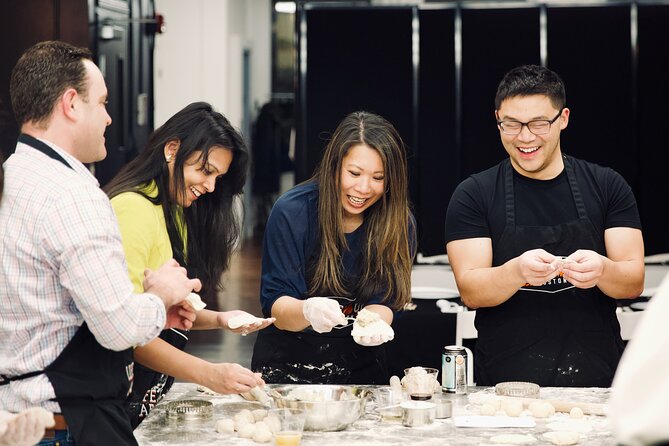
At $120 per person for about 3 hours, this isn’t a bargain bargain. But it can be good value if you want hands-on instruction and a skill you can repeat.
Here’s the value breakdown that matters:
- Instruction from a real chef with deep local restaurant experience
- Multiple dumpling types: not one kit, not one style
- Real cooking methods: steamed and pan-fried techniques
- Food included: you’re eating what you make
- A home recipe benefit (based on participant feedback)
If your goal is just to eat dumplings, you can do that cheaper in Boston. But if your goal is to learn a system—how to wrap, how to seal, how to cook so the texture matches what you expect—this price starts to make sense. You’re paying for time, technique, and guided practice, not only ingredients.
Also, the small group size helps justify the cost. In a bigger class, you might spend the time guessing and hoping you’re doing it right. Here, the cap at 20 is meant to keep it teachable.
Who This Dumpling Class Fits Best (and Who Should Skip It)
This is a strong fit if you:
- want a fun, social food activity in downtown Boston
- enjoy dumplings and want to learn more than one style
- like taking cooking skills home with you
- can commit to a set 3-hour block
It may be less ideal if you:
- want a casual drop-in with no commitment to learning technique
- don’t like weather-dependent plans (the experience can be canceled due to poor weather)
- need a fully flexible schedule, since changes aren’t allowed and refunds aren’t offered
If you’re traveling with a friend or small group, it’s also a great shared activity. Everyone gets hands-on, and the results are edible right away.
Should You Book Homemade Dumplings 101 in Boston?
I’d book it if you’re the type of traveler who actually wants to bring something home besides photos. The mix of dim sum-style dumplings, pot stickers with filling choices, and jiaozi tied to Chinese New Year luck makes this more than a single-recipe workshop. Chef Gary’s restaurant background also suggests you’ll get real guidance, not just a quick demo.
Skip it if you’re only chasing cheap food or you’re unsure you’ll enjoy hands-on kitchen work. And because it’s non-refundable and depends on weather and minimum travelers, treat it like a firm plan, not a last-minute gamble.
FAQ
How long is Homemade Dumplings 101 in Boston?
It lasts about 3 hours.
How much does it cost?
It’s $120.00 per person.
Where does the class meet?
You start at 19 Kingston St, Boston, MA 02111, USA, and the activity ends back at the meeting point.
What language is the tour offered in?
The experience is offered in English.
What dumplings will I make?
You’ll make dim sum-style dumplings (pork and veggies, steamed or pan-fried), pot stickers (mushrooms and chicken, shrimp, or pork, pan-fried), and jiaozi (chicken and vegetables).
Is there a limit on group size?
Yes. The maximum group size is 20 travelers.
Is the ticket mobile?
Yes. The experience uses a mobile ticket.
What happens if the weather is poor?
The experience requires good weather. If it’s canceled due to poor weather, you’ll be offered a different date or a full refund.
Can I get a refund if I cancel?
No. The experience is non-refundable and cannot be changed for any reason.
More of the Boston Ledger




Chinatown and the South End, Plate by Plate
New on the Boston Docket
- Boston to Newport Mansions Private Day Trip
★ 5.0 · 3 reviews - Boston Massachusetts Private Photography Tour
★ 5.0 · 3 reviews - Homemade Dumplings 101 in Boston
★ 3.5 · 3 reviews - Self-Guided Audio Tour of Boston North End
★ 4.5 · 3 reviews - Old Boston: Beacon Hill & Back Bay Walking Tour in French
★ 4.7 · 3 reviews
Chinatown & South End Food Tours, compared.
 ★ 5.0Sweet & Savory South End: Explore Boston’s Best Food NeighborhoodFrom $13572 reviews
 ★ 5.0Local Gems of the South End Neighborhood Food TourFrom $12520 reviews
 ★ 5.0Dumplings to Dim Sum: Food and History Tour of Boston’s ChinatownFrom $13515 reviews
 ★ 5.0Chinatown Food Tasting & Cultural History TourFrom $1255 reviews
Browse the lists this tour appears in