
REVIEW · CHINATOWN & SOUTH END FOOD TOURS
Dumplings to Dim Sum: Food and History Tour of Boston’s Chinatown
Boston’s Chinatown has serious flavor history.
This tour is interesting because it ties food to place, not just to menus. You get an intimate, small-group walking experience that mixes Chinese classics, Chinese-American dishes, and modern twists, all while your guide connects what you’re eating to the neighborhood’s story and how Chinese food changed in America. I especially like the way the tour spotlights the area’s people and food evolution, plus the fact that portions are planned so you can keep moving and learning without dragging.
One possible drawback: if you end up farther back in the group, you might miss parts of the guide’s talk. In one note I saw, someone had trouble hearing for most of the walk, so plan to stay close if the history matters to you.
In This Review
- Key things to know before you go
- Why this tour fits Boston Chinatown better than a typical food stop
- Small-group walking for 12 people: what that changes for your day
- Price and what you’re truly buying for $135.45
- What you’ll eat: traditional roots, Chinese-American favorites, modern twists
- The Chinatown story walk: from Chinatown Gate through food-and-history moments
- Stop structure: how to think about one-stop tours that last 2.5 hours
- Logistics that matter: transit, timing, weather, and hearing the guide
- Who should book this Dumplings to Dim Sum tour
- Should you book it? My honest take
- FAQ
- How long is the Dumplings to Dim Sum tour?
- What’s the price per person?
- What’s included in the ticket price?
- Do I need to pay for parking or admission at stops?
- Is this tour offered in English?
- How big is the group?
- Where does the tour start and end?
- Does it run in bad weather?
- What is the cancellation window for a full refund?
- Is gratuity included?
Key things to know before you go
- Small-group size (max 12) keeps the walk relaxed and more personal.
- Multiple food styles show the shift from traditional Chinese dishes to Chinese-American staples and modern updates.
- History built between bites helps you understand why certain flavors and dishes landed in Boston the way they did.
- Second-generation chef-owner stories add real-world context to what you’re tasting.
- Start at Chinatown Gate in a spot that’s easy to find and convenient on transit.
- Rain or shine, but weather still matters for comfort and scheduling.
Why this tour fits Boston Chinatown better than a typical food stop
Food tours can go two ways: snacks only, or story only. This one blends both, and that makes it more useful once you’re standing in Chinatown. Instead of treating the neighborhood like a checklist, you’re walking through the same streets where Chinese immigrants and Chinese-American communities shaped daily life, food habits, and the local dining scene.
The biggest win is the tour’s focus on context. Your guide explains the development of Boston’s Chinatown and how Chinese food evolved across America, then brings it back to Boston-specific angles you can actually taste. That turn matters, because it helps you tell the difference between what’s authentically rooted, what’s adapted for local tastes, and what’s a newer creative swing.
If you like your travel to feel like a conversation with locals rather than a brochure, this format delivers. You’re not just collecting dishes. You’re getting a clearer picture of how the community’s food culture grew over time.
Small-group walking for 12 people: what that changes for your day
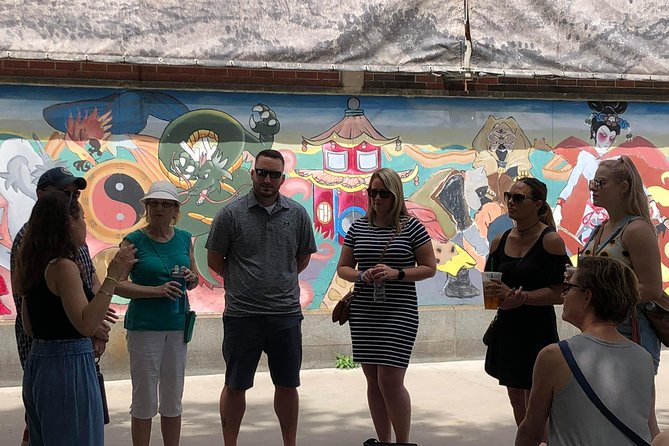
A max group size of 12 changes the whole tone. With fewer people, your guide can slow down at the right moments, answer questions without rushing, and keep everyone oriented as you move between eateries.
You also get a more human pace. A 2 hours 30 minutes walking tour is long enough to cover meaningful ground, but short enough that you don’t spend the whole afternoon waiting in line or feeling stuck in one place. You’ll be eating along the way, which keeps energy up and makes the walking sections feel like part of the show, not the boring commute between tastings.
One practical tip: Boston sidewalks can get crowded. Since this is a walking tour, wear shoes you’d be happy to stand in for a while. And if you care about hearing the history, try to position yourself where your guide can see you clearly and you can catch the details.
Dumplings one day, the South End the next
Price and what you’re truly buying for $135.45
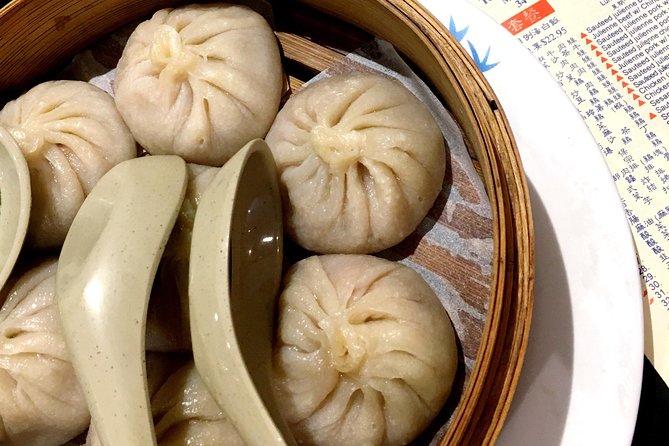
At $135.45 per person, this isn’t a bargain-basement snack crawl. But the price makes more sense once you see what’s included: the guided walking tour, all food tastings, and the note that all fees and taxes are covered. In other words, you’re paying for planning and access—your guide curates stops, manages timing, and connects the tastings to the neighborhood story.
The tour also includes Chinese, Chinese-American, and modern Asian cuisine tastings, so you’re not stuck eating only one style. That range is part of the value. If you only cared about eating, you could DIY it. If you want to understand why those dishes show up in Boston Chinatown and how they connect to the community, the guide turns a meal into something you carry home.
The one cost to remember is gratuity. Tipping isn’t included in the ticket price, and the guidance is that gratuities are accepted at the end if you’ve had a good time.
What you’ll eat: traditional roots, Chinese-American favorites, modern twists
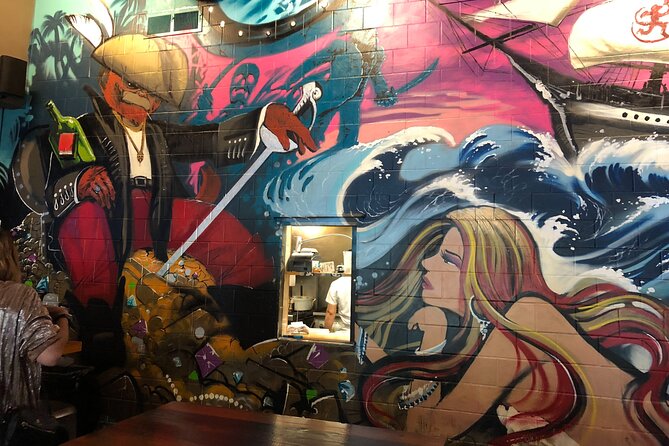
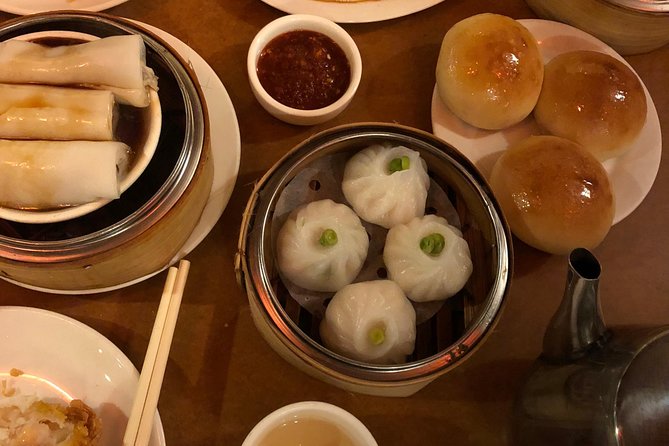
The tour is built around a mix, and that’s not a random marketing claim—it’s the point. You’ll sample traditional Chinese specialties, Chinese-American dishes, and modern twists that reflect how local Chinatown tastes have evolved.
Here’s why that matters for your palate: Chinatown food in Boston isn’t just one theme. Some dishes show the older traditions. Others are shaped by Chinese-American communities and what diners wanted here. Modern twists are where you can often taste experimentation—new techniques, new ingredients, or bolder flavors—while still recognizing the original inspiration.
And according to what’s described, you’re sampling from local eateries. That’s important because you’re not just reading about food culture. You’re tasting it in the kind of places neighborhood regulars walk into.
The Chinatown story walk: from Chinatown Gate through food-and-history moments
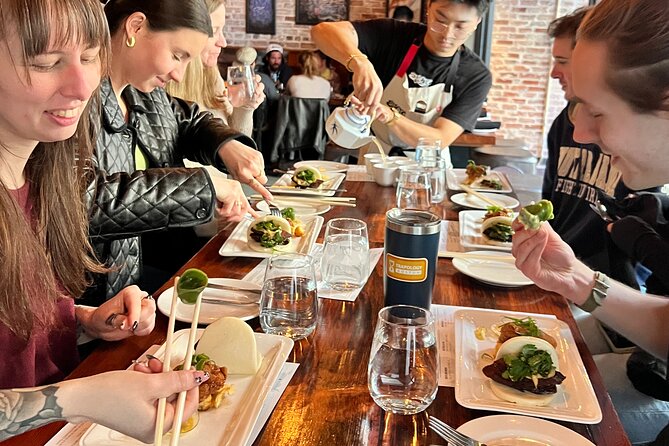
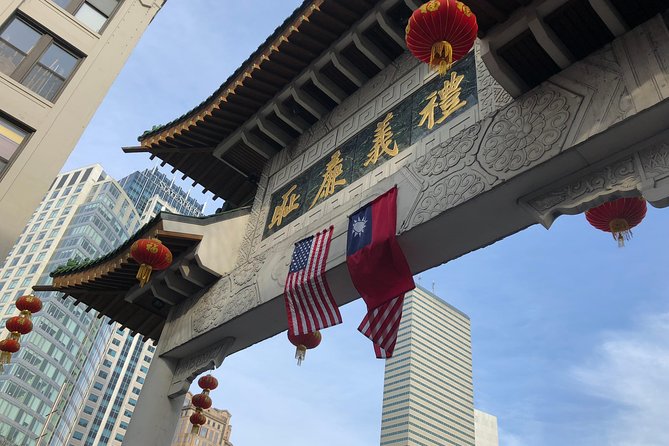
You start at the Chinatown Gate on John F. Fitzgerald Surface Road and Beach Street (back to the same meeting point at the end). Starting there is smart because it gives you a visual anchor right away. It also puts you near major transit options, so you’re not spending half your tour figuring out logistics.
From there, your guide ties together a few big themes:
- How Boston Chinatown developed as a community and a dining destination
- How Chinese food evolved across America
- Which parts of that evolution show up in Boston in specific ways
Then the food shows up at the right times to match the story. Instead of eating in one long sprint, you’ll pause for tastings that connect back to what you just heard. That’s what makes the tour feel like more than just a food list.
You’ll also hear about the people behind the food. The tour description highlights 2nd generation chef owners in the neighborhood, and that kind of perspective is practical. It explains not only what the dish is, but also how the restaurant and cooking styles relate to the community today.
Guide style is also part of the equation. In the feedback I saw, guides like Swetha and Katie are called out for being fun, friendly, and effective at mixing history tidbits with real food progress. I’d treat that as a sign the storytelling isn’t dry. You can expect facts, but also a guided route that keeps you moving and tasting.
Stop structure: how to think about one-stop tours that last 2.5 hours
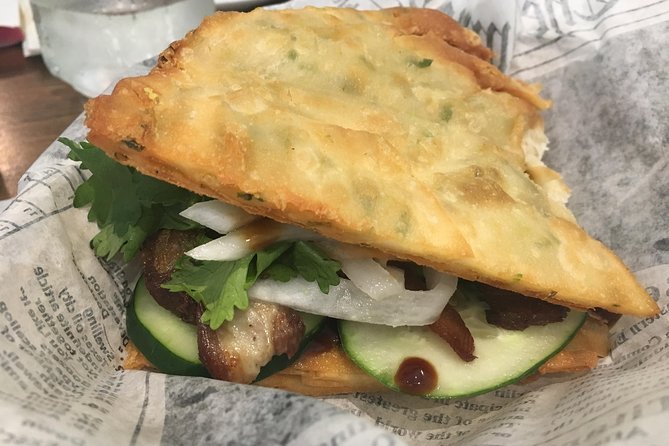
Even though the tour lists a single stop area—Chinatown—the experience still moves through distinct phases. Think of it as one neighborhood with multiple food-and-story checkpoints.
Here’s how to get the most out of that kind of structure:
- Use the first moments to set your mental map. You’ll learn the background on Chinatown’s development and the evolution of Chinese food in America. That early context makes later tastings click faster.
- Treat each tasting as a clue. Ask yourself what you’re noticing—texture, seasoning, familiarity, or how it differs from other Chinese food you may have had elsewhere.
- Listen for the Boston-specific notes. The tour is designed to explain aspects of cuisine that developed specifically in the Boston area. Catch those, and the whole thing becomes more personal.
Because you’re sampling in-between walking, you’ll also want to pace yourself. The goal isn’t to crush every bite without stopping. It’s to taste enough to notice patterns and still feel comfortable finishing the walk.
Still hungry? Boston keeps serving
- Boston Food & History: Pizza, North End & Freedom Trail★ 5.0 · 1,772 reviews
- Boston North End Food Tour of 6+ Tastings, Cannoli, Lobster Roll★ 5.0 · 1,404 reviews
- Boston’s North End Food Tour: Italian Flavors & Heritage Walk★ 5.0 · 1,322 reviews
- Boston’s North End Food and History Walking Tour★ 5.0 · 459 reviews
- Boston’s Politically Incorrect North End Food Tour★ 5.0 · 453 reviews
Logistics that matter: transit, timing, weather, and hearing the guide
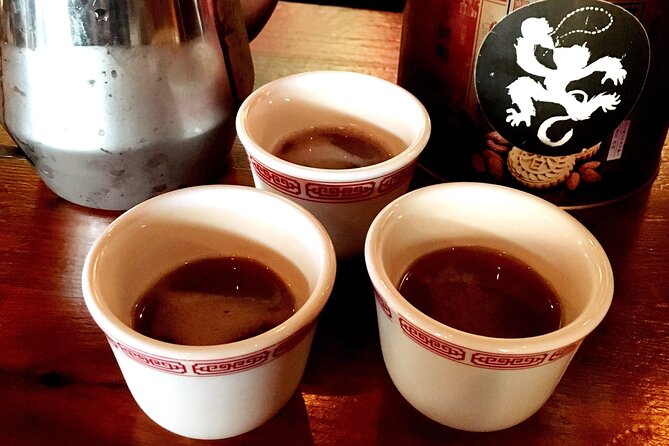
Getting there is usually easier than it looks on paper. The meeting point is close to Chinatown T stop on the Orange Line and also South Station on the Red Line. If you’re coming from outside Boston, that’s a big plus because transit is simple.
Parking can be tricky. Boston meter rules are tight, with a 2-hour limit per block, which isn’t enough to cover a 2.5-hour tour plus buffers. If you drive, plan for a lot nearby rather than street meters.
Weather is a real factor here. The tour states it runs in rain or shine, which is great—plans shouldn’t vanish just because of a drizzle. But it also notes the experience requires good weather. Practically, that means you should dress for the forecast anyway. Bring a light layer, and have a plan for wet sidewalks if needed.
Also, keep an eye on your position in the group. One feedback note mentioned hearing issues for most of the walk. That suggests your best strategy is simple: stay where you can clearly hear your guide, especially during the story parts.
Who should book this Dumplings to Dim Sum tour
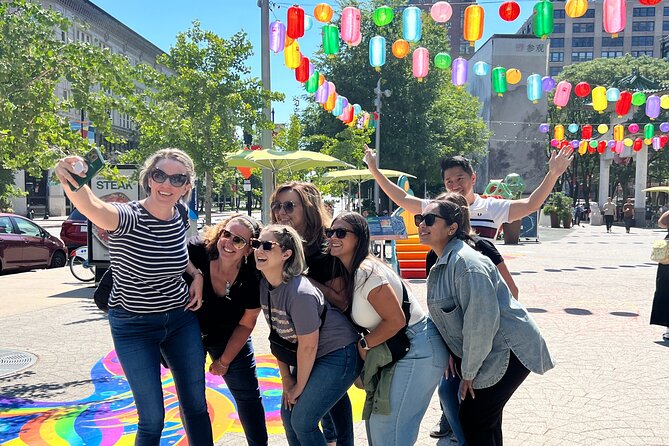
This is a strong match if you want:
- Food tastings with context, not just a list of what to eat
- An experience that helps you understand why Chinatown’s food culture looks the way it does in Boston
- A small-group walk where the guide can actually connect with the group
It also suits people who already know Chinatown a bit and want to see it differently. In the feedback I saw, even people familiar with the area liked getting new spots and fresh details.
A caution if you’re traveling with kids: the experience isn’t recommended for participants under 12. If your group includes younger kids, you might have more stress than it’s worth.
Should you book it? My honest take
Book this tour if you’re the type of person who likes understanding the why behind what you’re eating. The best reason to pay for this is the combination of tastings plus Chinatown-specific storytelling—especially the way the guide connects traditional Chinese food, Chinese-American adaptations, and modern twists.
I wouldn’t book it if you mainly want a budget meal crawl with zero walking and zero history. This is a guided walking tour for about 2.5 hours. The story matters here, so if you hate narration during meals, you’ll probably feel impatient.
If you do like food culture and you want a plan that feels organized and local, this one is worth serious consideration. The price is fair for a guided experience with all food tastings included, a small-group setting, and a route anchored at Chinatown Gate.
FAQ
How long is the Dumplings to Dim Sum tour?
It runs about 2 hours 30 minutes.
What’s the price per person?
The tour costs $135.45 per person.
What’s included in the ticket price?
You get a guided walking tour, all food tastings from local eateries, and all fees and taxes. The tastings include Chinese, Chinese-American, and modern Asian cuisine.
Do I need to pay for parking or admission at stops?
Admission is included as part of the tour, but parking is not included. Street parking meters have a 2-hour limit per block, so public transportation or lots are suggested.
Is this tour offered in English?
Yes. The tour is offered in English.
How big is the group?
The tour has a maximum of 12 travelers.
Where does the tour start and end?
It starts and ends back at the Chinatown Gate at John F. Fitzgerald Surface Rd and Beach St.
Does it run in bad weather?
It runs rain or shine. It also notes that the experience requires good weather, and if it’s canceled due to poor weather, you’ll be offered a different date or a full refund.
What is the cancellation window for a full refund?
Free cancellation is available up to 24 hours in advance for a full refund.
Is gratuity included?
No. Gratuity for the guide is not included, and it’s accepted at the conclusion of the tour.
The Boston Table Keeps Filling
More of the Boston Ledger
Chinatown and the South End, Plate by Plate
New on the Boston Docket
- Boston to Newport Mansions Private Day Trip
★ 5.0 · 3 reviews - Boston Massachusetts Private Photography Tour
★ 5.0 · 3 reviews - Homemade Dumplings 101 in Boston
★ 3.5 · 3 reviews - Self-Guided Audio Tour of Boston North End
★ 4.5 · 3 reviews - Old Boston: Beacon Hill & Back Bay Walking Tour in French
★ 4.7 · 3 reviews
Chinatown & South End Food Tours, compared.
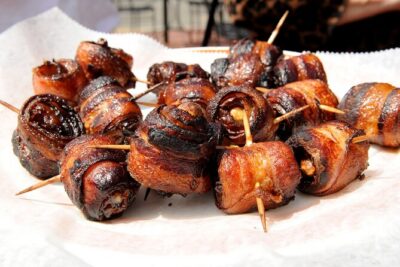 ★ 5.0Sweet & Savory South End: Explore Boston’s Best Food NeighborhoodFrom $13572 reviews
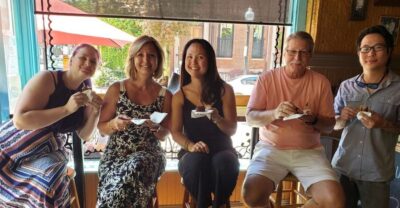 ★ 5.0Local Gems of the South End Neighborhood Food TourFrom $12520 reviews
 ★ 5.0Chinatown Food Tasting & Cultural History TourFrom $1255 reviews
 ★ 3.5Homemade Dumplings 101 in BostonFrom $1203 reviews
Browse the lists this tour appears in