
REVIEW · CHINATOWN & SOUTH END FOOD TOURS
Boston: Chinatown Food Tasting & Cultural History Tour
Follow the smells through Boston Chinatown. In just 3 hours, you’ll eat your way through classic, modern, and Chinese-American flavors while your guide connects the food to how the neighborhood formed and changed over time. I also love how the tour balances tasting with real-world context, not just restaurant hype, and how the group stroll includes historic and architectural stops you can actually see. One thing to weigh: this is not a flexible food tour for dietary restrictions or allergies, and one restaurant stop involves stairs.
You’ll meet your guide right at the Chinatown Gate, then head out as the neighborhood does its daily work—shopfronts, street life, and just enough history in the walls to make you look twice. When the guide is Andrew (and Katie on some runs), the vibe stays friendly and easy to follow, with short lessons that help the food make sense as part of Boston’s story—not as a random collection of snacks.
The day-to-day practical bits matter here. You’re outdoors and on foot for a significant portion, so plan for rain or shine, bring comfortable shoes and water, and skip the tour if you need full wheelchair-level access at every stop (one place requires a flight of stairs with no elevator).
In This Review
- Key things I’d circle before you go
- Meeting at the Chinatown Gate: a tight 3-hour plan
- What I liked about the format
- One potential drawback
- What you’ll eat: 6 tastings across classic, modern, and Chinese-American
- Why the traditional-to-modern-to-Chinese-American arc matters
- Watch-outs for what you can eat
- The history stops you can actually point at
- How to get the most out of the walking history
- Oldest restaurant, oldest bakery, and the stairs reality
- The one practical snag
- Newer places and 2nd-generation owners: the modern twist
- Why I like this part
- The cocktail or mocktail finish: a sweet landing
- Price and value: is $125 a fair deal?
- Practical tips that make the tour smoother
- What not to bring
- Who this fits best
- Should you book the Boston Chinatown Food Tasting & Cultural History Tour?
- FAQ
- How long is the Boston Chinatown food tasting tour?
- Where does the tour meet?
- How much does the tour cost?
- What’s included in the tour price?
- How many food stops and tastings are there?
- Are vegetarian or allergy-friendly options available?
- Is there a part of the tour that involves stairs?
- Is the tour family-friendly for kids?
- What should I bring to the tour?
- Can I cancel for a refund?
- Is transportation included?
Key things I’d circle before you go
- 6 food stops that mix traditional Chinese, modern Chinese, and Chinese-American bites
- Past + present Chinatown history, tied directly to how the cuisine evolved in Boston
- Historic and architectural sightings, including the first street and the site of the first Chinatown restaurant
- An oldest-places focus, with the oldest restaurant and sweet stop at the oldest bakery
- A 2nd-generation factor, where newer spots add a fresher take on the neighborhood’s flavors
- A cocktail or mocktail finish, so the tour ends like a proper night-out (even if it’s daytime)
Meeting at the Chinatown Gate: a tight 3-hour plan
Boston Chinatown is a great neighborhood to walk because it feels compact and readable. You start at the Chinatown Gate, and from there the tour runs like a focused food-and-stories circuit: short stroll, quick context, then tasting, repeated.
The pacing is built for tasting more than sightseeing marathons. In other words, you’re not being asked to sprint between stops or stand around for ages. The guide keeps the flow moving, and the food schedule gives you built-in reasons to slow down and actually look at what’s around you.
What I liked about the format
I like walking tours most when they don’t treat the streets like background music. Here, the route is part of the lesson, so you get a clear sense of how Chinatown began and how it functions now.
Also, the group format makes it easier to ask questions in the moment—like why a dish feels distinctly Boston, or how Chinese food adapted as the neighborhood grew.
Dumplings one day, the South End the next
One potential drawback
If you want a strictly modern-food crawl, this isn’t that. You’ll spend time on cultural and historical stops, which is the point of the tour. But if you’re only here for maximum calories with zero context, you might feel the balance is more history-forward than you expected.
What you’ll eat: 6 tastings across classic, modern, and Chinese-American
This is a food tasting tour, and the schedule reflects it. You’ll hit 6 local eateries and bakeries, and the tastings are split across sweet and savory options.
What makes it more interesting than a standard “try a bunch of dishes” run is the way the tour treats the cuisine as a timeline. You’ll taste:
- traditional Chinese flavors,
- modern Chinese takes, and
- Chinese-American dishes that developed locally.
That last category is where Boston gets interesting. Chinese food didn’t just appear in a Boston neighborhood and stay frozen in time—it changed as communities, ingredients, and tastes shifted. You’ll learn how historic events helped shape that evolution, then you’ll taste the results.
Why the traditional-to-modern-to-Chinese-American arc matters
If you’ve only ever tried Chinese food from a single style—like the takeout staples most people know—you may assume cuisine is one thing. On this tour, you’ll start seeing it as a chain of choices: what was available, what resonated, what families kept from the old world, and what the neighborhood invented or adapted.
That context makes each bite feel like a clue rather than just food.
Watch-outs for what you can eat
Important: this tour doesn’t provide alternative tastings for dietary restrictions or food allergies. It also isn’t suitable for vegetarians, and it’s not recommended for people with food allergies.
So if you’re someone who needs allergen-safe substitutions, you’ll want to look for a different tour type that explicitly supports that.
Still hungry? Boston keeps serving
- Boston Food & History: Pizza, North End & Freedom Trail★ 5.0 · 1,772 reviews
- Boston North End Food Tour of 6+ Tastings, Cannoli, Lobster Roll★ 5.0 · 1,404 reviews
- Boston’s North End Food Tour: Italian Flavors & Heritage Walk★ 5.0 · 1,322 reviews
- Boston’s North End Food and History Walking Tour★ 5.0 · 459 reviews
- Boston’s Politically Incorrect North End Food Tour★ 5.0 · 453 reviews
The history stops you can actually point at
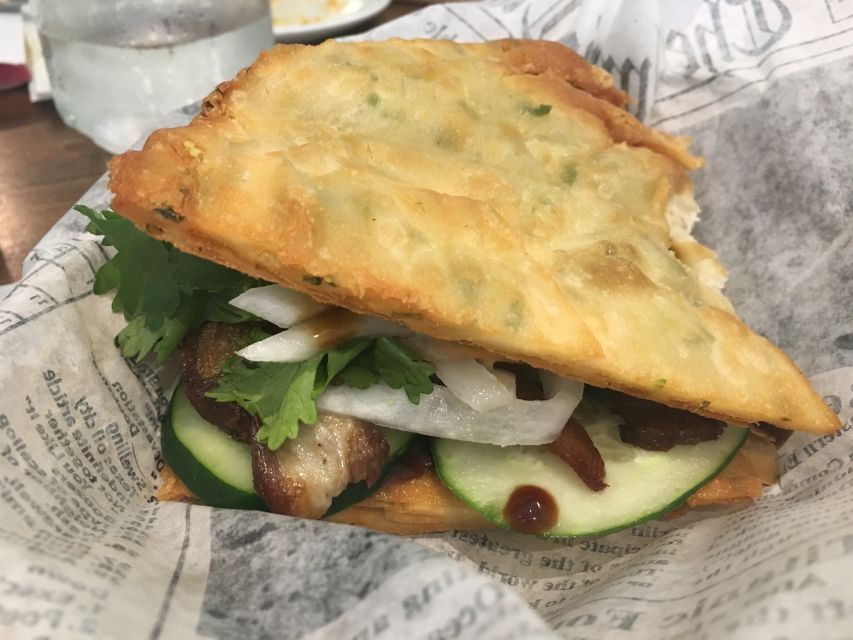
One of my favorite parts of this experience is that the lessons land on real locations, not just vague “in the old days” talk. You’ll visit sites with historical and cultural meaning, including:
- the first street connected to Chinatown’s early days,
- the site of the first Chinatown restaurant, and
- other spots with architectural and cultural relevance along the way.
You also learn how major events helped shape Chinese-American culture and cuisine in Boston. The guide’s job isn’t to recite a textbook. It’s to connect what happened to what you’re eating and why it looks (and tastes) the way it does now.
How to get the most out of the walking history
Here’s a simple trick: when you stop at a site, don’t just listen—look around. You’ll notice how the neighborhood’s layout, storefront style, and street energy help explain why certain businesses took root where they did.
Then when the tour moves back into food mode, you’ll feel the connection instantly.
Oldest restaurant, oldest bakery, and the stairs reality
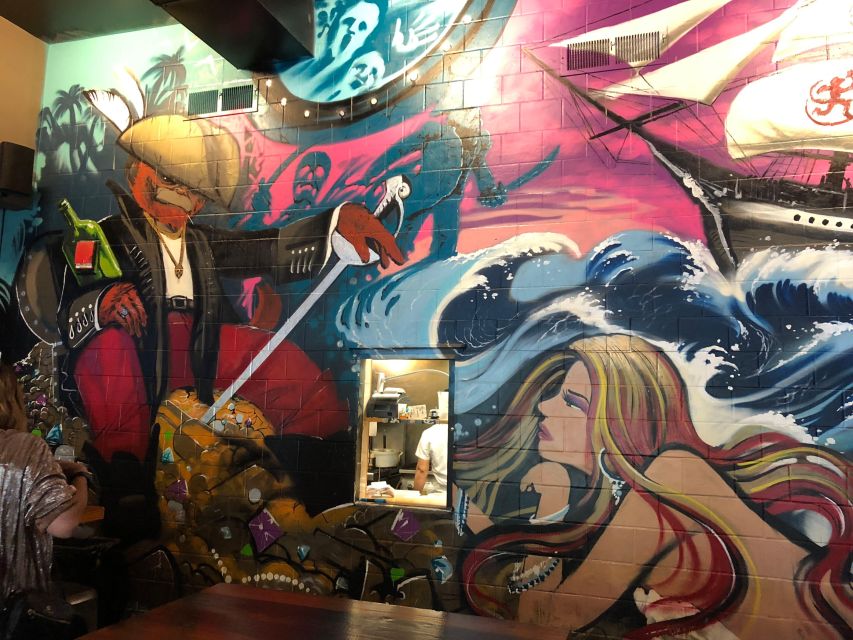
A big focus of the route is tradition you can still taste. You’ll visit the oldest restaurant in Chinatown, and there’s also a sweet stop at the oldest bakery in the area.
That combination matters. Restaurants tell you how people ate over time—savory habits, cooking styles, and what families came back for. Bakeries show you the sugar side of tradition: what was comforting, what became signature, and what people wanted to share.
The one practical snag
There’s one restaurant that requires a flight of stairs with no elevator available. That doesn’t mean the tour is difficult overall, but it does mean you should think about it before you book—especially if stairs are a problem for you or someone in your group.
If stairs are manageable but you want zero hassle, wear shoes you can move in comfortably and expect a short stair climb at that one stop.
Newer places and 2nd-generation owners: the modern twist
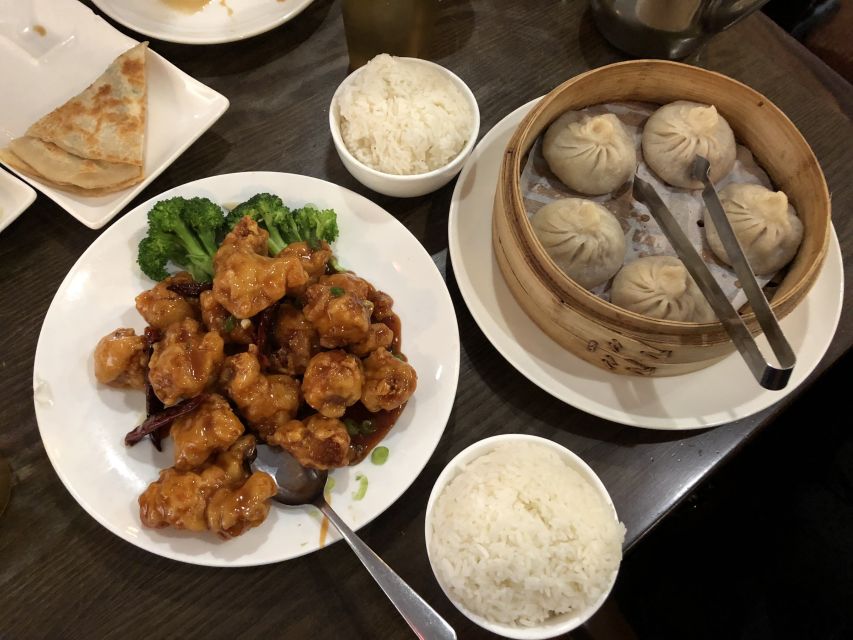
Not everything on the tour is old-school. You’ll also visit newer establishments opened by 2nd-generation restaurant owners, and you’ll notice how those businesses keep the neighborhood’s core flavors while adding a fresh approach.
That might mean modern technique, a slightly different presentation, or a twist that fits current tastes without losing what made the classics work in the first place. The guide ties these updates back to the broader story: immigrant communities don’t just preserve—they also adapt.
Why I like this part
If all you did was visit the oldest places, you’d still learn something, but you’d miss the living part of Chinatown. This section helps you understand why the neighborhood keeps moving forward and how food becomes a bridge between generations.
The cocktail or mocktail finish: a sweet landing
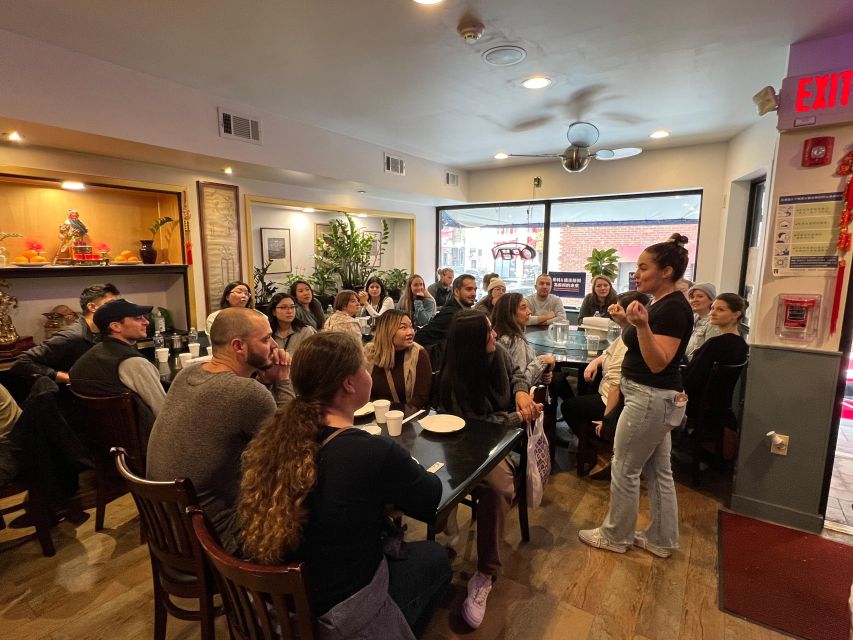
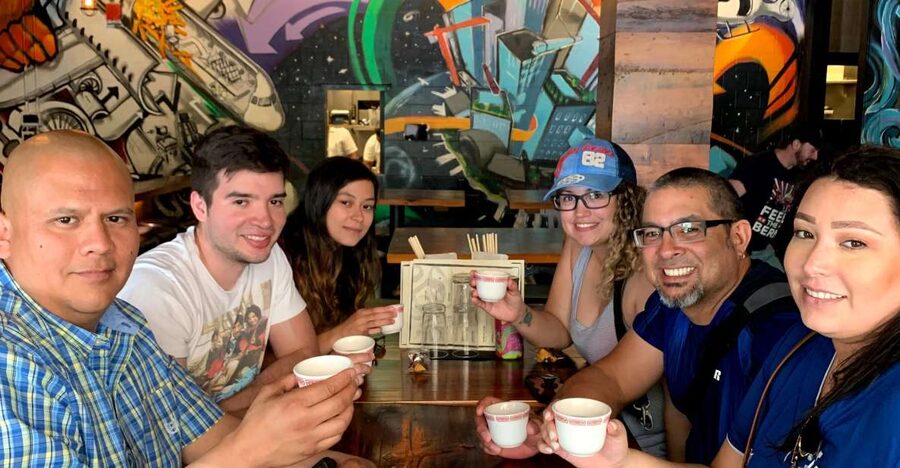
At the end, you’ll cap the tour with a cocktail or mocktail. After walking, tasting, and learning for hours, that last drink is a great way to slow down and savor the day’s flavors.
If you’re not drinking alcohol, the mocktail option keeps the vibe social without turning it into a bar crawl.
This final stop also does something practical: it gives you time to ask your guide last-minute questions while everyone’s appetite is satisfied and the mood is relaxed.
Price and value: is $125 a fair deal?
At $125 per person for a 3-hour guided walking tour, the price lands in the “this is worth it if you’ll actually use it” category.
Here’s why it can be good value:
- You get tastings from 6 eateries and bakeries, which is far more than you’d likely pay for if you tried to DIY it.
- The guide adds the context—how Chinese cuisine in Boston evolved and why Chinese-American dishes look the way they do.
- Your drink at the end (cocktail or mocktail) is included.
- Local taxes and fees are included in the listed total.
The main reason it might not feel like a bargain is simple: the tour isn’t designed for everyone’s food needs. Since there aren’t alternative tastings for allergies or restrictions, your personal value depends on whether you can enjoy the menu the tour offers.
If you eat freely (no allergies, no vegetarian limitations), you’re likely to feel you got your money’s worth in both food variety and stories.
Practical tips that make the tour smoother
Do the basics and you’ll enjoy the experience more.
- Bring comfortable shoes. You’re walking outdoors for a significant chunk of the tour.
- Bring water. You’re tasting, and Chinatown heat or cool air can sneak up on you.
- Bring ID (a copy is accepted).
- If rain is predicted, bring an umbrella and a rain jacket. The tour runs rain or shine.
What not to bring
This tour doesn’t allow pets, baby strollers, luggage or large bags, and smoking isn’t permitted.
Who this fits best
This one works especially well for:
- food lovers who want tastings, not just views,
- history-curious travelers who like short, clear lessons,
- people who want a local-food story that connects to the neighborhood’s real evolution.
It’s not a great match for:
- children under 12,
- vegetarians,
- anyone with food allergies or who needs dietary substitutions.
Should you book the Boston Chinatown Food Tasting & Cultural History Tour?
If you like the idea of learning while you eat—and you can enjoy Chinese food without needing special substitutions—this tour is a smart way to experience Chinatown in a short time. I’d book it if you want a guided route that mixes 6 tastings, history you can see on the street, and a finish with a cocktail or mocktail.
Skip it if stairs would be a deal-breaker for you, if you’re vegetarian, or if allergies or strict dietary needs are in play. In those cases, the tour’s lack of alternative tastings becomes more than a small detail.
FAQ
How long is the Boston Chinatown food tasting tour?
It runs for 3 hours.
Where does the tour meet?
Your guide meets you right at the Chinatown Gate.
How much does the tour cost?
The price is $125 per person.
What’s included in the tour price?
You get a 3-hour guided walking tour, tastings from 6 local eateries, visits to historic/cultural sites, one cocktail or mocktail, and local taxes and fees.
How many food stops and tastings are there?
There are tastings from 6 local restaurants and bakeries.
Are vegetarian or allergy-friendly options available?
No. The tour is not suitable for vegetarians, and the guides are not able to accommodate dietary restrictions or food allergies with alternative tastings.
Is there a part of the tour that involves stairs?
Yes. There is 1 restaurant that must be accessed by a flight of stairs, and there is no elevator available at that location.
Is the tour family-friendly for kids?
It’s not recommended for guests under age 12.
What should I bring to the tour?
Bring comfortable shoes, an ID card (a copy is accepted), and water. If rain is predicted, bring an umbrella and a rain jacket.
Can I cancel for a refund?
Yes. You can cancel up to 2 days in advance for a full refund.
Is transportation included?
No. Transportation and parking are not included.
The Boston Table Keeps Filling

More of the Boston Ledger

Chinatown and the South End, Plate by Plate
New on the Boston Docket
- Boston to Newport Mansions Private Day Trip
★ 5.0 · 3 reviews - Boston Massachusetts Private Photography Tour
★ 5.0 · 3 reviews - Homemade Dumplings 101 in Boston
★ 3.5 · 3 reviews - Self-Guided Audio Tour of Boston North End
★ 4.5 · 3 reviews - Old Boston: Beacon Hill & Back Bay Walking Tour in French
★ 4.7 · 3 reviews
Chinatown & South End Food Tours, compared.
 ★ 5.0Sweet & Savory South End: Explore Boston’s Best Food NeighborhoodFrom $13572 reviews
 ★ 5.0Local Gems of the South End Neighborhood Food TourFrom $12520 reviews
 ★ 5.0Dumplings to Dim Sum: Food and History Tour of Boston’s ChinatownFrom $13515 reviews
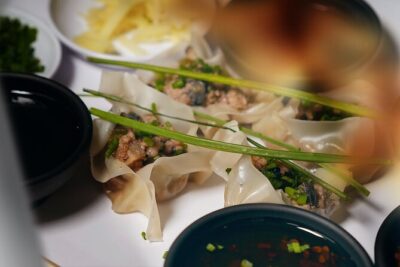 ★ 3.5Homemade Dumplings 101 in BostonFrom $1203 reviews
Browse the lists this tour appears in