
REVIEW · HISTORICAL TOURS
Highlights and History of Boston: GPS Guided Audio Tour
Boston packs a lot into a few blocks.
This GPS audio walking tour strings together major Freedom Trail landmarks with story time on immigration and Revolution-era Boston, all at a pace you control from your phone.
I especially like two things: the tour gives you step-by-step directions so you know where to go next, and it adds genuinely useful food and drink ideas when you’re near the North End and Faneuil Hall. One thing to plan for: several of the most famous interiors are optional but ticketed—Old North Church, the Paul Revere House, and the Old State House all cost extra and can affect how long you’ll stay.
In This Review
- Key things to know before you start
- How the GPS Voice Map tour works from Copps Hill
- North End to Old North Church: Italian bites, Irish roots, and the lantern signal
- Paul Revere House and the Rose Fitzgerald Kennedy Greenway after the Big Dig
- Faneuil Hall Marketplace for lunch, souvenirs, and political sparks
- Old State House and Granary Burying Ground: Boston Massacre to founding names
- Boston Common and Public Garden: Civil War memory, Ducklings, and Swan boat time
- Price and value: what $9.99 buys, and what to budget for interiors
- Pacing tips so you finish the walk feeling good
- Who should book this GPS Freedom Trail walk
- Should you book this Boston GPS guided audio tour?
- FAQ
- Is this tour offered only in English?
- How long does the GPS guided tour take?
- What does the tour price include?
- Which stops require separate admission?
- Where does the tour start and end?
- Can I bring a service animal?
Key things to know before you start
- GPS voice guidance across nine major stops, with an overall feel of about 3 to 4 hours on foot
- North End context beyond the brochure, including Irish and Italian immigration and how Boston’s Little Italy formed
- Old North Church’s lantern signal story (Robert Newman and April 18, 1775), plus an optional inside visit and chocolate shop stop
- The Big Dig story in the Rose Fitzgerald Kennedy Greenway, including a thoughtful stop at Armenian Heritage Park
- Lunch-and-hang time at Faneuil Hall Marketplace, where you can eat first and learn as you go
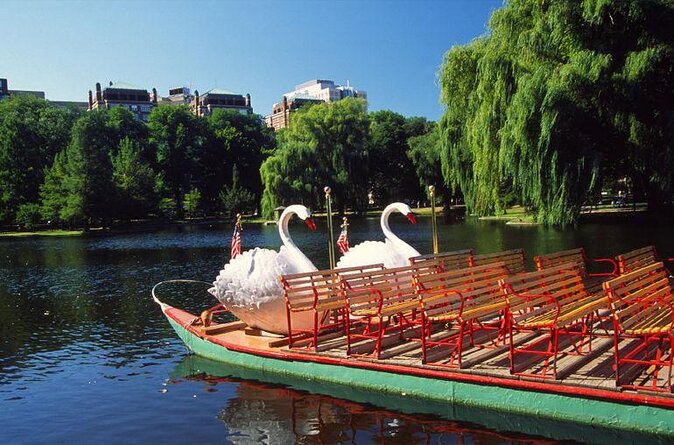
- End at Boston Public Garden, where you can tack on Swan boats and the Ducklings statues if you want
How the GPS Voice Map tour works from Copps Hill
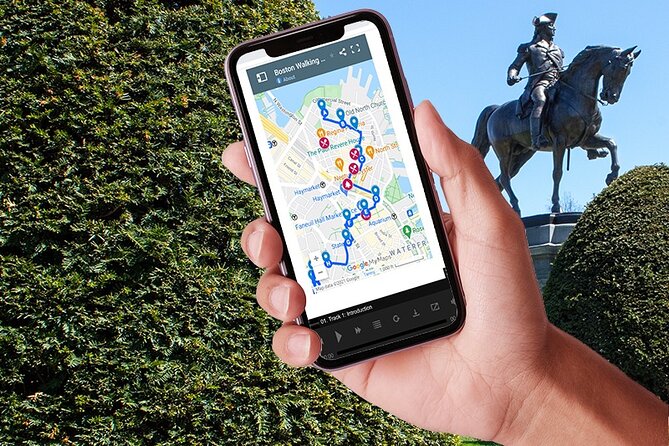
This is a self-guided private walking experience, offered in English, using a Voice Map GPS-enabled app on your mobile. You get a mobile ticket, and the audio is designed around specific places—so instead of wandering and guessing, you follow a route with narration tied to each stop.
The tour runs daily from 7:00 AM to 9:00 PM, which matters if you’re trying to avoid heat or crowds. Total walking time averages 3 to 4 hours, and the itinerary is set up with short “in-and-out” windows at each highlight, plus a couple longer pauses (especially around the North End and Faneuil Hall).
You’ll start at Copps Hill Burying Ground, 45 Hull St, Boston, MA 02113, and finish near Boston Public Garden (near the George Washington Statue). That start-to-finish flow helps because you’re not constantly backtracking.
Practical note: the route is mostly a city walk. The tour lists that most travelers can participate and allows service animals, so it’s built for a typical walking pace, not a seated museum tour.
North End to Old North Church: Italian bites, Irish roots, and the lantern signal
The tour begins in the North End area at Copps Hill Burying Ground, and it quickly turns into more than just “look at this old church.” You’ll walk past several Freedom Trail sites while the audio explains how immigration waves shaped the neighborhood’s identity—especially the Irish and Italian periods.
At this stage, the narration also steers you toward food. It calls out recommended spots for Italian cuisine, pizza, and pastries. That’s a smart addition because the North End is where your history walk can easily become a full-on lunch plan. If you’re the type who hates wasting time deciding what to eat, this part helps you get it done fast.
Then you reach Old North Church & Historic Site, where the story takes a dramatic turn: you’ll learn about the night of April 18, 1775, when Robert Newman, the church caretaker, hung lanterns in the steeple. Those lanterns signaled Paul Revere and others to start their rides and alert the Minutemen that the British are coming.
Inside Old North is a separate admission, and the tour notes it’s recommended for historical significance. It also works as a timing checkpoint: you can choose the quick outdoor version if you’re cost-sensitive, or add the interior if you want the full context.
There’s also an included experience here that isn’t just Revolutionary warfare. Admission for the site includes Captain Jackson’s Historic Chocolate Shop, where you can learn how that treat was made and consumed in the 18th century. If you like history that includes daily life details, this is a fun way to break up the heavier narratives.
Three centuries deep, more Boston history
Paul Revere House and the Rose Fitzgerald Kennedy Greenway after the Big Dig
Next is the Paul Revere House. Even if you only pass by, the audio sets up what it meant to be a Son of Liberty before the Revolution. If you want more, you can take the interior tour (also separate admission). Either way, this stop reinforces the theme that Revolution-era Boston wasn’t abstract—it happened in real homes and real streets.
After that, you move to the Rose Fitzgerald Kennedy Greenway, Boston’s long linear park created by the “Big Dig.” This is one of those moments where the tour helps you connect modern Boston to the past. You don’t just hear that the city changed. You learn what replaced an interstate highway with green space—and why that shift matters to how people use the city now.
One highlight here is Armenian Heritage Park. The audio pays tribute to the Armenian Genocide and the subsequent period of immigration to the United States. It’s handled as more than background color; it gives you enough context to understand why this memorial is in the middle of a city walk.
This is also where you’ll feel a benefit of doing a multi-theme tour instead of a single-issue one. Revolution stops can get heavy. The Greenway reminds you Boston is still receiving people, telling stories, and building places that reflect identity.
Faneuil Hall Marketplace for lunch, souvenirs, and political sparks
At Faneuil Hall Marketplace, the tour basically gives you permission to slow down and do normal tourist stuff—eat, shop, and grab a drink—while staying tied to the area’s original purpose.
You have choices for lunch: the marketplace has a large food court and table-service restaurants. You can also shop for souvenirs or apparel, or stop by the Samuel Adams taproom for a pint.
The narration adds context that makes this stop more than a food stop. It explains how this area started as Boston’s first central marketplace—where locals bought common groceries—and then became a pulpit for the abolitionist movement. That’s the kind of detail that changes how you see a familiar-looking place. It’s not just where you eat. It’s where public debate happened.
One practical consideration: at the time of this tour’s publishing, Faneuil Hall itself is closed by the city due to COVID-19, but the rest of the marketplace is open. So if you were counting on going inside the hall building, adjust expectations and focus on the open portions.
Old State House and Granary Burying Ground: Boston Massacre to founding names
The tour then shifts into the “you can’t walk here without running into a story” zone.
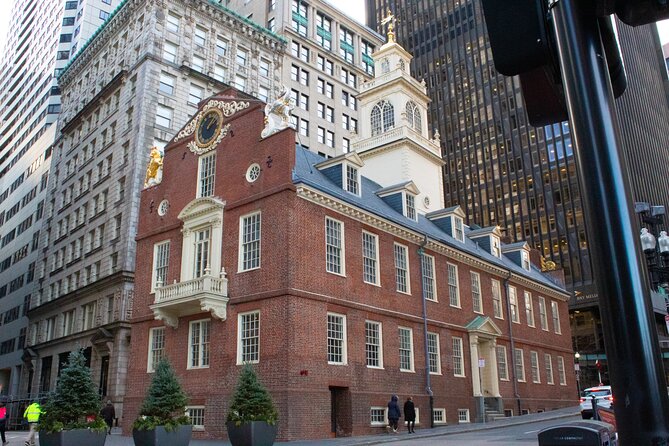
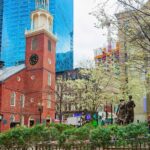
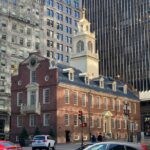
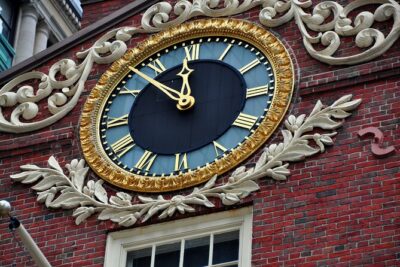
At the Old State House, you’ll learn it was the seat of government for the Massachusetts Bay Colony and a symbol of Royal power before the American Revolution. It’s also tied directly to the Boston Massacre. The audio connects the events leading up to the massacre to how opinions shaped the next five years, culminating in the first shots at Lexington and Concord.
If you want interiors, you can add admission to see colonial-period artifacts, the Council Chamber where the governor would meet the King’s Council, and an exhibit focused on Crispus Attucks, described as the first casualty of the Boston Massacre. This is another ticketed optional add-on, but it’s the kind of indoor stop that often pays off if you want specific names and objects, not just the general story.
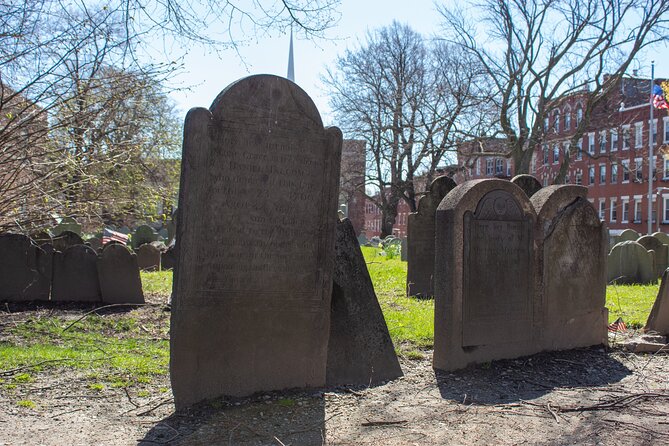
The route continues toward Granary Burying Ground, where you’ll see the final resting place of famous founding figures like Samuel Adams, Paul Revere, and John Hancock. You’ll also pass the five casualties of the Boston Massacre. This portion is both eerie and useful—because it makes you slow down and see how individual lives sit inside big national turning points.
Along the way, the tour points out the Omni Parker House Hotel, home of the Boston cream pie, which is a fun way to keep your brain in both modes: history and real-life food lore.
Then there’s an important historical thread woven along the Freedom Trail walk: the Great Famine in Ireland, its starvation-driven causes, and the resulting immigration to the United States. Boston has a proud Irish heritage, and this narration ties that diaspora directly into the city’s history, so you’re not just collecting Revolutionary dates.
Boston Common and Public Garden: Civil War memory, Ducklings, and Swan boat time
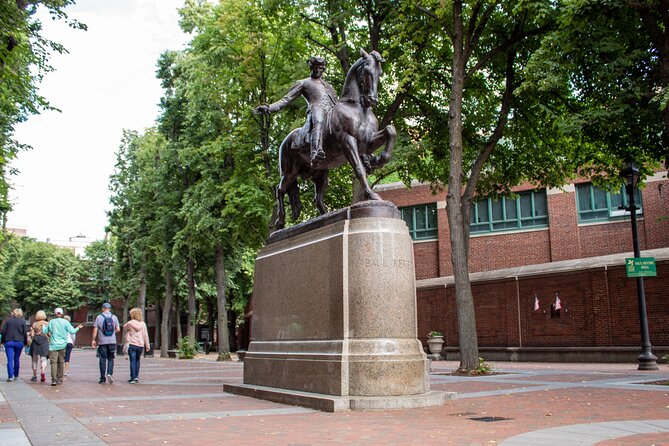
Near the end, the tour takes you into Boston Common, the nation’s first public park. This isn’t just a pause to catch your breath; the narration helps you spot key landmarks and stop for meaning.
A standout here is a newly refurbished monument to the Massachusetts 54th Volunteer Regiment, one of the first colored infantry units in the American Civil War. It’s also connected to the film Glory, which the audio references by linking the regiment to the broader cultural memory of that era.
After Boston Common comes the Boston Public Garden, which is where the tour becomes visually rewarding. The narration points you toward the park’s botanical arrangements and then shifts to people-favorite details like the Make Way for Ducklings statues.
If you’ve seen Good Will Hunting, you’ll recognize the park bench used by Robin Williams and Matt Damon in the Your Move Chief scene. It’s the kind of connection that makes a park stop feel lighter while still being part of a meaningful walking day.
You can also add a short activity if you want: the tour notes Swan boats around the lagoon for a small admission. If you’re traveling with kids, or you just like a “real vacation” moment before you stop moving, this is a good place to do it.
And when the tour ends, or even during the last stretch, you can cross over for casual food and beer at Cheers Beacon Hill, the bar associated with the show Cheers from 1982 to 1993. It’s not the most historical stop on the route, but it is a very Boston way to wrap up: talk, drink, and laugh about famous places.
Boston at your own pace, more options
- Self Guided Classic Freedom Trail Location Aware (GPS) Walking Audio Tour★ 4.5 · 258 reviews
- Boston Freedom Trail Self-Guided Tour with Audio Narration & Map★ 4.5 · 98 reviews
- Self-Guided Boston’s Beacon Hill Underground Railroad Audio Tour Walking Tour★ 4.5 · 29 reviews
- Self Guided “Historic Boston Downtown Freedom Trail” Audio/GPS Walking Tour★ 4.0 · 22 reviews
- Boston’s Old North Church Admission with Self-Guided Audio Tour★ 4.5 · 19 reviews
Price and value: what $9.99 buys, and what to budget for interiors
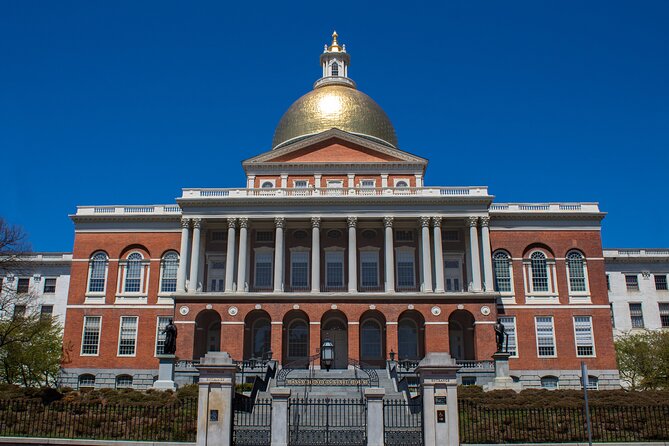
The tour costs $9.99 per person and includes the Voice Map GPS-enabled app. For that price, you’re paying for a structured, story-driven route that helps you connect major sites without hiring a traditional guide or spending all day reading plaques.
The big value question is what you add on. Three major interior visits are not included:
- Old North Church entrance: Adults $8, Students/Seniors $6, Children $4
- Paul Revere House: $5 (separate admission)
- Old State House: $10 (separate admission)
If you only do the outdoor/route portions, you keep costs low and still get the key stories. If you add all interiors, you’ll raise the total price, but you’ll also gain artifacts, rooms, and exhibits that are hard to replicate from audio alone.
My rule of thumb: if you’re paying admission, pick the places that match what you care about most. If you want Revolutionary-era storytelling with physical interpretation, Old North and Old State House are strong bets. If you’re more into the personal-life angle of the Revolution, the Paul Revere House fits that focus.
Pacing tips so you finish the walk feeling good
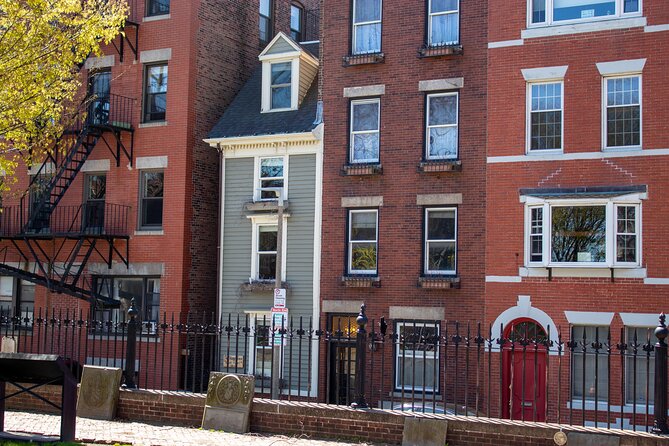
The tour is designed around short stops, but it still needs your decisions. Here’s how to avoid the most common self-guided mistake—doing everything fast and remembering nothing.
First, treat North End like your flexible block. It’s the stop where the narration recommends food (Italian cuisine, pizza, pastries), and it also includes walking time at Copps Hill Burying Ground plus nearby Freedom Trail sites. If you’ll eat here, do it as part of the stop rather than trying to “find time later.”
Second, plan lunch at Faneuil Hall Marketplace. The tour gives you 45 minutes here, and it’s one of the best chances to reset: use it for a real meal, not a snack. If Faneuil Hall itself is closed, don’t stress. The open parts of the marketplace still give you the vibe and options.
Third, decide early whether you’ll pay for interiors. Old North, Paul Revere House, and Old State House are where extra time can sneak in. If you’re trying to stay closer to 3 hours, you’ll likely choose fewer interior stops.
Finally, don’t underestimate the last stretch. Boston Common to Boston Public Garden gives you a calmer finish and places that are fun even when you’re tired—Ducklings, the botanical layout, and the option of Swan boats.
Who should book this GPS Freedom Trail walk
This is a great match if you want:
- A self-guided experience with structure, not a rigid group schedule
- Freedom Trail highlights plus extra context on Irish and Italian immigration and Boston’s immigrant-shaped neighborhoods
- A tour that includes practical food moments instead of only big-history stops
- A route that ends in a relaxing, photogenic place near Boston Public Garden
It’s also ideal for couples, solo walkers, and families who like to move at their own pace. Because it’s private—only your group participates—you don’t have to worry about losing your place in a big crowd.
The one group I’d hesitate for is anyone who hates walking between landmarks. This is a walking day, even with audio pacing.
Should you book this Boston GPS guided audio tour?
Yes, if you want a low-cost way to cover the Freedom Trail core sites and connect them to immigrant stories, public spaces, and real food stops. The $9.99 price is especially compelling because the app does the heavy lifting: guiding you from stop to stop and keeping the history connected.
I’d book with a small plan for admissions. If you can afford the extras, Old North and Old State House are the kind of indoor stops that can make the day feel more complete. If you’d rather keep it lean, you’ll still get a strong storyline from the outdoor route and parks.
One more good reason: finishing at Boston Public Garden means you end your walking day in a place that feels like a reward, not an afterthought.
FAQ
Is this tour offered only in English?
Yes. The tour is offered in English.
How long does the GPS guided tour take?
It’s listed as approximately 3 to 4 hours.
What does the tour price include?
The price includes the Voice Map GPS-enabled app and a mobile ticket. Admission to some major sites is not included.
Which stops require separate admission?
Old North Church entrance is ticketed, the Paul Revere House is ticketed, and the Old State House is ticketed. Other stops on the route are listed as free admissions.
Where does the tour start and end?
It starts at Copps Hill Burying Ground, 45 Hull St, Boston, MA 02113, and ends near Boston Public Garden near the George Washington Statue.
Can I bring a service animal?
Yes. Service animals are allowed.
Boston Without a Group in Sight
Boston History, Volume Two



More of the Boston Ledger



New on the Boston Docket
- Boston to Newport Mansions Private Day Trip
★ 5.0 · 3 reviews - Boston Massachusetts Private Photography Tour
★ 5.0 · 3 reviews - Homemade Dumplings 101 in Boston
★ 3.5 · 3 reviews - Self-Guided Audio Tour of Boston North End
★ 4.5 · 3 reviews - Old Boston: Beacon Hill & Back Bay Walking Tour in French
★ 4.7 · 3 reviews
Historical Tours, compared.
 ★ 5.0History and Hauntings of Salem Guided Walking TourFrom $3614,564 reviews
 ★ 5.0Freedom Trail History Small Group Walking TourFrom $356,450 reviews
 ★ 4.5Tour of Historic Fenway Park, America’s Most Beloved BallparkFrom $453,013 reviews
 ★ 5.0Boston Food & History: Pizza, North End & Freedom TrailFrom $901,772 reviews
 ★ 4.6City Cruises Historical Sightseeing CruiseFrom $461,771 reviews
★ 4.9Freedom Trail History Small Group Walking TourFrom $351,590 reviews
★ 4.6City Cruises Historical Sightseeing CruiseFrom $461,771 reviews
★ 4.9Freedom Trail History Small Group Walking TourFrom $351,590 reviews
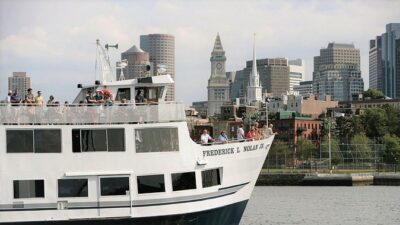 ★ 4.5City Cruises Boston Historic Sightseeing Harbor CruiseFrom $461,388 reviews
 ★ 5.0Boston’s North End Food Tour: Italian Flavors & Heritage WalkFrom $701,322 reviews
Browse the lists this tour appears in