
REVIEW · FREEDOM TRAIL & REVOLUTION WALKS
Boston: Freedom Trail Tour with Old North Church & Cruise
Paul Revere’s route still moves. This Freedom Trail tour ties the famous midnight ride to the exact streets and meeting spots that fed the revolution.
I especially like the rare, private moment inside the Old North Church bell ringing chamber. You also get a guided walk through the North End, then finish with a 1-hour Boston Harbor cruise that gives you a different angle on Boston’s waterfront story.
One thing to plan for: it’s a walking tour. There are some hills and the pace won’t suit someone who can’t walk at a moderate pace for short stretches at a time.
In This Review
- Key things I’d bookmark before you go
- Freedom Trail walking, but with the details you actually want
- Beacon Hill to Granary Burying Ground: start where the names live on
- Old South, Old State House, Boston Massacre: the “why now” of 1775
- Faneuil Hall: where freedom sounds like a debate
- North End time: Paul Revere’s neighborhood in everyday scale
- Old North Church and the bell chamber: the rare moment that changes the whole tour
- Paul Revere House photo stop: closing the loop on the midnight ride
- Long Wharf and the harbor cruise: history you can see, not just hear
- Price and value: what $99 includes, and why it can be a good deal
- Who this tour fits best (and who should reconsider)
- Practical tips so the day feels smooth
- Should you book this Freedom Trail tour with Old North Church and the cruise?
- FAQ
- How long is the tour?
- What’s included in the price?
- Where do I meet the guide?
- Is lunch included?
- Is the tour wheelchair accessible?
- What happens at the end of the tour?
Key things I’d bookmark before you go
- Private access to the bell ringing chamber at Old North Church, typically not available to most visitors
- Seven Freedom Trail stops plus extra time in Paul Revere’s North End neighborhood area
- Granary Burying Ground perspective with Revolutionary names like Samuel Adams and Paul Revere mentioned at the start
- North End cobblestone walking time that slows you down just enough to picture 18th-century daily life
- A narrated harbor cruise from Long Wharf to connect the revolution to maritime Boston
- Guides like Sam get named in feedback for being personable and answering questions well
Freedom Trail walking, but with the details you actually want
This isn’t just a checklist of famous stops. The route is built to help you understand the 1775 drama through choices and tensions, with your guide pacing the story as you walk. You’ll cover a good chunk of central Boston, but in bite-sized segments rather than one long slog.
The best part for me is that the tour uses the city itself as the textbook. You’ll stand where people argued, protested, and worried about what British rule would mean next. And when you hit the big landmarks, you’re not just looking at buildings. You’re learning what those places did in real time.
You’ll also end with the harbor cruise, which is smart. Boston’s revolution wasn’t only fought on land. The water shaped shipping, power, and everyday life, and the narration helps connect the dots while you watch the skyline from the water.
Beacon Hill to Granary Burying Ground: start where the names live on
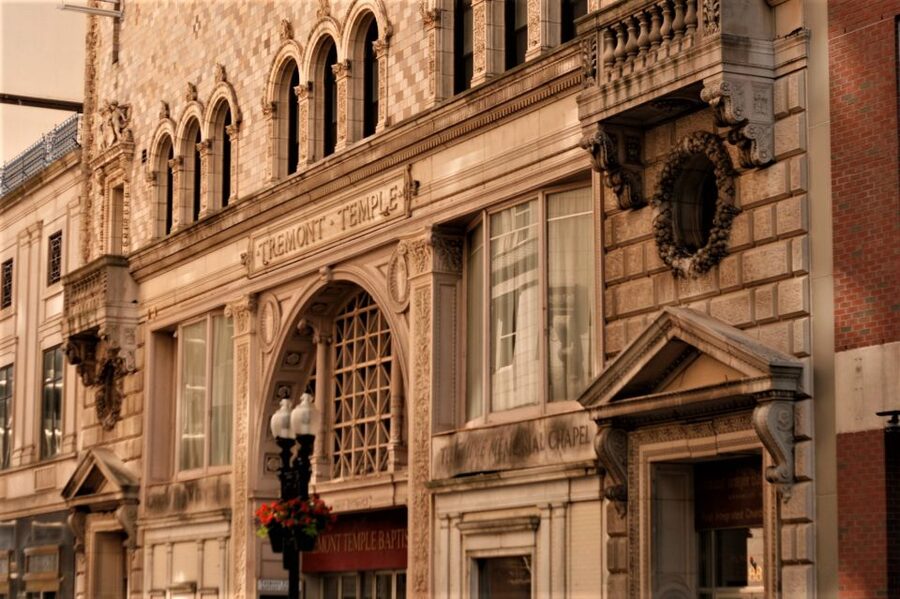
You meet at 1 Beacon St, right by the corner of Beacon and Tremont Streets, and your guide holds a green Walks sign. Arrive about 15 minutes early so you can slip into the group without rushing.
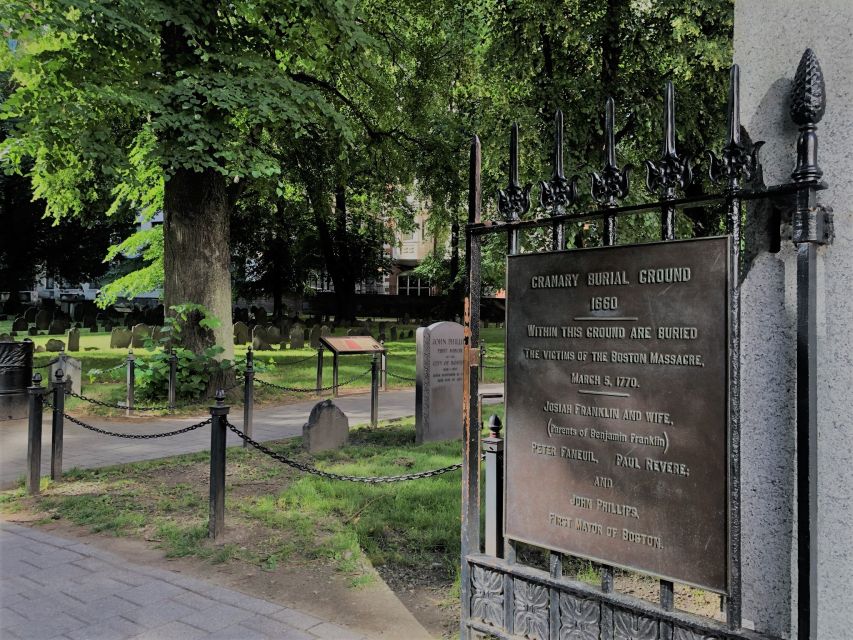
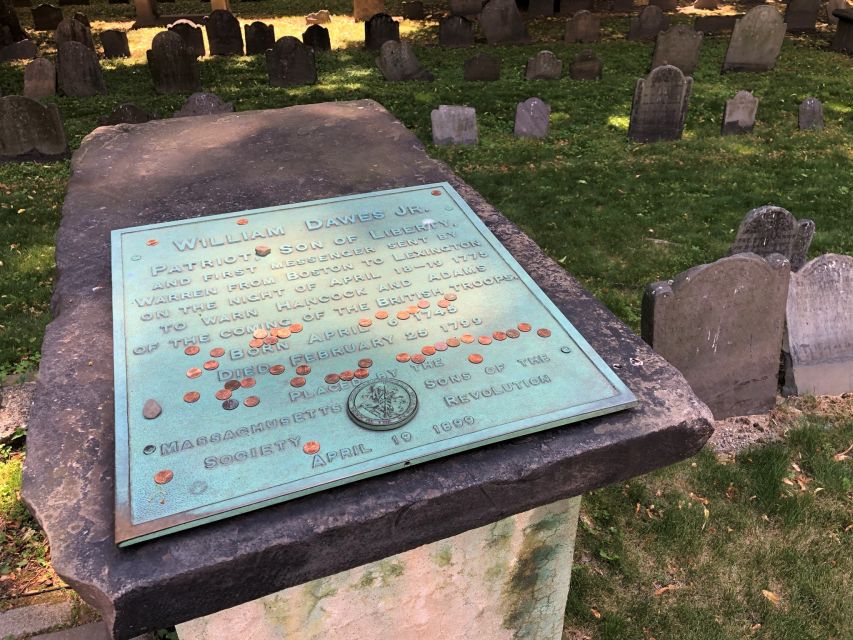
From there, you spend time in the Beacon Hill area before reaching Granary Burying Ground. This first stretch matters because it sets the tone: you’re not starting with dates in a vacuum. You’re starting with people. At Granary Burying Ground, the tour highlights Revolutionary figures, including Samuel Adams and Paul Revere, in the context of the fight that was brewing.
If you’re the type who likes to understand why these sites matter, this opening works. Even if you’ve heard of Paul Revere, seeing his story connected to a resting place makes the midnight ride feel less like a legend and more like a human event tied to a community.
The red brick line keeps going. More Trail walks here
Old South, Old State House, Boston Massacre: the “why now” of 1775
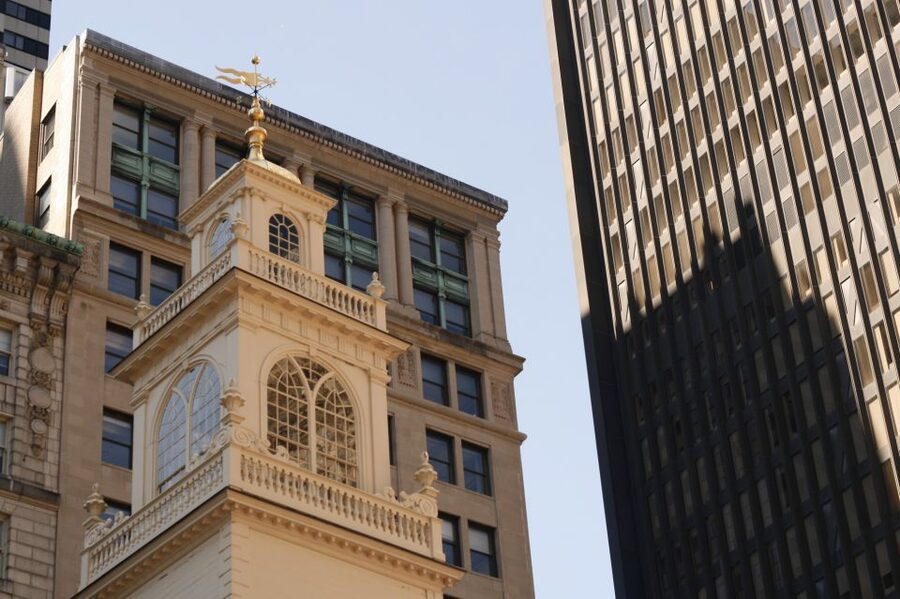
Once you’re on the Freedom Trail portion, the tour focuses on the pressure cooker moments leading into open conflict. You’ll visit the Old South Meeting House, described as an essential hub for protest and political talk in colonial Boston.
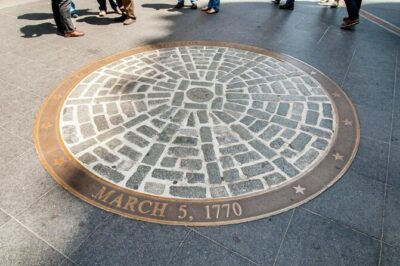
Then comes the Old State House and the Boston Massacre Site. These stops are where tension becomes visible in place. The Boston Massacre stop anchors the story in a specific eruption between colonists and British soldiers, which helps explain why so many people felt like the relationship had broken down for good.
What you take away here is the sequence of emotions: argument, outrage, and then fear of what would happen next. Your guide’s job is to keep it grounded so you don’t just hear dramatic headlines. You get the “why now” thread as you walk from one argument space to another.
Faneuil Hall: where freedom sounds like a debate
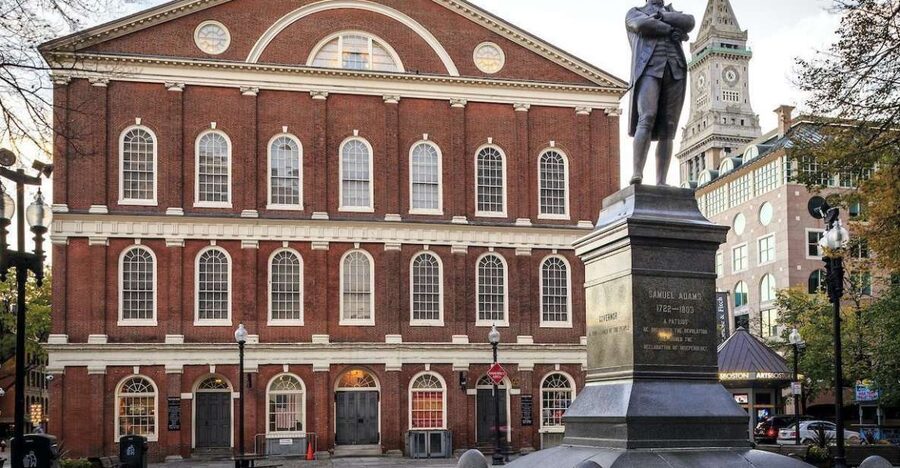
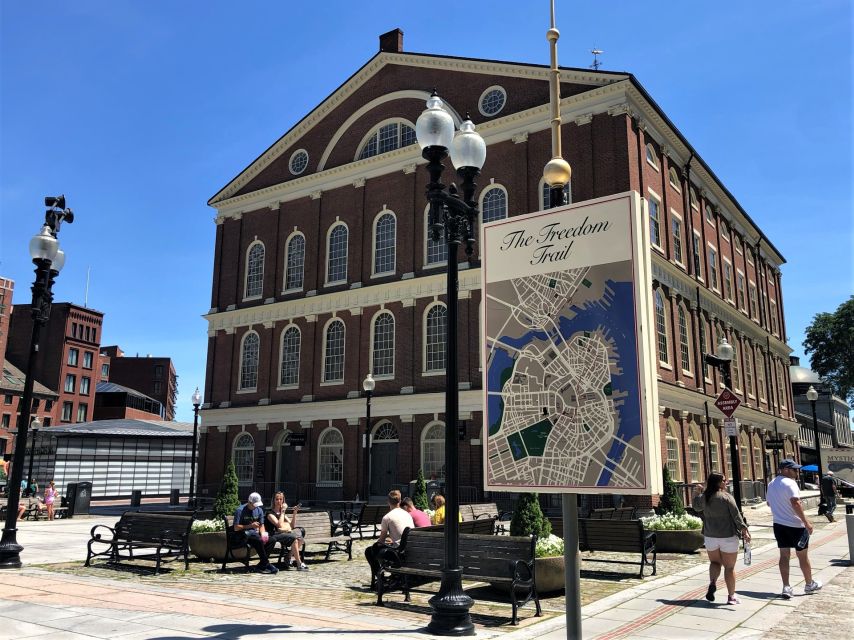
Next up is Faneuil Hall, a public meeting space where freedom was argued over in real time. This stop is one of the best in the tour if you like the idea that revolutions are made with speeches, votes, and street-level pressure, not only battles.
You’re walking in the same public space that shaped how people thought about liberty and power. And because the tour is guided, you’re not left trying to read history on your own from plaques.
If you’ve only seen Faneuil Hall from the outside, you’ll probably like this part more than you expect. It turns the building into a functional idea: a place built for debate, and a sign of how strongly colonists tried to steer their fate before things tipped over.
North End time: Paul Revere’s neighborhood in everyday scale
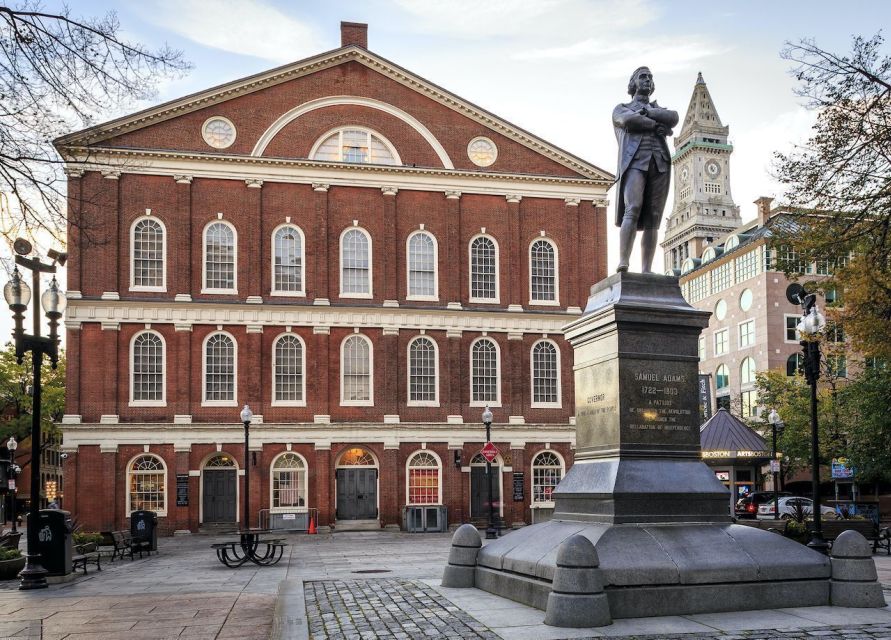
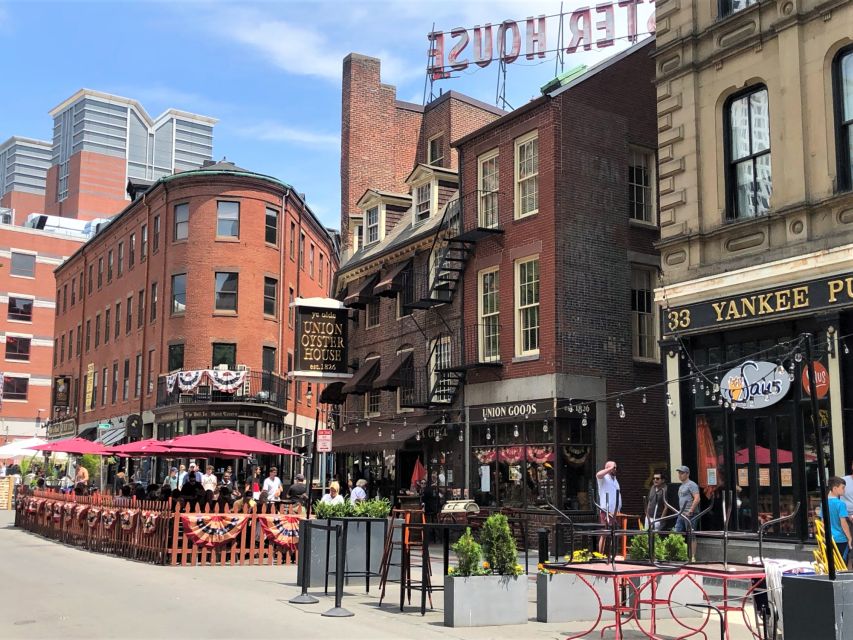
You’ll head into the North End, and this is where the tone shifts from major civic sites to lived-in neighborhood life. The tour gives you time to walk the cobblestone streets and connect Paul Revere’s story to the place he called home.
This section works because it slows the pace just enough for you to picture daily rhythms: what a neighborhood looks like when people are hearing rumors, making plans, and feeling the strain of politics all at once. The North End is also a good contrast to the big meeting houses. Instead of formal debate, you get street-level context.
If you’re sensitive to crowds, keep in mind this part of Boston can feel busy. The tour helps you navigate it with a story focus, so you’re not stuck just dodging foot traffic.
Old North Church and the bell chamber: the rare moment that changes the whole tour
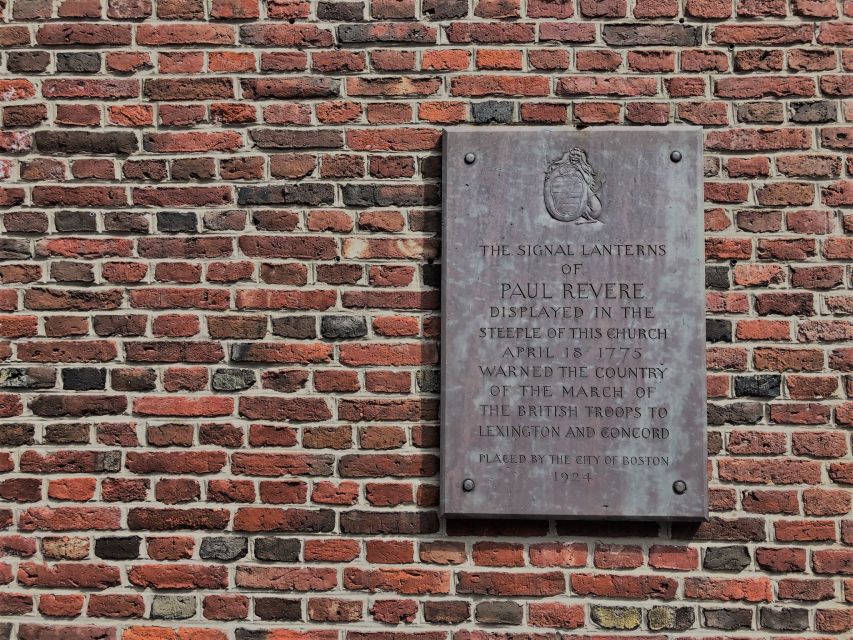
The highlight for most people is the Old North Church visit, and for good reason. This tour includes entry not only to the sanctuary, but also to the bell ringing chamber—a rare look that most visitors don’t get.
You’ll get the famous signal story in a way that feels practical, not just theatrical. The idea is tied to the famous one if by land, two if by sea message, but your time inside the church gives you a real vantage point for how communication worked in that era.
One more detail I’d treat as a real value: the bell chamber experience is described as private access, with time when you essentially have the space to yourself. That changes everything for photos and attention. You’re not fighting to hear over a crowd.
If you only have time for one part of the tour to be a “must see,” make it this. It’s the moment where the story stops being abstract and turns into something you can stand inside.
Still deciding at the dock? Other Boston boats worth boarding
- Boston Duck Boat Sightseeing City Tour with Cruise Along Charles River★ 4.5 · 9,378 reviews
- City Cruises Boston Whale Watching Cruise by High-Speed Boat★ 4.5 · 3,115 reviews
- City Cruises Boston Historic Sightseeing Harbor Cruise★ 4.5 · 1,388 reviews
- Boston: Boston Harbor Sunset Cruise★ 4.5 · 888 reviews
- Boston Harbor Sunset Cruise★ 4.5 · 632 reviews
Paul Revere House photo stop: closing the loop on the midnight ride
After the church, the tour circles back toward Paul Revere’s story with a stop outside the Paul Revere House for photos and a short guided walk component. This is less about long museum time and more about anchoring the narrative as you head toward the water.
The way the story is framed here is satisfying: you come full circle on the idea of the midnight ride, and then you move on to the part of Boston where messages, ships, and movement mattered.
This section is quick, but it’s useful. If you tend to remember history as “events,” this is where you reconnect those events to a person’s home base and daily life.
Long Wharf and the harbor cruise: history you can see, not just hear
From there, you go to Long Wharf for the Boston Harbor City Cruises portion. You get a 1-hour narrated cruise, which is a smart payoff after the walking. You can finally see the city in a wider frame, and the narration connects the waterfront to Boston’s broader story.
This is the part you’ll enjoy most if you like perspective. On land, it’s easy to picture Boston as only streets and buildings. On the water, you get a reminder that shipping lanes, docks, and maritime routes shaped what people feared, wanted, and planned.
Also, the cruise gives your legs a break. You’re still “doing” the tour, but it shifts from walking to watching. On a history trip, that balance helps the whole experience feel less exhausting.
Price and value: what $99 includes, and why it can be a good deal
At $99 per person, this tour isn’t “cheap,” but it’s also not just a generic walking route. The price includes entrance to Old North Church (both the sanctuary and the bell chamber) plus a 1-hour Boston Harbor cruise ticket, along with a local English-speaking guide and guided walking tour.
So for the math-minded traveler, you’re paying for two things that cost money on their own—an interior access experience at Old North Church and a harbor cruise—then bundling in the guided walking story that ties them together.
Where the value lands best is when you want:
- expert guidance to connect the locations to the chain of events in 1775
- the exclusive bell chamber access (the kind of detail that’s hard to replicate if you tour independently)
- a cruise payoff that makes the tour feel complete
If you already know you’ll skip the interior church visit or you don’t care about the harbor narration, then the package might feel less worth it. But if you want the full arc—from street debate to signal to water—this format makes sense.
Who this tour fits best (and who should reconsider)
This tour is best for history lovers who want structure and context. If you enjoy walking through a place with a guide who can answer questions, you’ll probably feel your time is used well.
It also fits travelers who like a story-driven route rather than “here’s a building” sightseeing. The pacing is designed as short, guided segments, and that matters on a day with cobblestones and hills.
The main caution is mobility and walking speed. The tour is described as wheelchair accessible, but it also notes you should be able to walk at a moderate pace. One piece of feedback flags that hills are present and the walking can be difficult if you can’t move at a decent pace.
A practical way to decide:
- If you can handle a few hills in short segments, you’re likely fine.
- If long walking stretches, slow movement, or frequent stops are a problem, you might want a different style of tour.
Practical tips so the day feels smooth
Wear shoes you can trust on cobblestones. Boston’s historic streets look charming, but they’re not designed for fragile soles.
Bring a light layer. Weather can shift fast, and you’ll be outside for extended stretches, including time in Beacon Hill and the North End.
If you’re serious about photos at Old North Church and the Paul Revere House, do it calmly. The bell chamber access is the rare interior highlight, so plan your time there first.
And if you travel with questions, ask early. Feedback highlights that guides tend to answer questions well, and you’ll get more out of the stops if you steer your curiosity while you’re there.
Should you book this Freedom Trail tour with Old North Church and the cruise?
I’d book it if you want a single organized day that hits the Freedom Trail and actually uses the city to explain the revolution. The combination is the key: walking stops that build tension, a rare interior look at the Old North Church bell chamber, and then a narrated harbor cruise that helps you see Boston like it mattered in 1775.
I wouldn’t book it if you want a slow, mostly seated sightseeing plan. It’s still a walking tour, and hills plus cobblestones are part of the deal. Also, if you don’t care about either the church interior access or the harbor narration, you might feel the package is more than you need.
If you can manage moderate walking and you’re excited about the Paul Revere story getting tied to real locations, this is an efficient, memorable way to spend a half day in Boston.
FAQ
How long is the tour?
The tour duration is about 4.5 hours, and starting times vary by availability.
What’s included in the price?
You get entrance to Old North Church (sanctuary and bell chamber), a 1-hour Boston Harbor City Cruise ticket, and a local English-speaking guide for the walking tour.
Where do I meet the guide?
Meet at 1 Beacon St, Boston, MA 02108, at the corner of Beacon and Tremont Streets. Your guide will be holding a green Walks sign, and you should arrive about 15 minutes early.
Is lunch included?
No. Lunch is not included.
Is the tour wheelchair accessible?
Yes, the tour is wheelchair accessible. If you need mobility accommodations, you should add your request at booking.
What happens at the end of the tour?
You board the narrated harbor cruise at Long Wharf for about 1 hour, and the tour ends after that cruise portion.
Boston Behind the Turnstiles



Out on Boston Harbor




Follow the Red Bricks Further

New on the Boston Docket
- Boston to Newport Mansions Private Day Trip
★ 5.0 · 3 reviews - Boston Massachusetts Private Photography Tour
★ 5.0 · 3 reviews - Homemade Dumplings 101 in Boston
★ 3.5 · 3 reviews - Self-Guided Audio Tour of Boston North End
★ 4.5 · 3 reviews - Old Boston: Beacon Hill & Back Bay Walking Tour in French
★ 4.7 · 3 reviews
Freedom Trail & Revolution Walks, compared.
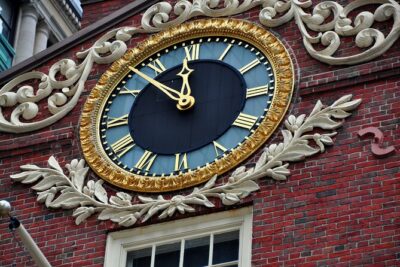 ★ 5.0Freedom Trail History Small Group Walking TourFrom $356,450 reviews
 ★ 4.5Boston Freedom Trail Walking Tour with Costumed GuideFrom $262,531 reviews
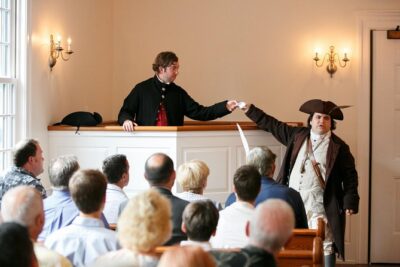 ★ 4.5Boston Tea Party Ships and Museum AdmissionFrom $352,512 reviews
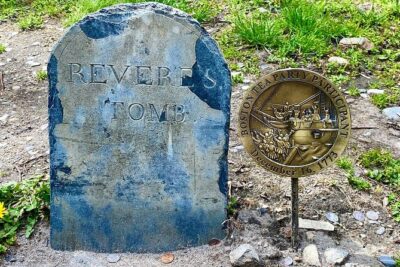 ★ 5.0The Full Revolutionary Story Epic Small Group Boston Walking TourFrom $552,356 reviews
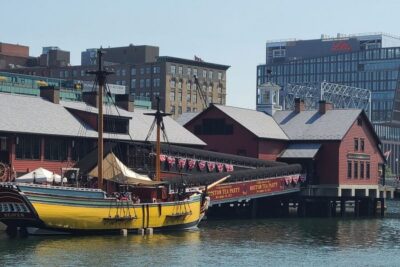 ★ 4.8Boston Tea Party Ships and Museum Interactive TourFrom $351,926 reviews
 ★ 5.0Boston Food & History: Pizza, North End & Freedom TrailFrom $901,772 reviews
 ★ 4.9Boston’s Freedom Trail: A Revolutionary Walking TourFrom $311,748 reviews
★ 4.9Freedom Trail History Small Group Walking TourFrom $351,590 reviews
★ 4.9Boston’s Freedom Trail: A Revolutionary Walking TourFrom $311,748 reviews
★ 4.9Freedom Trail History Small Group Walking TourFrom $351,590 reviews
Browse the lists this tour appears in