
REVIEW · FREEDOM TRAIL & REVOLUTION WALKS
Relive 1776: Interactive AR Experience on The Freedom Trail
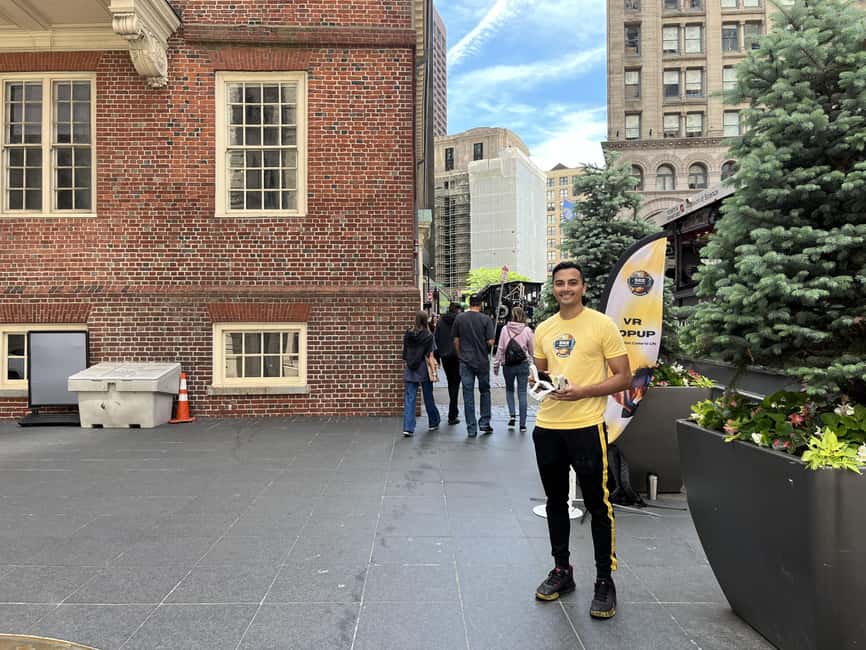
History steps out of the street with AR. On Boston’s Freedom Trail, Relive 1776 uses augmented reality headsets and phone scenes to replay 1765–1775 right where the landmarks stand. It’s a smart way to turn a set walking route into something active, timed, and surprisingly personal.
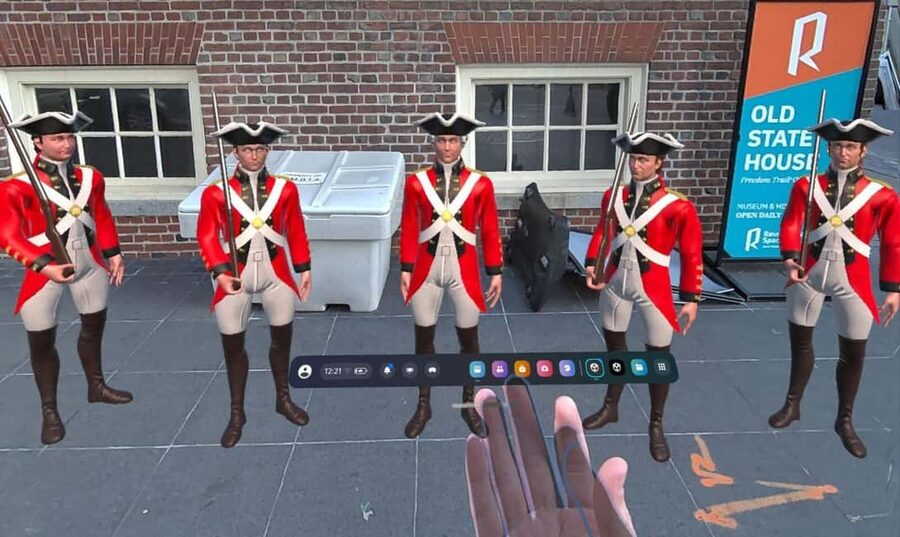
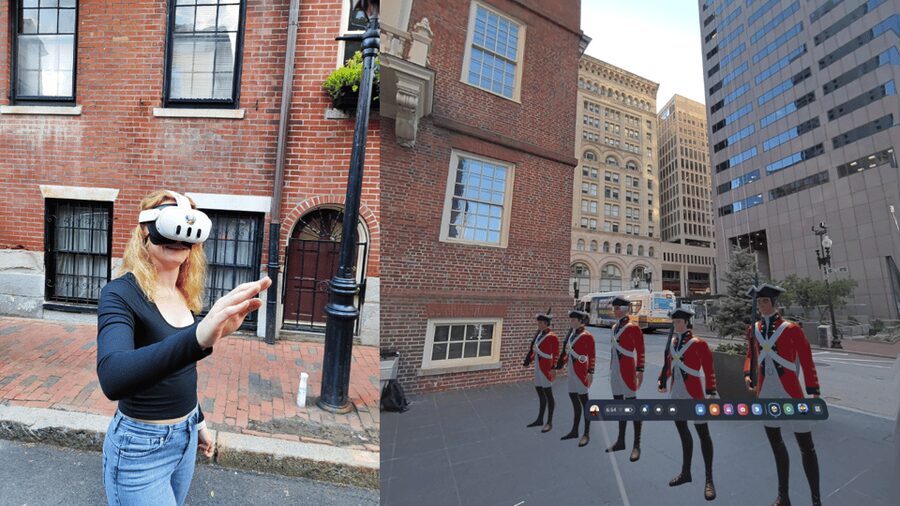
I love the way the characters react as you make choices, so it doesn’t feel like passive movie-watching. I also really liked the attention to look-and-feel—historically accurate English soldiers and detailed Boston backdrops make the scenes feel placed, not pasted on. In one standout moment, a guide like Dylan was especially good at explaining how the tech work stays aligned to the real street.
One heads-up: there’s gun action in the adult experience. No gore, but if loud or realistic battlefield moments make you tense, consider the kids version (it’s designed without guns), and note it’s not listed as suitable for people with epilepsy or heart problems.
In This Review
- Key things to know before you go
- Why this AR Freedom Trail tour feels different
- The core idea: watching 1770s Boston happen around you
- Stop-by-stop: how the scenes line up across Boston
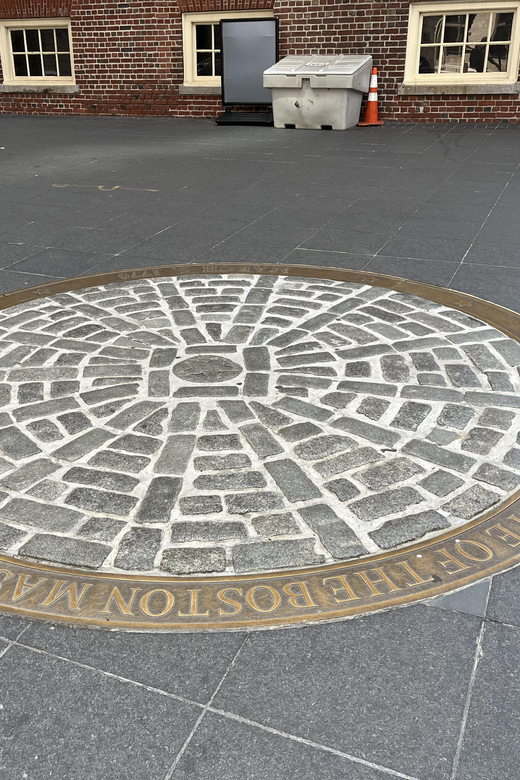
- Boston Massacre area: start near the tension point
- Boston Common: meeting leaders under the Great Elm Tree
- Old State House: the Revolution’s paperwork energy
- Paul Revere House: the hometown momentum
- Bunker Hill: where the final act lands
- AR vs VR: why you likely won’t feel motion sickness
- The price question: is $30 worth it?
- Who will love it (and who should think twice)
- Small-group flow: what it’s like on the ground
- What to do before you go so it feels smooth
- Souvenir and little extras that add fun
- Should you book Relive 1776 on the Freedom Trail?
- FAQ
- How much does Relive 1776 cost?
- How long is the Relive 1776 AR tour?
- Where does the tour start?
- Where does the tour end?
- What tech do they use during the tour?
- Is there a live guide?
- Is the experience wheelchair accessible?
- Is there gore in the simulation?
- Is there a kids version?
- Is it suitable for people with epilepsy or heart problems?
Key things to know before you go
- A 5-part AR story from 1765 to 1775, staged across major Freedom Trail stops
- AR headsets plus mobile-phone AR, with some scenes on the phone and others on the provided gear
- Characters that respond to you, including British soldiers and colonists in the real-world view
- Non-gory simulations, with a kids option that removes guns from the scenes
- A small group cap of 10, plus a live English-speaking guide to keep it clear and fun
Why this AR Freedom Trail tour feels different
Boston’s Freedom Trail is already good. You walk, you read signs, you take photos, and the story forms in your head. Relive 1776 adds a layer that changes the whole experience: you see events play out in the actual space around you.
Instead of only learning what happened, you’re asked to participate in short, choice-based moments. That turns the walk into a sequence of mini-scenes, each one tied to a specific location along the trail. And because it’s augmented reality (AR), not VR, you keep seeing the real world at all times, so your sense of balance and safety stays normal.
The best part is that it covers a tight historical window—1765 through 1775—so you get a clean chronological arc. You don’t have to hunt for connections across dozens of years. The story is doing the organizing for you.
The core idea: watching 1770s Boston happen around you
The tour is built as a 5-part interactive AR experience that replays key moments across the Freedom Trail. Think of it like a scripted timeline, but with you positioned inside it. The characters show up as 3D figures in the real environment, and they can react based on what you choose during the scenes.
You’ll see a mix of encounters, tasks, and action moments. The adult version includes things like trying on colonial-style clothing and operating a historically accurate field cannon. There’s no gore, which matters for comfort, especially if you’re traveling with kids or anyone who doesn’t like graphic content.
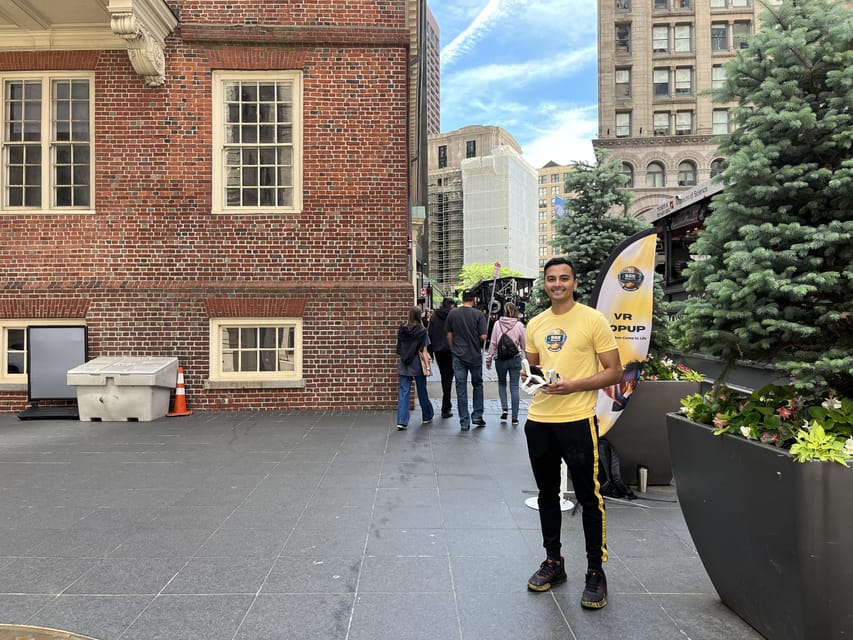
Also note the tech split: three experiences use mobile phone AR, and two use provided AR headsets. You’ll follow what your guide tells you, but it helps to know you might switch between phone and headset moments. The rental gear comes sanitized, and they provide an optional fresh facial cover.
The red brick line keeps going. More Trail walks here
Stop-by-stop: how the scenes line up across Boston

This isn’t just a “walk to five spots and watch stuff.” Each location has its own mini story, and the guide keeps the timing moving so you don’t fall behind. You can often go at your own pace, and you can skip stops if you’re short on time, but the full five-stop arc is where the payoff lives.
Boston Massacre area: start near the tension point
Your tour starts at one of two options: the Boston Massacre Site or the Commodore John Barry Memorial. Either way, you’re beginning close to the kind of charged atmosphere that makes the next steps make sense.
This first segment sets the tone. It’s the point where the story shifts from political argument to real pressure on the streets. In an AR setting, that matters: the scene is staged where you’d expect emotions to be high, not in a museum room.
A practical tip: arrive ready to look around. AR works best when you stand where your guide directs you and keep your head positioned similarly during the short sequence.
Boston Common: meeting leaders under the Great Elm Tree
Next comes Boston Common, guided and focused. This is where you meet major Revolutionary figures—Paul Revere, John Hancock, and Samuel Adams—under the Great Elm Tree.
For me, this stop is the “story anchor.” You’re not just learning names; you’re seeing them become characters in a live moment. AR is doing the trick here: instead of reading about relationships and plans, you get to witness the story connections form in front of you.
The scene timing is short, and you move on quickly to the next stop, so it doesn’t feel like you’re stuck in one place for a long time.
Old State House: the Revolution’s paperwork energy
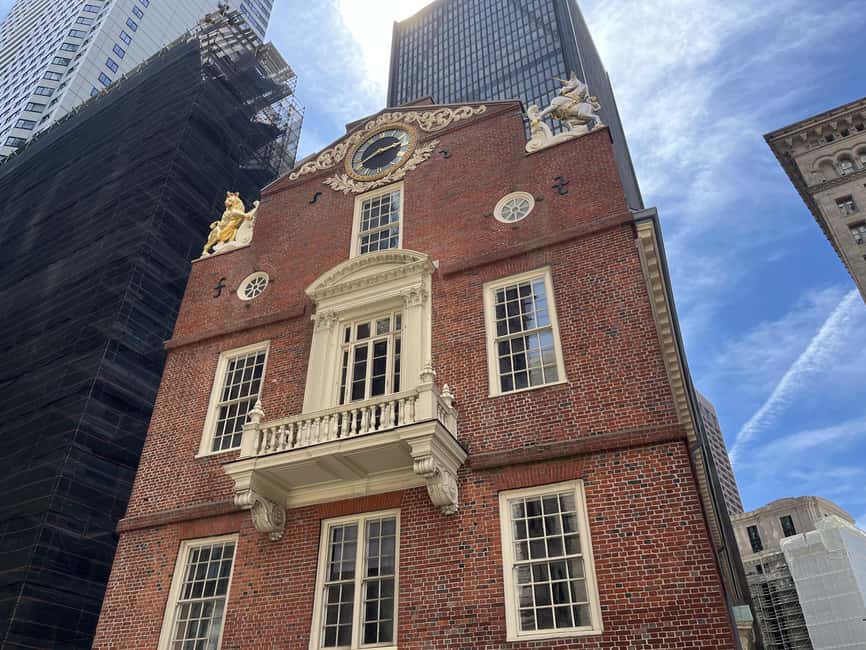
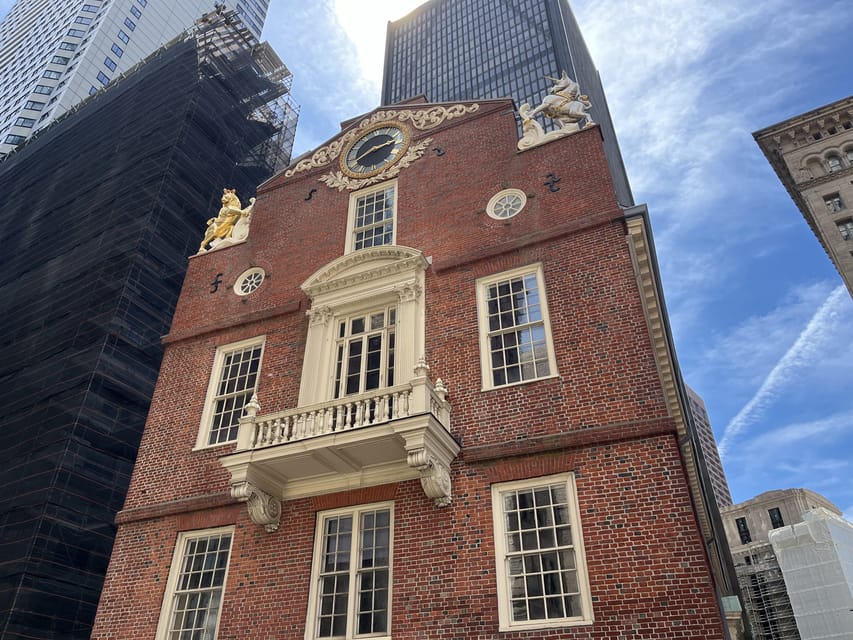
Then you head to the Old State House for a guided segment. This stop works especially well if you like understanding the logic behind events, because the Revolutionary story wasn’t only made by battles.
In an AR tour format, Old State House turns from a brick landmark into a stage. The characters and reactions you see help show how political decisions became public conflict. If you’ve ever felt like the Freedom Trail explains the outcome but not the buildup, this is where you start getting that buildup.
- Boston Duck Boat Sightseeing City Tour with Cruise Along Charles River★ 4.5 · 9,378 reviews
- Boston: Freedom Trail History Small Group Walking Tour★ 5.0 · 6,450 reviews
- Boston Hop-On Hop-Off Trolley Tour with 13 Stops★ 4.5 · 5,576 reviews
- Boston Duck Tour: The Original and World-Famous★ 4.6 · 3,935 reviews
- Harvard University Campus Guided Walking Tour★ 4.5 · 3,632 reviews
Paul Revere House: the hometown momentum
After that, you visit the Paul Revere House for a shorter guided segment. This is the stop that leans into the personal side of the Revolution—familiar figures, local intensity, and the feeling that history is running on real human nerves.
You’ll continue the timeline, and you’ll also get more of the interaction. AR here makes the story feel less like a distant lecture and more like what it might have felt like to stand there while plans were forming.
One small logistics note: the tour includes transportation from Paul Revere House to Bunker Hill. That’s a relief if you’re already walking a lot, or if you’re combining this with other Boston plans.
Bunker Hill: where the final act lands
The final stop is the Bunker Hill Monument area. The tour ends here, and this is the one you’ll remember most if you’re a “big scene” person.
This is where you’ll see the last AR moments and the story’s emotional crescendo. It also helps that Bunker Hill is such a recognizable destination already. When AR layers characters and action onto a site you can visually locate, your brain locks it in.
If you’re trying to schedule your day, I’d treat this as your peak. Plan to arrive with enough energy for the last segment, because the realism and action moments can be a lot of fun—and a lot to absorb.
AR vs VR: why you likely won’t feel motion sickness
Relive 1776 uses AR, not VR. That’s not just marketing talk. With AR, you can see the real world around you throughout the experience, which means you don’t get the visual “disconnect” some people feel in VR.
The tour also avoids gore in the simulation. So even if you’re not into battle scenes, you can still enjoy the educational side without watching graphic violence.
Tech comfort is also tied to the hardware: sanitized AR headsets are used for participants, and they provide a fresh facial cover option. Sharing VR gear is usually a worry for many people, but in this case the sanitation step is clearly part of how they manage it.
If you’ve never used an AR headset before, don’t overthink it. The guide is there for the short moments that need alignment, and the scenes are designed to be quick and interactive rather than long and wandering.
The price question: is $30 worth it?
$30 per person isn’t a bargain, but it’s also not a huge splurge for Boston. The value comes from three things you don’t get from a standard walking tour:
First, you’re paying for the AR layer—the characters, the reactions, and the “history in place” effect. That tech is the main product, not a minor extra.
Second, you’re paying for a live guide with hands-on explanations during the experience. One guide name that came up for strong tech knowledge is Dylan, and the point is bigger than a single person: the guide helps you get the most out of the headset/phone moments.
Third, you’re paying for a tight experience length. Duration can run from 30 minutes up to 2 hours depending on timing and how your group moves. That gives you control if you’re juggling a packed itinerary.
If your ideal Boston day is walking, reading, and photos, a standard Freedom Trail tour might be enough. If you want to feel the story as you stand in the locations, this is a high-impact use of time.
Who will love it (and who should think twice)

This tour is a good match for history fans who want more than signage. It’s also great for people who like technology when it has a real purpose. AR is being used here to connect events to place, not to create a fake theme-park world.
It’s also a smart choice for first-time Boston visitors. The Freedom Trail can be overwhelming because it’s so many stops and so many names. This AR format does some of the sorting for you by presenting events in a 1765–1775 chronological run.
Family tip: there is a kids version that removes guns. If you’re bringing kids, that’s the best way to keep the excitement without the adult-level tension. For adults who scare easily, the adult version can genuinely feel intense because the scene includes realistic gun moments, even though there’s no gore.
Important cautions from the tour info: it’s not suitable for people with epilepsy or heart problems. Also, you might want to skip if you know you get anxious around action and loud conflict moments.
Small-group flow: what it’s like on the ground
The group size is limited to 10 participants, which is a big quality lever. Larger groups can drag down a walking tour because people constantly get separated. A smaller cap helps keep the pacing tight, and it makes it easier to position for the AR scenes.
You also get skip-the-ticket-line and a live guide in English. Since you’re dealing with headsets and phone AR at multiple stops, having clear instruction matters. This isn’t a “press start and figure it out” kind of activity.
It’s wheelchair accessible, which is a positive detail if mobility is part of your planning. The route still involves moving between sites, but it’s built with accessibility in mind.
What to do before you go so it feels smooth
You’ll enjoy this more if you treat it like a guided experience, not a casual walk. Here are a few practical moves:
- Arrive with time to get oriented before your scene begins, especially if you’re starting at Boston Massacre Site or Commodore John Barry Memorial.
- Wear comfortable shoes and keep your phone battery topped up for any phone AR portions.
- Stand where the guide asks during the AR moments. Small shifts can reduce how convincing the character alignment looks.
- If you’re traveling with someone sensitive to gun action, ask about the kids version early.
Also, check what kind of day you’re planning. If you’re already exhausted from museum hopping, this can still work because the scenes are broken into short segments and there are guided moments. But it’s best when you’re awake enough to follow the story.
Souvenir and little extras that add fun

There’s a quirky add-on: an Illegal Tea souvenir, described as a reusable tea bag with a discount card. It’s not what you’re paying for, but it’s a nice “takeaway” tied to Boston personality.
You also get an optional fresh facial cover for participants. That’s a small thing, but it makes the headset experience feel more considerate, especially for repeat-travelers who don’t love shared gear.
Should you book Relive 1776 on the Freedom Trail?
Book it if you want the Freedom Trail story to feel physical instead of just read-and-remember. The combination of AR characters, interactive choices, and a clear 1765–1775 timeline makes this one of the more memorable Boston history activities—especially for first-timers and anyone who likes tech used with purpose.
Skip or choose the kids version if realistic gun action might be stressful for your group. Also skip it if you’re dealing with epilepsy or heart issues, since the tour is not listed as suitable for those conditions.
If you like your Boston days active, guided, and a little bit futuristic, this is one of the easiest “yes” decisions you’ll make.
FAQ
How much does Relive 1776 cost?
It costs $30 per person.
How long is the Relive 1776 AR tour?
The duration is listed as 30 minutes to 2 hours, depending on the starting time you select.
Where does the tour start?
The start location can vary based on the option booked. It may begin at the Boston Massacre Site or at the Commodore John Barry Memorial.
Where does the tour end?
The activity ends back at the meeting point. Drop-off locations include the Boston Massacre Site or Bunker Hill Monument, depending on the option booked.
What tech do they use during the tour?
Three parts use mobile phone AR, and two parts use AR headsets provided by the operator.
Is there a live guide?
Yes. A live tour guide leads the experience in English.
Is the experience wheelchair accessible?
Yes, it is wheelchair accessible.
Is there gore in the simulation?
No gore is included.
Is there a kids version?
Yes. There’s a kids version that is available without guns.
Is it suitable for people with epilepsy or heart problems?
No. The experience is not suitable for people with epilepsy or heart problems.
More of the Boston Ledger




Follow the Red Bricks Further



New on the Boston Docket
- Boston to Newport Mansions Private Day Trip
★ 5.0 · 3 reviews - Boston Massachusetts Private Photography Tour
★ 5.0 · 3 reviews - Homemade Dumplings 101 in Boston
★ 3.5 · 3 reviews - Self-Guided Audio Tour of Boston North End
★ 4.5 · 3 reviews - Old Boston: Beacon Hill & Back Bay Walking Tour in French
★ 4.7 · 3 reviews
Freedom Trail & Revolution Walks, compared.
 ★ 5.0Freedom Trail History Small Group Walking TourFrom $356,450 reviews
 ★ 4.5Boston Freedom Trail Walking Tour with Costumed GuideFrom $262,531 reviews
 ★ 4.5Boston Tea Party Ships and Museum AdmissionFrom $352,512 reviews
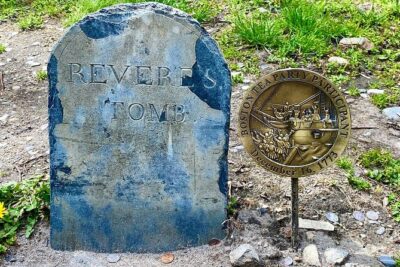 ★ 5.0The Full Revolutionary Story Epic Small Group Boston Walking TourFrom $552,356 reviews
 ★ 4.8Boston Tea Party Ships and Museum Interactive TourFrom $351,926 reviews
 ★ 5.0Boston Food & History: Pizza, North End & Freedom TrailFrom $901,772 reviews
 ★ 4.9Boston’s Freedom Trail: A Revolutionary Walking TourFrom $311,748 reviews
★ 4.9Freedom Trail History Small Group Walking TourFrom $351,590 reviews
★ 4.9Boston’s Freedom Trail: A Revolutionary Walking TourFrom $311,748 reviews
★ 4.9Freedom Trail History Small Group Walking TourFrom $351,590 reviews
Browse the lists this tour appears in