
REVIEW · BOSTON TRUE CRIME & MOB WALKS
Boston: In Cold Blood True Crime Guided Walking Tour
Boston has a dark side you can walk through. This 2-hour true-crime stroll starts in the Boston Public Garden and connects real locations to cases like Jane Toppan, plus duels, unsolved murders, and financial schemes. I especially like that the stories stretch from the 17th century to today and that the guide brings them to life with clear pacing and real local detail. One possible drawback: it’s a walking tour of about a mile-plus, and it’s not recommended if you can’t do that comfortably.
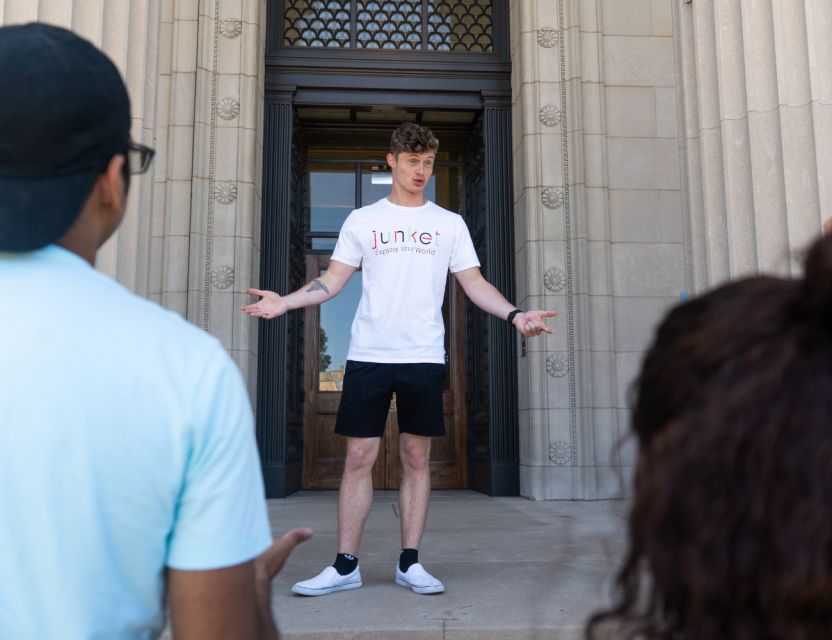
If you want an easy entry point, the meeting setup is simple: you meet at the George Washington Statue in the Public Garden. The guide wears a white Junket t-shirt and carries a flag, so you’re not guessing who to follow. In past tours, guides such as Freddie and Andrew have been singled out for being very prepared and easy to listen to, with room for questions when the group is small.
The tour runs rain or shine, and it’s in English with a live guide. You’ll cover a total of 13 crime stories across 12 additional stops, with “scheme” stories mixed in alongside murder cases—so it’s not just a parade of gore. Just know there are restrictions like no video recording, no smoking, and no alcohol or drugs during the walk.
In This Review
- Key things to know before you go
- Starting at the George Washington Statue: Public Garden’s Role in the Dark Stories
- 13 Crimes, 400 Years: How the Tour Frames Boston’s Reputation
- Jane Toppan and the Serial-Killer Thread Through Colonial Boston
- Duels, Testimony, and Unsolved Questions: Benjamin Woodbridge and Karina Holmer
- Schemes That Changed Boston: Clark Rockefeller and the Ponzi Origin Story
- Old Granary Burial Ground and the Body-Snatching Chapter
- How the Guide Keeps Pace on a 2-Hour Walking Loop
- Price and Logistics: Is $35 Fair for a 2-Hour Walk
- Who This Tour Is Best For (and Who Should Skip It)
- Should You Book the Boston In Cold Blood True Crime Tour?
- FAQ
- Where is the meeting point for the Boston true crime walking tour?
- How long does the tour last?
- How much does the tour cost?
- How many crime stories are included?
- Is the tour canceled if it rains?
- What should I bring for the walk?
- Is video recording allowed?
- Is the tour wheelchair accessible?
- What language is the guide in?
Key things to know before you go

- 13 crime stories across 400+ years: from the 1600s all the way to cases involving modern policing.
- Jane Toppan kicks things off: you start with one of America’s earliest serial-killer stories at the Public Garden.
- Unsolved and contradictory testimony: the tour includes cases like the Karina Holmer murder and explains why investigators got stuck.
- Big-name schemers and Ponzi origins: you’ll hear the origin story behind Charles Ponzi, plus connections to figures like Clark Rockefeller.
- A burial-ground body-snatching chapter: the Old Granary Burial Ground is part of the walk’s darker themes.
- It can feel small and personal: some groups have run with only a couple of people, which makes Q&A easier.
Starting at the George Washington Statue: Public Garden’s Role in the Dark Stories

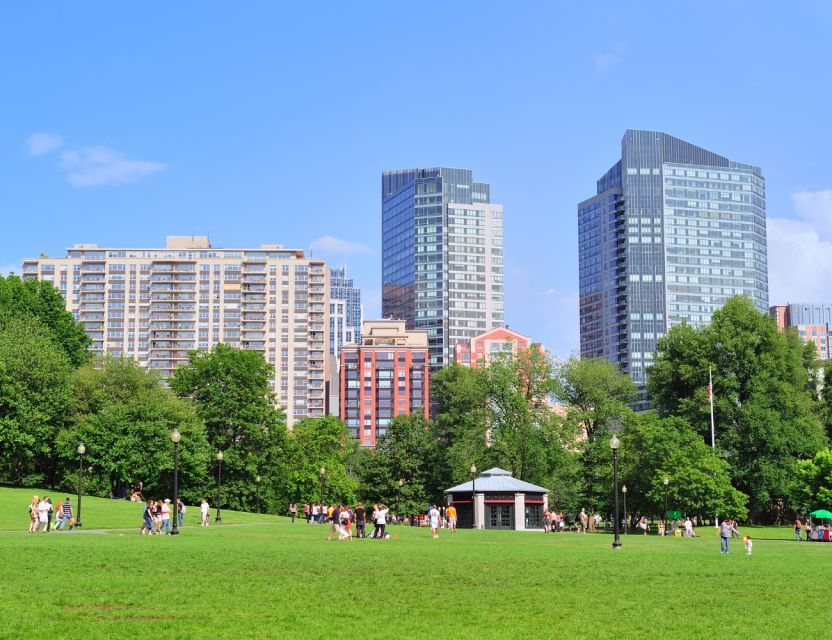
The tour begins where a lot of visitors first slow down: the Boston Public Garden, at the George Washington Statue. Starting there matters. You get a quick mood shift before the walking starts—this is a place many people associate with calm paths and classic views, but the guide uses it as a launchpad into crimes that don’t care about postcard prettiness.
From there, you move through Boston’s streets at a steady pace, with the guide guiding your attention to details you’d probably miss on your own. You’re not just reading plaques; you’re being handed the “why this spot matters” behind each stop. If you’ve ever wandered the Freedom Trail and wondered what happened off the main story, this gives you a different lens.
Because the tour is rain or shine, I’d plan like you’re out for a casual walk in the weather. Comfortable shoes are a must; the experience is built on you being able to keep moving. Also, the “no video recording” rule means you’ll be paying closer attention to what the guide is saying rather than collecting clips.
13 Crimes, 400 Years: How the Tour Frames Boston’s Reputation
What makes this tour work is its time span. You’re hearing 13 crime stories that cover centuries of violence, schemes, and unresolved questions. That structure turns Boston into more than a museum city. It becomes a place where the past keeps showing up in unexpected ways—sometimes in buildings, sometimes in burial grounds, and sometimes in the pattern of crime itself.
You’ll hear about executions, duels, strikes, and schemes—so the theme is wider than “serial killer.” One minute the story is about personal violence, and the next it’s about fraud that reshaped people’s lives. That mix can be jarring if you expect a single type of case, but it’s also what makes the tour feel like a true city tour instead of a single-plot retelling.
I also like the way the tour positions crime as a window into Boston. When the guide connects each case to the city’s changing eras, you start noticing the human side of history: fear, greed, rumor, and the limits of evidence. Even when cases don’t resolve neatly, you learn how investigators thought and why certain questions couldn’t be answered the way we might expect today.
If you like your facts grounded, this tour aims for “credible history.” Guides have been praised for having done their homework and for explaining details clearly enough that even someone who knows Boston can still learn something new.
Boston kept receipts on its criminals. The other case files

Jane Toppan and the Serial-Killer Thread Through Colonial Boston

The first real emotional punch comes right at the start: the walk opens with Jane Toppan, described as one of America’s earliest serial killers. You don’t have to be a true-crime superfan to see why this works as a kickoff. Starting with a case like this gives the guide a strong storytelling anchor and sets a tone for the rest of the route.
What I find useful here is the framing. Instead of only naming the crimes, the guide connects the story to a broader Boston timeline. That makes the case feel less like a random shock and more like a part of how the city functioned—how people lived, trusted, and were protected (or not) when something went wrong.
This is also where you’ll feel the difference between a generic “spooky tour” and a history-driven one. In past tours, people praised guides—like Freddie and Andrew—for being able to answer questions and for keeping the pace comfortable. If you’re the type who likes details, this part is often where you’ll want to ask follow-ups, because serial-crime stories raise natural questions about motives, methods, and how evidence was handled.
Just remember the topic is heavy. If you know you’re sensitive to murder stories, this tour’s early start can feel intense—because it doesn’t ease in.
Duels, Testimony, and Unsolved Questions: Benjamin Woodbridge and Karina Holmer
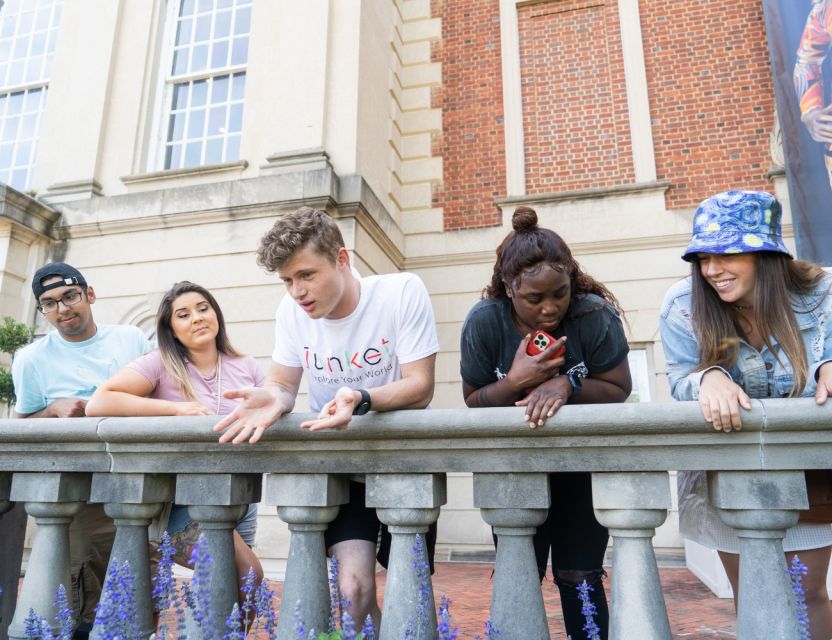
Half the fun of a true-crime walking tour is that you get to stand at specific places and hear the chain of events. This one includes that kind of “stand right there” storytelling, especially with the duel story tied to Benjamin Woodbridge. You’ll stand at the spot where he fell after an 18th-century duel, and the guide explains the chaotic aftermath.
The tone here can shift quickly. Duels create a different kind of mystery than serial cases. The issue becomes what people said, what witnesses claimed, and how conflicting accounts can derail an investigation. The tour leans into that uncertainty in a big way.
Then you get to a modern unsolved case: the Karina Holmer murder. The tour highlights contradictory testimony that left investigators stumped. That’s a smart inclusion because it lets you compare eras. You can see how evidence problems look different across time, but they can still lead to the same outcome: answers you don’t get.
If you enjoy mysteries that don’t tie up neatly, you’ll probably like this section a lot. It’s also where the guide’s clarity matters. Several people praised Andrew for pacing well and for being easy to listen to while sharing details. Good pacing keeps the story from feeling like a lecture, especially when the subject matter is already intense.
Schemes That Changed Boston: Clark Rockefeller and the Ponzi Origin Story

Not all crime here is violent. A big chunk of the tour focuses on schemers—people whose scams harmed others by playing on trust and ambition. The tour includes famous names like Clark Rockefeller and Charles Ponzi, and it zeroes in on the origin story behind the Ponzi scheme.
This part is surprisingly valuable if you care about history that connects to everyday life. Financial fraud isn’t just a cautionary tale; it’s a reminder that people can be convinced by big promises, slick stories, and the fear of missing out. The tour uses Boston sites to show how those dynamics played out in real time.
If you’ve heard of Ponzi but not the early context, this is the moment you’ll likely want to pay close attention. Origin stories help because they fill in the “how did this start” gap. And when you hear it while walking through Boston, it feels less like a textbook and more like a timeline that happened in your own city.
Also, a note on storytelling balance: guides are often praised for being responsive to questions. If you’re the curious type, you’ll likely get good answers here, since fraud cases raise lots of practical questions like how schemes spread and how people defended themselves.
Old Granary Burial Ground and the Body-Snatching Chapter
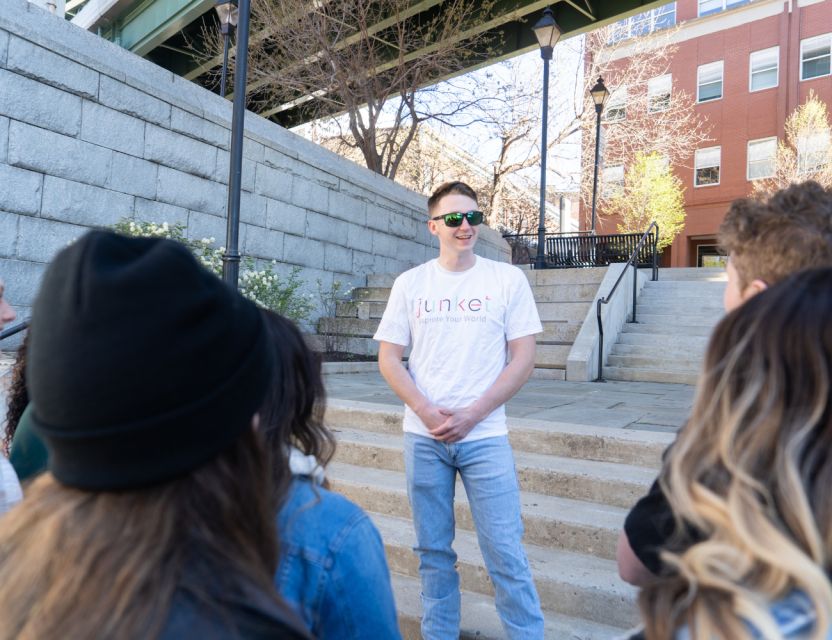
Every city tour has at least one stop where you suddenly realize the past isn’t polite. Here, that moment comes with the Old Granary Burial Ground and the history of body snatching.
This is one of those topics that can sound like sensational “true crime for fun.” The tour doesn’t treat it that way. Instead, it frames it as a real part of Boston’s history—something tied to the way people lived, practiced medicine, and handled the boundaries of respect and legality.
Standing at a burial ground gives the story physical weight. You’re not just hearing about theft or medicine; you’re looking at a location that makes the ethics harder to ignore. If you’re a fan of the darker side of history, this segment tends to land well because it turns “crime” into a social issue.
It’s also a good pacing moment. After murder cases and scheme stories, a burial-ground stop can feel like a different kind of reflection. You still get the unsettling facts, but you also get context on how the city’s systems worked.
Boston was built for walking. More routes
- Boston: Freedom Trail History Small Group Walking Tour★ 5.0 · 6,450 reviews
- Harvard University Campus Guided Walking Tour★ 4.5 · 3,632 reviews
- Boston Freedom Trail Walking Tour with Costumed Guide★ 4.5 · 2,531 reviews
- The Full Revolutionary Story Epic Small Group Boston Walking Tour★ 5.0 · 2,356 reviews
- Boston’s Freedom Trail: A Revolutionary Walking Tour★ 4.9 · 1,748 reviews
How the Guide Keeps Pace on a 2-Hour Walking Loop
This tour is built to last about 2 hours, with a total of 12 other stops after the initial meeting point. That time frame matters. It’s long enough to feel like you’ve learned something real, but short enough that the experience stays active instead of drifting into “sit and suffer.”
The biggest thing I’d look for is guide delivery. In the feedback, Freddie and Andrew are both praised for knowledge and for keeping a good pace. That’s exactly what you want on a walking tour with heavy themes. If the guide drags, the story loses power. If the guide rushes, you miss the details that make the places meaningful.
Another plus: when the group is small, the tour becomes more conversational. One person noted a group size of just two, which naturally creates one-on-one attention. Even if you don’t have that same situation, the structure makes it easy to ask questions because you’re stopping often.
The tour also includes a note about skipping the line through an express security check. I wouldn’t overthink it, but it’s a helpful detail if the start area has any sort of screening. In practice, it tends to mean less waiting and more walking time.
Price and Logistics: Is $35 Fair for a 2-Hour Walk
At $35 per person, this is priced for a serious story without being a full-day commitment. For that price, you’re buying a guide who can connect multiple eras of Boston crime to specific spots, plus the convenience of a pre-set route.
The best value here is the range: 13 stories in two hours is a lot of content. You’re not paying for one famous case and then moving on. You’re paying for variety—serial killer history, duels, an unsolved murder with contradictory testimony, and fraud stories like the Ponzi origin.
What you should plan for:
- Bring comfortable shoes and weather gear, because it runs rain or shine.
- Expect a walking pace that’s meant for people who can handle more than a mile on foot.
- Leave space for questions if your guide is responsive; past guides like Andrew are praised for answering what you ask.
Small rules matter too. No smoking, no alcohol or drugs, and no video recording keep the atmosphere focused. You’ll probably want to keep your phone away anyway, since the guide’s narration is the whole point.
Also consider this: the tour is in English, and the experience is described as wheelchair accessible, yet it also says it’s not recommended for people who can’t walk more than a mile and says it’s not suitable for people with mobility impairments. If that’s you, I’d treat the “mile” warning as the deciding factor.
Who This Tour Is Best For (and Who Should Skip It)

This is a great fit if you like history that feels real, not polished. If you enjoy true crime but also want context, the time range and mix of cases helps. You’ll likely enjoy it most if you like stories with evidence issues, unanswered questions, and the way social systems shaped outcomes.
It’s also good for first-time visitors to Boston who want a change of pace from the standard monuments. You start in the Public Garden, then you keep walking into the city’s darker corners. If you only do the usual sights, you’ll still leave with a fuller sense of how Boston has always been a working, sometimes messy place.
Skip it if:
- You can’t handle about a mile of walking.
- You prefer light, upbeat topics.
- You’re not comfortable with murder and serial-killer subject matter.
Should You Book the Boston In Cold Blood True Crime Tour?
If you want a 2-hour way to see Boston through the lens of crime and consequence, this tour is a solid choice. The strongest reasons to book are the breadth of cases—13 stories from the 1600s to today—and the fact that guides like Freddie and Andrew are repeatedly praised for preparation, pace, and answering questions.
If you hate heavy themes or you’re limited on walking, it’s not for you. But if you can handle a steady stroll and you’re curious about what fear, greed, and unanswered questions reveal about a city, I think you’ll get your money’s worth from a tour like this.
FAQ
Where is the meeting point for the Boston true crime walking tour?
Meet your guide at the George Washington Statue in Boston Public Garden.
How long does the tour last?
The tour lasts 2 hours.
How much does the tour cost?
It costs $35 per person.
How many crime stories are included?
The tour covers 13 crime stories.
Is the tour canceled if it rains?
No. The tour takes place rain or shine.
What should I bring for the walk?
Wear comfortable shoes and bring weather-appropriate clothing.
Is video recording allowed?
No. Video recording is not allowed.
Is the tour wheelchair accessible?
The activity is listed as wheelchair accessible, but it also says it is not recommended for people who cannot walk more than a mile and that it’s not suitable for people with mobility impairments.
What language is the guide in?
The tour guide provides the tour in English.
On Foot Through Old Boston


More of the Boston Ledger



Boston Under the Streetlight




New on the Boston Docket
- Boston to Newport Mansions Private Day Trip
★ 5.0 · 3 reviews - Boston Massachusetts Private Photography Tour
★ 5.0 · 3 reviews - Homemade Dumplings 101 in Boston
★ 3.5 · 3 reviews - Self-Guided Audio Tour of Boston North End
★ 4.5 · 3 reviews - Old Boston: Beacon Hill & Back Bay Walking Tour in French
★ 4.7 · 3 reviews
Boston True Crime & Mob Walks, compared.
 ★ 5.02-Hour Beacon Hill True Crime Expert Guided TourFrom $35182 reviews
 ★ 5.0Boston Crime TourFrom $3475 reviews
 ★ 5.0Mobsters, Mayhem and Murder Walking TourFrom $2967 reviews
 ★ 5.0Beacon Hill True Crime Walking TourFrom $3519 reviews
 ★ 4.0True Crime Tour of BostonFrom $3217 reviews
 ★ 4.0North End Boston Mafia Exploration Game and TourFrom $79 reviews
Browse the lists this tour appears in