
REVIEW · BOSTON TRUE CRIME & MOB WALKS
True Crime Tour of Boston
Boston has a darker side. This 2-hour true crime walk ties real cases to big, familiar landmarks, with a guided narrative that keeps heavy material structured. You get history you can see with your own two eyes, not just read on a screen.
I especially like the small group setup (max 20) and the way the pace feels built for an afternoon stroll. Guides like Kai, Andrew, and Kyle reportedly keep the stories lively with humor and clear storytelling, so the walk stays easy-going instead of stressful.
One thing to consider: the experience can depend on the guide’s delivery. Some people felt a guide read word-for-word, and one reported a no-show, so it’s smart to double-check your confirmation before you head out.
In This Review
- Key Things You’ll Notice on This Boston True Crime Tour
- Why This Boston True Crime Tour Feels Different From the Usual Scares
- Meeting Point to Mary Dyer: How the 2 Hours Actually Play Out
- The Stop-by-Stop Walk: Ether, Bombings, Ponzi, and Courtrooms
- Stop 1: Boston Public Garden and the Ether Monument
- Stop 2: Boston Marathon Survivor Memorial
- Stop 3: Copley Square and the Craiglist Killer Haunt
- Stop 4: Central Burying Ground and Grave Robbing
- Stop 5: Emerson College and the Hitchhiker Killer
- Stop 6: Parkman Bandstand and the Parkman Family’s Debt and Death
- Stop 7: Boston Common Frog Pond and a Suicide Attempt Story
- Stop 8: 27 School St and Charles Ponzi’s Fraud
- Stop 9: John Adams Courthouse and a Trial Close to the End of the Story
- Stop 10: Massachusetts State House and Mary Dyer’s Execution
- Price and Value: Getting Your Money’s Worth at $32
- Guides, Tone, and How to Pick the Right Expectations
- Who This Tour Suits Best (and Who Might Want Something Else)
- Should You Book This True Crime Tour of Boston?
- FAQ
- How long is the True Crime Tour of Boston?
- What does the tour cost?
- Where does the tour start and where does it end?
- What time does the tour begin?
- Is admission included for the stops?
- Does the tour use a mobile ticket?
- How big is the group?
- Can I cancel and get a refund?
- FAQ
- Is this tour offered in English?
- Are service animals allowed?
- Is food and drink included?
- What’s the walking effort level?
- Do I need to wait for confirmation?
- Is there a free cancellation window?
Key Things You’ll Notice on This Boston True Crime Tour
- 10 short stops at famous Boston landmarks, each giving you a focused story beat
- Free admission at every stop, so the $32 cost is mainly paying for the guiding and context
- Case variety that goes beyond serial killers, from the Boston Marathon bombing to Ponzi
- Sensitive topics presented in a respectful structure, which helps keep the mood from going off the rails
- A relaxed walking pace that works well for a weekend afternoon
- You’re outdoors the whole time, so good walking shoes matter
Why This Boston True Crime Tour Feels Different From the Usual Scares
Boston is famous for beauty and polish. That’s exactly why this tour hits: you’re learning about crimes and courtroom drama while standing in places that normally feel peaceful and well-lit.
What I like most is the framing. Instead of turning tragedy into cheap shock, the tour aims to explain historical context behind real criminal cases, with a narrative that stays structured and respectful. That matters because several stops involve serious harm, death, and public fear. A good guide keeps it human and grounded.
Another smart choice is the route itself. You don’t bounce across town. You move through iconic areas like Boston Public Garden, Copley Square, Boston Common, and the Massachusetts State House area. The city becomes your timeline, and the stories make spatial sense fast.
Meeting Point to Mary Dyer: How the 2 Hours Actually Play Out
This is a walking tour that runs about 2 hours. It starts at the George Washington Statue in Boston and ends near the Massachusetts State House at the Mary Dyer statue. The start time is 3:00 pm, and the tour is offered in English.
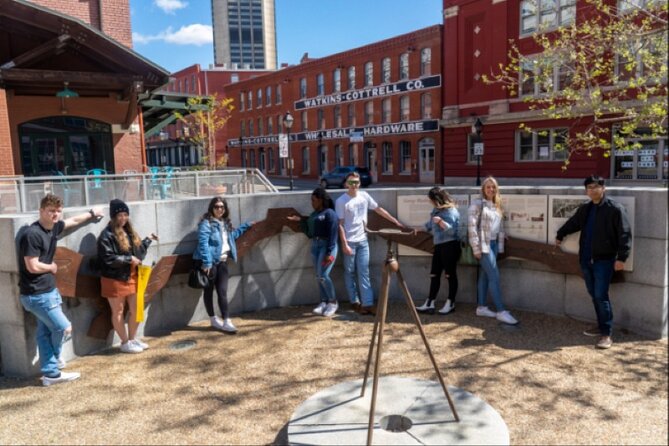
The practical rhythm is a series of quick, story-focused stops. Each location is around 12 minutes, which is a nice format if you want real detail but don’t want to sit with a lecture voice for hours. With a maximum group size of 20, you’re more likely to hear clearly and keep your place as you move.
You’ll also appreciate that admission is free at each stop. So you’re paying for the guide’s work—research, explanation, and connecting the dots between crime, law, and the city’s physical layout—rather than for ticketed museum time.
Boston kept receipts on its criminals. The other case files
The Stop-by-Stop Walk: Ether, Bombings, Ponzi, and Courtrooms
Here’s what you can expect from the route, and what makes each stop worth the short stop time.
Stop 1: Boston Public Garden and the Ether Monument
You start in Boston Public Garden, where the Ether monument tells the tale tied to Boston’s claim of being home to the first female serial killer. Even if you’ve heard the name before, the location matters. Public Garden is the kind of place you’d normally stroll without a thought for the past.
What makes this stop work: it creates contrast instantly—pretty grounds, grim story. The tour uses that contrast to help you think about how fear and notoriety can live right alongside everyday beauty.
What to watch for: this is a quick stop. If you’re hoping for a long, forensic explanation, you’ll need the guide’s pacing to land it.
Stop 2: Boston Marathon Survivor Memorial
Next is the Boston Marathon Survivor Memorial. This is where the tone needs care, because you’re in the days and weeks surrounding the Boston Marathon bombing and the bravery it inspired.
Why it’s valuable: it reframes true crime beyond one-off villains. You’re also learning about communities under stress—how public safety, recovery, and resilience become part of the story.
Possible consideration: since this is emotionally heavy, bring your own expectations. If you’re looking for thrills, this is not the stop for you. If you’re looking for meaningful context, it’s one of the most important.
Stop 3: Copley Square and the Craiglist Killer Haunt
Copley Square is busy and visually striking—perfect for a lesson in how crime can attach itself to ordinary urban space. Here, you’ll hear a horrifying tale tied to the notorious Craiglist Killer at one of his haunts.
What makes it interesting: it shows how modern crime can be rooted in everyday platforms and urban routines, not just old-world alleys.
Trade-off: the stop is short. You’ll get the story thread, but you won’t leave with a full timeline unless your guide expands in the moment.
- Boston Duck Boat Sightseeing City Tour with Cruise Along Charles River★ 4.5 · 9,378 reviews
- Boston: Freedom Trail History Small Group Walking Tour★ 5.0 · 6,450 reviews
- Boston Hop-On Hop-Off Trolley Tour with 13 Stops★ 4.5 · 5,576 reviews
- Boston Duck Tour: The Original and World-Famous★ 4.6 · 3,935 reviews
- Harvard University Campus Guided Walking Tour★ 4.5 · 3,632 reviews
Stop 4: Central Burying Ground and Grave Robbing
At Central Burying Ground, the topic shifts to grave robbing and the 18th- and 19th-century reality that cemeteries were sometimes raided for reasons that weren’t always sinister in the way we imagine today.
Why this stop earns its place: it’s a reminder that crime stories aren’t always about a single monster. Sometimes the wrongdoing is tied to money, science, and desperate demand.
What to keep in mind: the material can get a little macabre. If you know you’re sensitive to death-related topics, mentally prepare for it ahead of time.
Stop 5: Emerson College and the Hitchhiker Killer
This stop connects the 1970s Hitchhiker Killer to Emerson College, describing how the killer terrorized Boston for eight months.
Why it’s memorable: campus locations make the danger feel closer to life as lived, not distant history. You’re learning how fear can spread through a city—and how long it can last before accountability catches up.
Consideration: since the tour keeps moving, your guide’s clarity really matters here. If delivery is flat, you might lose the thread of the case timeline.
Stop 6: Parkman Bandstand and the Parkman Family’s Debt and Death
Parkman Bandstand is where you learn about the Parkman family and how their tale of debt and death inspired the naming of the bandstand.
What makes it intriguing: this isn’t just crime. It’s the way personal tragedy becomes embedded in public naming. You see how stories survive through landmarks.
Best use of your attention: look around and really notice the bandstand area while your guide explains the link. It helps the information stick.
Stop 7: Boston Common Frog Pond and a Suicide Attempt Story
At Boston Common’s Frog Pond area, you’ll investigate a suicide attempt connected to intrigue, forgeries, and family strife.
Why this stop works: Boston Common is supposed to feel like peace. This story turns that expectation inside out, showing how complicated motives and social conflict can surface in the same public spaces people use for recreation.
Possible drawback: because the topics are tied to suicide and family conflict, the emotional weight may hit harder than you expect.
Stop 8: 27 School St and Charles Ponzi’s Fraud
At 27 School St, you’ll view the structure tied to Charles Ponzi, the fraud that eventually took his name.
Why it matters for a true crime mindset: this gives you white-collar crime in physical form. It’s not just violence; it’s deception, paperwork, and trust. That makes the tour feel more complete.
What you’ll get in the moment: the “how” and “why” of the fraud story, told through the building’s presence in the city.
Stop 9: John Adams Courthouse and a Trial Close to the End of the Story
John Adams Courthouse is where you’ll hear about the youngest serial killer in American history and the fact that he was tried here.
What makes this stop more than a fact drop: court locations show you that crime stories are also legal stories. The tour connects the crime to institutions built to process it.
What to watch for: courtroom-related topics can get intense even when the tour keeps it respectful and organized.
Stop 10: Massachusetts State House and Mary Dyer’s Execution
Finally, you end near the Massachusetts State House at the Mary Dyer statue area. Here, the story is tragic and historical: Mary Dyer and three other women were put to death for violating unfair anti-Quaker laws.
Why this ending is powerful: it broadens the definition of crime and punishment. You’re not only hearing about criminal acts; you’re seeing how law, power, and religious conflict can lead to state violence.
Practical tip: this is where the tour ends, so it’s a good moment to orient yourself for your next stop or transit.
Price and Value: Getting Your Money’s Worth at $32
At $32 per person for about 2 hours, the value is in what you don’t have to pay extra for. There’s no added admission listed for the stops, which means you’re mostly paying for:
- a local guide’s narrative
- the time to connect separate locations into one coherent story
- the effort of researched historical context
The tour also keeps it efficient. 10 stops across well-known areas in roughly two hours means you get variety without losing the thread. And the group limit of 20 helps keep it from feeling like you’re in a giant herd.
One small planning note: food and drink are not included. So you’ll want to bring water or plan a snack before or after, especially if you’re doing this as an early evening activity.
Guides, Tone, and How to Pick the Right Expectations
The guide can make or break the vibe on this kind of tour. In the best cases, guides like Kai, Andrew, and Kyle have been praised for staying interesting, using humor, and keeping a steady, easy pace. That kind of performance matters because you’re handling serious subjects across multiple stops.
Here’s how to set expectations so you’re not disappointed:
- If you want a relaxed, story-driven walk, this tour format is a good match.
- If you want a slow, super-technical deep dive into one case, the short stop time may feel limiting.
- If you need a very animated delivery, be aware that some people have felt certain guides sounded more like memorized script than a conversation.
Also, a one-off mishap can happen. One account mentioned a no-show and no cancellation notice. That’s rare, but it’s a reason to check your confirmation and messaging within the window you’re given.
Who This Tour Suits Best (and Who Might Want Something Else)
I think this tour fits best if you like true crime with historical context and you enjoy walking through the city rather than staying inside.
You’ll likely enjoy it if:
- you’re into Boston’s real-world stories and want them tied to locations you can point to
- you prefer a guided narrative instead of reading on your own
- you’re okay with heavy themes presented respectfully
You might want to skip or choose a different format if:
- you’re only interested in a very specific type of case
- you’re easily overwhelmed by topics involving death, suicide, or violent crime
- you’re not comfortable with a steady outdoor walk for about 2 hours
Should You Book This True Crime Tour of Boston?

Yes—if you want a 2-hour walking tour that turns familiar sights into a connected story of crimes, court cases, and legal punishment, all without extra entry fees at the stops. The strongest version of this tour is when the guide keeps the tone humane and the pacing relaxed, which has been a standout in multiple accounts involving guides like Kai, Andrew, and Kyle.
If you hate uncertainty, build in a quick check of your confirmation before you go. And if sensitive topics are a hard no, be honest with yourself before booking.
FAQ
How long is the True Crime Tour of Boston?
It runs for about 2 hours.
What does the tour cost?
The price is $32.00 per person.
Where does the tour start and where does it end?
It starts at the George Washington Statue in Boston and ends near the Massachusetts State House at the Mary Dyer statue.
What time does the tour begin?
The start time is 3:00 pm.
Is admission included for the stops?
Admission is free at the listed stops, and you do not have separate paid entries noted for the stops.
Does the tour use a mobile ticket?
Yes, the tour offers a mobile ticket.
How big is the group?
The maximum group size is 20 travelers.
Can I cancel and get a refund?
Yes. You can cancel for a full refund if you cancel at least 24 hours before the experience’s start time.
FAQ
Is this tour offered in English?
The tour is offered in English.
Are service animals allowed?
Service animals are allowed.
Is food and drink included?
No, food and drink are not included.
What’s the walking effort level?
It’s best suited for travelers with a moderate physical fitness level. The tour is outdoors and walking-based.
Do I need to wait for confirmation?
You receive confirmation within 48 hours of booking, subject to availability.
Is there a free cancellation window?
Cancellation is free, as long as you cancel at least 24 hours in advance for a full refund.
More of the Boston Ledger




Boston Under the Streetlight


New on the Boston Docket
- Boston to Newport Mansions Private Day Trip
★ 5.0 · 3 reviews - Boston Massachusetts Private Photography Tour
★ 5.0 · 3 reviews - Homemade Dumplings 101 in Boston
★ 3.5 · 3 reviews - Self-Guided Audio Tour of Boston North End
★ 4.5 · 3 reviews - Old Boston: Beacon Hill & Back Bay Walking Tour in French
★ 4.7 · 3 reviews
Boston True Crime & Mob Walks, compared.
 ★ 5.02-Hour Beacon Hill True Crime Expert Guided TourFrom $35182 reviews
 ★ 5.0Boston Crime TourFrom $3475 reviews
 ★ 5.0Mobsters, Mayhem and Murder Walking TourFrom $2967 reviews
 ★ 4.1In Cold Blood True Crime Guided Walking TourFrom $3550 reviews
 ★ 5.0Beacon Hill True Crime Walking TourFrom $3519 reviews
 ★ 4.0North End Boston Mafia Exploration Game and TourFrom $79 reviews
Browse the lists this tour appears in