
REVIEW · HISTORICAL TOURS
Boston History Tour: Scenic Walk Through Time & Landmarks
Boston history fits in a two-hour stroll. I love the small-group pace and the way guides connect Revolutionary moments to what you see on the sidewalk, often calling out details that help you picture daily life then. I also love the local treat add-on and the insider food-and-photo tips. The tradeoff is time: you cover about 4 km and you’ll spend more time outdoors and in busy downtown blocks than waiting inside monuments.
I like the values angle, too: it’s run by a B Corp-certified company and described as carbon-neutral. The walk ends near the Public Garden, so you can keep going with a café stop or an easy loop around the park after the tour.
In This Review
- Key highlights you can plan around
- Why This Boston History Walk Works for First-Time Visitors
- Price and Value: What $39.80 Really Buys You
- Route in Real Terms: From Greenway Carousel to the Public Garden
- Meeting Point at the Greenway Carousel: Getting Started Smoothly
- Faneuil Hall Marketplace and the Independence Spark
- A View of Custom House Tower: Boston’s Early Skyscraper Story
- Old South Meeting House and the Tea Party Planning Moment
- The First Bookstore Site: When Literature and Revolution Overlap
- Old City Hall and the Bronze Donkey Photo Stop
- Downtown Crossing to King’s Chapel: Listening for the Old Organ
- Old State House: Declaration Announced and the Boston Massacre
- Boston Common: The First City Park and Shared Public Space
- Beacon Hill Cobblestones and the Shaw Memorial
- Massachusetts State House Dome: John Hancock and Paul Revere’s Cornerstone
- Granary Burying Ground: Revolutionary Names You’ll Recognize
- Boston Public Garden: A Soft Landing After the Revolution
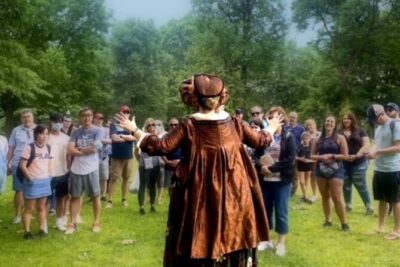
- The Guide Experience: Humor, Good Stories, and Useful Local Tips
- Private Upgrade, Group Size, and Why That Changes the Feel
- What to Wear and Bring for a Rain-or-Snow Walk
- Should You Book This Boston History Tour?
- FAQ
- How long is the Boston History Tour?
- How much walking is involved?
- Where do you meet and where does it end?
- Is this tour small group or private?
- Are there child discounts or free entry?
- What is the cancellation policy?
Key highlights you can plan around
- Stop-by-stop Revolutionary Boston storytelling with clear, real-world context
- A surprise local treat (ID may be needed if alcohol is offered)
- Faneuil Hall, Old South, Old City Hall, and Old State House in one smooth loop
- Beacon Hill cobblestones and the Shaw Memorial moment you might miss on your own
- Granary Burying Ground and the Public Garden for a strong closing mix of people and place
- Max 16 travelers, so you get interaction without feeling crowded
Why This Boston History Walk Works for First-Time Visitors
If it’s your first day in Boston, you want two things fast: orientation and context. This tour gives you both, moving through the tight cluster of landmarks that shaped American independence while also showing you how modern Boston life sits on top of that story.
The format is friendly and practical. You’re not stuck in a museum line for hours, and you’re not expected to memorize dates. The guide does the connecting work, from meeting halls to meeting streets, so the city starts to make sense.
Price and Value: What $39.80 Really Buys You
At about $39.80 per person for roughly 2 hours, this is priced like a solid “first-day backbone” activity. You’re paying for a live guide, a small group, and a route that covers a lot of key ground without turning into a long haul.
A big value lever here is that several stops are marked as admission ticket free. That means your money goes toward interpretation and storytelling rather than entry fees piling up.
Then there’s the treat. A surprise local item is included, and alcohol might be served depending on the group and what’s available, with proper ID required. Even if you’re not doing the alcohol option, that built-in pause is a nice way to break up the walk and keep energy up.
Boston was built for walking. More routes

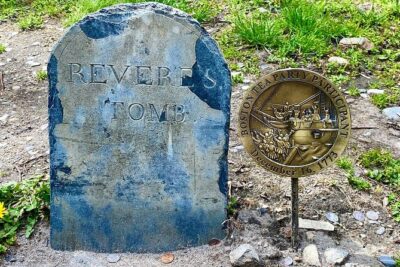
Route in Real Terms: From Greenway Carousel to the Public Garden
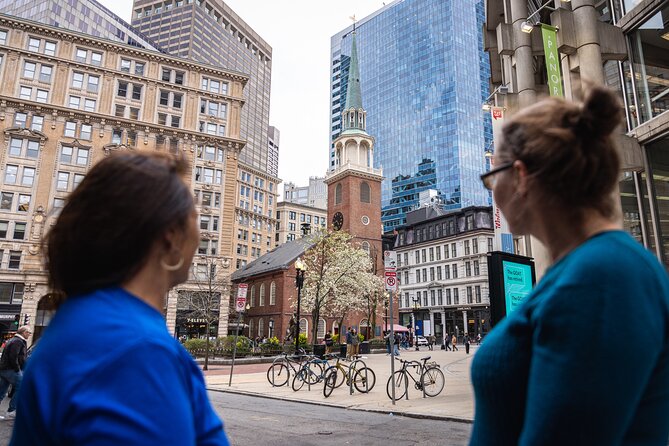
The walk is built as a downtown-to-park arc. You start at the Rose Kennedy Greenway Carousel (191 Atlantic Ave), then work your way through the Independence-era core and down into the park layer of the city, finishing near 4 Charles St by the Public Garden.
It covers about 4 km (2.5 miles), which is manageable for most people, but Boston sidewalks add up. Plan for some uneven patches and regular city foot traffic, especially in the downtown areas around shopping and transit.
Also note the company reserves the right to change the route and stops. That’s normal for walking tours, and it’s usually about timing, access, or crowd control. If you’re booking this as your “must-do,” still keep a little flexibility in your day.
Meeting Point at the Greenway Carousel: Getting Started Smoothly
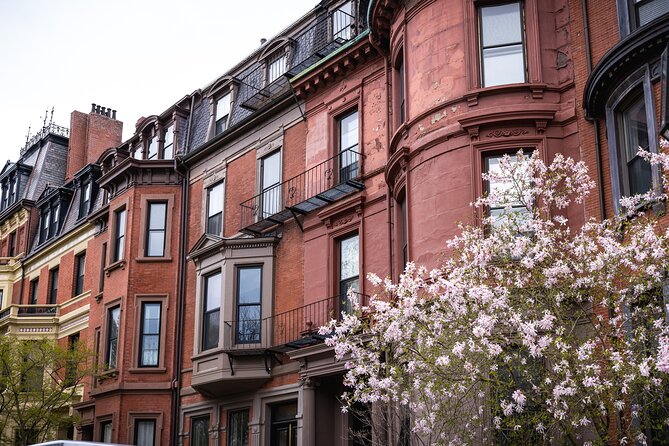
Your first moment is practical: meet your guide at the Greenway Carousel on Atlantic Ave. The location is easy to reach by transit, and since this is near the Rose Kennedy Greenway, it’s a good launchpad for the rest of the route.
This is also where the guide usually sets expectations and helps the group sync up. If you like asking questions, this is a great time to do it before the pace quickens.
Faneuil Hall Marketplace and the Independence Spark
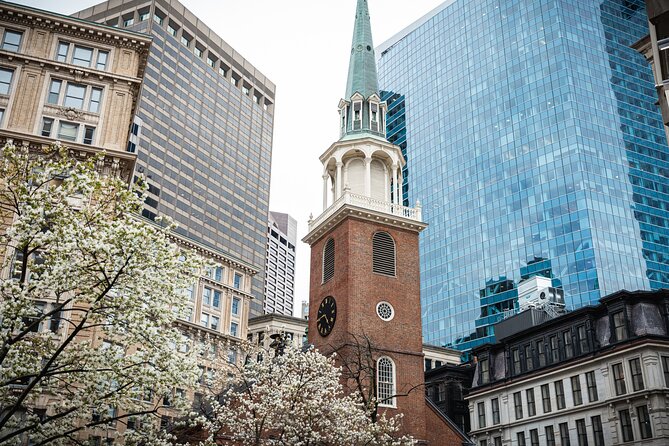
Faneuil Hall is the kind of place where history isn’t a concept. It’s a setting. You’ll start at the Faneuil Hall Marketplace area and get a focused look at the revolutionaries who pushed for independence from Great Britain.
What makes this stop feel worthwhile is the way the guide connects the idea of rebellion to the everyday reality of gathering spaces. It’s not just about who spoke—it’s about where people met, argued, and coordinated.
If your priority is Revolutionary Boston, this is one of the best anchors on the route. Even if you’ve seen photos online, being there helps you understand why the city’s story keeps circling back to these public spaces.
A View of Custom House Tower: Boston’s Early Skyscraper Story
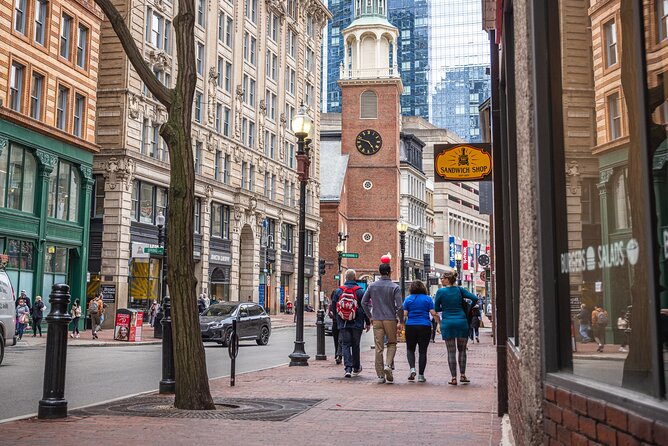
From the Faneuil Hall area, you’ll also be able to see Custom House Tower, described as Boston’s first skyscraper. The tour frames it as a functional piece of the old arrival-and-shipping economy—originally linked to where goods were stored after incoming ships reached Boston.
This is a smart pause for anyone who thinks Boston history is only about speeches and battles. It reminds you the Revolution also depended on commerce, ports, and control of what came in and out.
Three centuries deep, more Boston history
- Boston: Freedom Trail History Small Group Walking Tour★ 5.0 · 6,450 reviews
- Boston Food & History: Pizza, North End & Freedom Trail★ 5.0 · 1,772 reviews
- Boston: Freedom Trail History Small Group Walking Tour★ 4.9 · 1,590 reviews
- City Cruises Boston Historic Sightseeing Harbor Cruise★ 4.5 · 1,388 reviews
- Boston’s North End Food Tour: Italian Flavors & Heritage Walk★ 5.0 · 1,322 reviews
Old South Meeting House and the Tea Party Planning Moment
Old South Meeting House is where the tour slows down just enough to hit the emotional core of 1773. You’ll learn how Bostonians planned their act of rebellion there, including the famous sentiment about no taxation without representation.
The value here is not only the event, but the planning. The guide helps you see how a community turns outrage into action—through organization, public pressure, and the power of a shared story.
If you like your history with clear cause-and-effect, this is one of the best stops for that. It also works well with families because it’s easy to explain why people reacted the way they did.
The First Bookstore Site: When Literature and Revolution Overlap
Between historic meeting points, the tour passes the site of Boston’s first bookstore. You’ll hear how publishers connected to major American works were tied to this setting, including works associated with Thoreau, Hawthorne, and Longfellow.
This stop makes a refreshing change of pace from purely political landmarks. It helps you remember that independence culture wasn’t only about government—it was also about ideas, reading, and the spread of stories.
If you enjoy authors and local publishing lore, you’ll likely appreciate this segment. If you don’t, it still adds texture and keeps the tour from becoming one-note.
Old City Hall and the Bronze Donkey Photo Stop
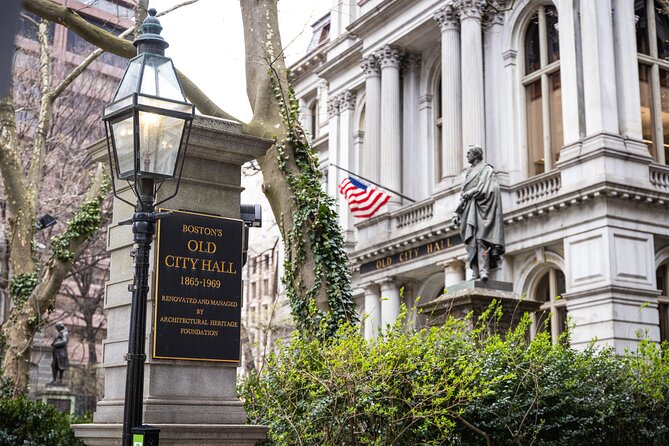
Old City Hall brings you into the civic “how the country worked” side of Boston. You’ll learn it housed the city council and America’s first public school, and you’ll get to admire the French architecture.
There’s also a small, fun photo moment with the Bronze Donkey. It’s the kind of stop that makes a walking tour feel alive—snackable, quick, and memorable without eating up the schedule.
If you’re the type who likes architecture, this is a solid payoff. If you’re not, it still helps you understand how early public education and local governance were part of the city’s identity.
Downtown Crossing to King’s Chapel: Listening for the Old Organ
From Old City Hall, the route passes through Downtown Crossing and continues toward King’s Chapel. If you’re lucky, you might hear the organist, noted as tied to the oldest church organ in the U.S.
Even if you don’t catch music, the stop is still useful. It adds a “religion and community space” layer to the day, reminding you how different institutions shaped daily routines.
This is also where the group’s pace matters. Downtown crossings can be busy, so follow the guide close and don’t expect long photo pauses in this section.
Old State House: Declaration Announced and the Boston Massacre
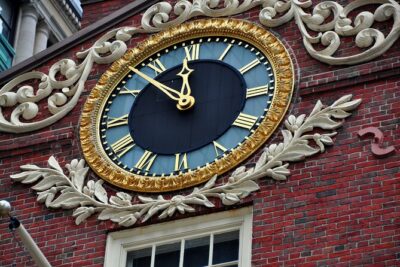
Old State House is one of the anchor points for understanding the emotional swing of the Revolutionary period. You’ll stop here to learn that the Declaration of Independence was announced in 1776, and your guide will also share what happened during the Boston Massacre.
This combination works because it shows the conflict side of independence, not only the triumphant side. You get the high point, then the cost—and you feel why the story mattered so much to real people.
Bring a curious mindset here. The guide’s job is to help you connect what you see (the building and its setting) to what you feel (why the event mattered).
Boston Common: The First City Park and Shared Public Space
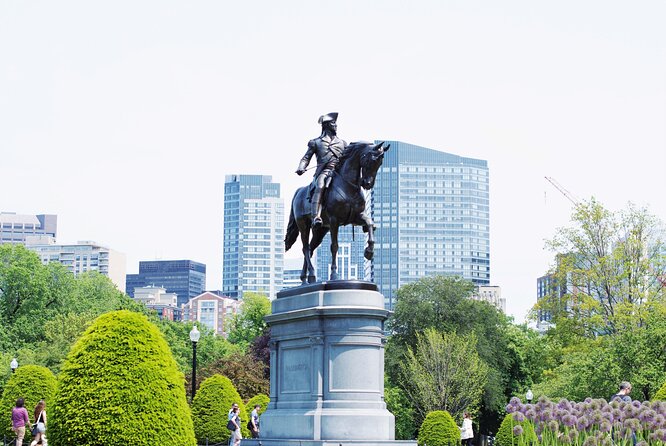
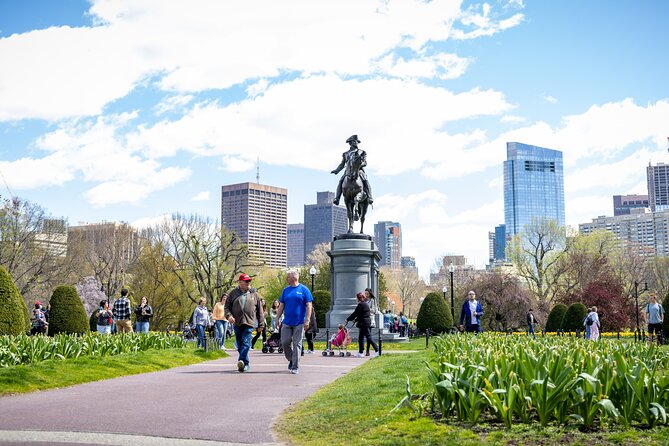
The tour then moves into Boston Common, noted as the oldest city park in the U.S. You’ll walk through memorials, fountains, and recreation areas that have been used since 1634.
What I like about including Boston Common is that it broadens the Revolution into everyday civic life. Even if you’re not thinking about independence anymore, you still get the feeling of Boston as a place built around public gathering.
For families, this section also gives room to breathe. The walk feels less compressed, and it’s easier to keep energy up.
Beacon Hill Cobblestones and the Shaw Memorial
From Boston Common, you’ll head toward the Beacon Hill area. The tour shares how the neighborhood changed over time and describes the decline tied to sailors and British soldiers, then connects it to how Beacon Hill became the iconic neighborhood it is today.
After that, you’ll reach a less-visited but significant memorial honoring one of the first African American regiments in the Civil War and their colonel, Robert Gould Shaw.
This segment is quietly powerful. It shifts from the Revolutionary focus into a wider American story, showing you that the fight for representation and rights didn’t stop after 1776.
Massachusetts State House Dome: John Hancock and Paul Revere’s Cornerstone
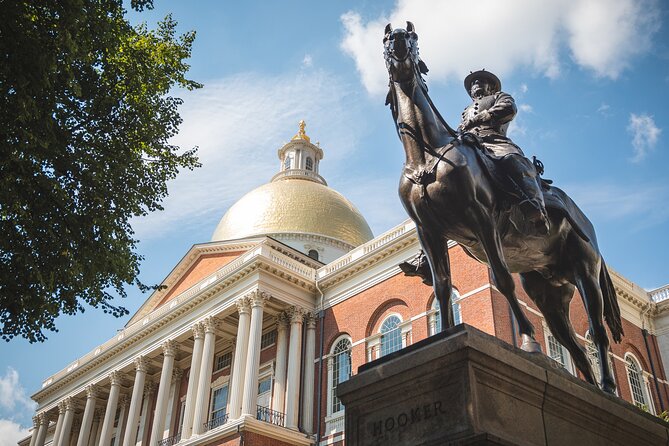
Next comes the Massachusetts State House, highlighted by its glittering dome. You’ll learn about John Hancock as the original landowner and hear how Paul Revere presided over the 1795 cornerstone ceremony.
This is where the tour ties the past to the ongoing government function of the present day. The building isn’t only a relic; it’s still tied to decision-making, policy, and public life.
If you’re into political history, this stop is a good “big-picture” moment. If you’re not, it still gives you a satisfying visual landmark to remember.
Granary Burying Ground: Revolutionary Names You’ll Recognize
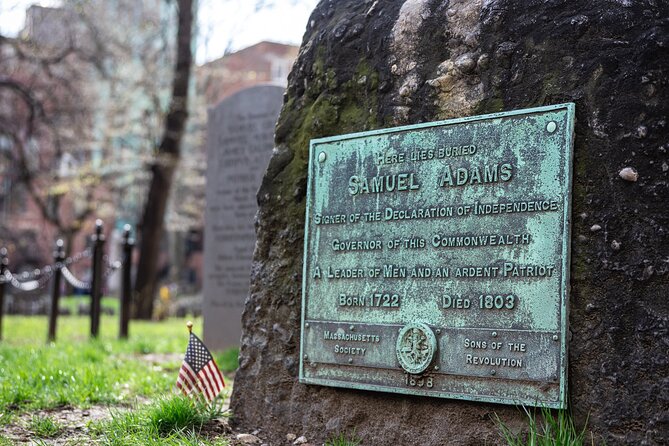
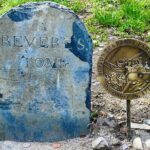
Granary Burying Ground dates to 1660 and was once part of Boston Common. You’ll pass graves of major Revolutionary figures like John Hancock, Paul Revere, and Sam Adams.
Cemeteries can feel heavy, but this one works on a walking tour because the guide frames it as part of the city’s story—not a random detour. You’re not only seeing names; you’re learning how memory and place overlap in Boston.
One practical note: this stop is shorter, so keep your eyes on the guide’s pointing and the flow of the group. It’s easy to miss details if you stop too long for photos.
Boston Public Garden: A Soft Landing After the Revolution
The tour ends in the Boston Public Garden, described as the first public park in America. You’ll learn how it was used during the Revolution and beyond, then you’ll have time to stroll through at a relaxed pace.
This is a smart finish because you leave the heavy historical stops and land in a place designed for walking, relaxing, and looping. When you’re done, you’re positioned right where it’s easy to continue your day.
If you want something low-effort after the tour, this is where you go: grab a snack nearby, sit for a minute, then keep exploring other neighborhoods at your own speed.
The Guide Experience: Humor, Good Stories, and Useful Local Tips
The strongest repeat theme is the guide. People often highlight guides like Bob, Nabil, Alivia, Lexie, Tim, Conner, Allison, Molly, Clio, Alex, and Alexander for being friendly, funny, and able to answer questions without making you feel rushed.
That matters more than you’d think. Boston history can sound like a list. A good guide turns it into cause, consequence, and human behavior.
This tour also includes plenty of insider tips on where to eat, explore, and relax. Those aren’t random suggestions; they’re tied to the route you just walked, so your next steps feel natural instead of guesswork.
Private Upgrade, Group Size, and Why That Changes the Feel
This tour is offered as a small-group experience, with a maximum of 16 travelers. That size tends to keep things interactive and helps the guide manage questions and pacing.
You can also upgrade to a private tour for a more personalized experience. If you’re traveling with a family, a group of friends who want control of pace, or you just prefer quieter attention, the private option is worth considering.
What to Wear and Bring for a Rain-or-Snow Walk
This is a walking tour that runs rain, shine, or snow. Dress for the weather, not for the forecast optimism.
Bring comfortable shoes. The route is only 4 km, but it’s still city walking on mixed surfaces.
If you plan to participate in the local treat and alcohol is offered, bring proper ID. And if you’re traveling with kids, you’ll be glad this is built to be child-friendly, with clear participation rules.
Should You Book This Boston History Tour?
Book it if you want a first-time-friendly way to connect major Boston landmarks with plain-language Revolutionary context, without turning your day into a museum marathon. The $39.80 price feels especially fair when you factor in the guide, the small-group size, the free-entry style stops, and the surprise treat.
Consider a different option if you prefer deep time in a single site rather than covering many locations in a compact window. Also, if you’re sensitive to crowds, some downtown blocks can be busy and you’ll be moving through them rather than lingering.
One smart strategy: book this early in your trip so the rest of your day makes more sense. Since this tour often gets booked around a month ahead on average, you’ll also save yourself stress by grabbing your spot when your dates are fixed.
If you’re weighing the call, I’d bet you’ll be happiest if your goal is orientation plus storytelling, not maximum time inside buildings.
FAQ
How long is the Boston History Tour?
The tour runs for about 2 hours.
How much walking is involved?
Plan for about 4 km (around 2.5 miles) of walking.
Where do you meet and where does it end?
Meet at the Greenway Carousel at 191 Atlantic Ave, Boston, MA 02111. The tour ends near 4 Charles St, Boston, MA 02116 by the Boston Public Garden.
Is this tour small group or private?
It’s a small-group tour with a maximum of 16 travelers, and you can upgrade to a private tour.
Are there child discounts or free entry?
Yes. Children under 6 can join for free. Children aged 6 to 11 join at the adult rate, and you’ll need to note the child age during booking.
What is the cancellation policy?
You can cancel for a full refund up to 24 hours before the experience’s start time. If you cancel less than 24 hours before start time, the amount paid isn’t refunded.
Boston History, Volume Two



On Foot Through Old Boston

More of the Boston Ledger


New on the Boston Docket
- Boston to Newport Mansions Private Day Trip
★ 5.0 · 3 reviews - Boston Massachusetts Private Photography Tour
★ 5.0 · 3 reviews - Homemade Dumplings 101 in Boston
★ 3.5 · 3 reviews - Self-Guided Audio Tour of Boston North End
★ 4.5 · 3 reviews - Old Boston: Beacon Hill & Back Bay Walking Tour in French
★ 4.7 · 3 reviews
Historical Tours, compared.
 ★ 5.0History and Hauntings of Salem Guided Walking TourFrom $3614,564 reviews
 ★ 5.0Freedom Trail History Small Group Walking TourFrom $356,450 reviews
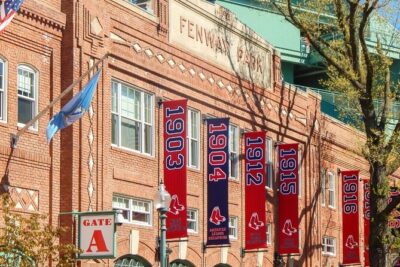 ★ 4.5Tour of Historic Fenway Park, America’s Most Beloved BallparkFrom $453,013 reviews
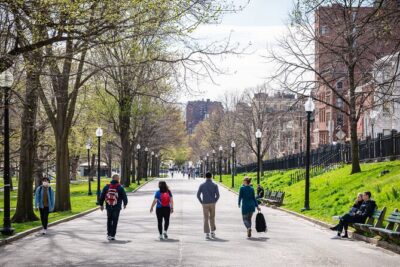 ★ 5.0Boston Food & History: Pizza, North End & Freedom TrailFrom $901,772 reviews
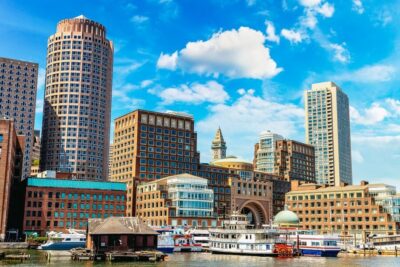 ★ 4.6City Cruises Historical Sightseeing CruiseFrom $461,771 reviews
★ 4.9Freedom Trail History Small Group Walking TourFrom $351,590 reviews
★ 4.6City Cruises Historical Sightseeing CruiseFrom $461,771 reviews
★ 4.9Freedom Trail History Small Group Walking TourFrom $351,590 reviews
 ★ 4.5City Cruises Boston Historic Sightseeing Harbor CruiseFrom $461,388 reviews
 ★ 5.0Boston’s North End Food Tour: Italian Flavors & Heritage WalkFrom $701,322 reviews
Browse the lists this tour appears in