

REVIEW · FREEDOM TRAIL & REVOLUTION WALKS
Boston: Full Revolution Story Epic Small Group Walking Tour
Boston feels like a timeline you can walk through. This tour is built for people who want the why, not just dates: you follow a story-first route through Boston’s neighborhoods while the Revolution unfolds from early city life to the Declaration of Independence. It also goes beyond the Freedom Trail, with a citywide arc that links major sites to lesser-known corners, so you get the full sense of Boston as a living place.
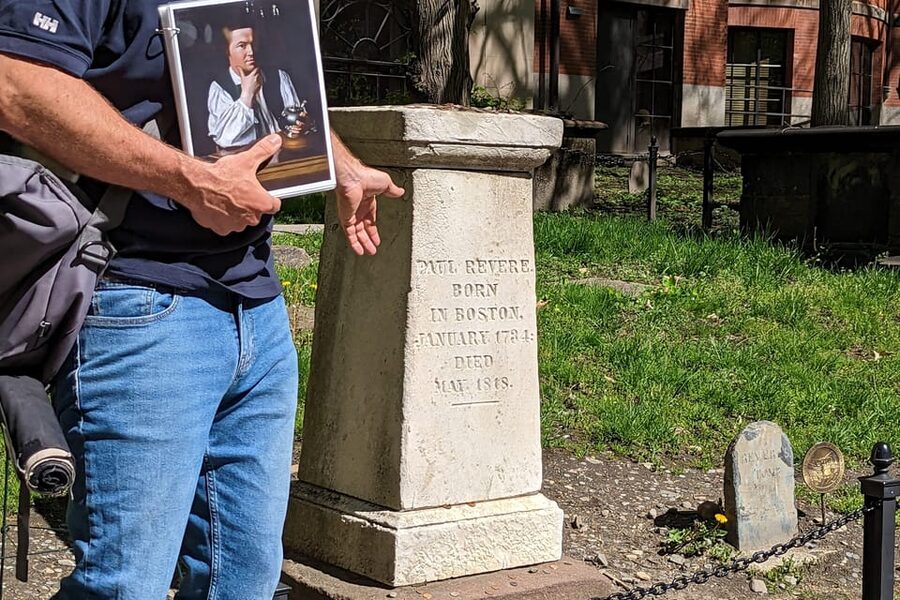
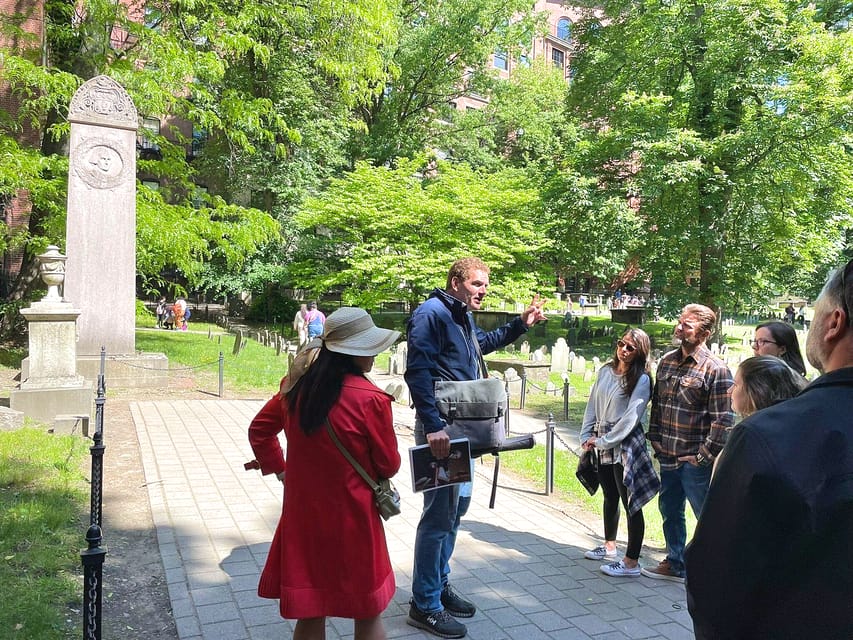
I especially love how the tour keeps focus on motivations and momentum. Guides like Tyler and Mike are repeatedly praised for using maps, photos, and hands-on visuals (including playful props such as Lego) to make complex events feel clear and human. I also like the format: small group size, no costumes, and an interactive style that stays friendly without turning into a reenactment.
One drawback to plan around is physical effort. The route involves moderate walking, plus one hill and a flight of stairs down toward the later part of the tour, so it’s not suitable for people with mobility impairments.
In This Review
- Key things you’ll notice right away
- A Revolution Story Told Like a Walkable Timeline
- Small-group pace: why around 16 people helps
- Meeting at City Hall Plaza (and what to look for)
- The route that follows the Revolution in order
- Downtown anchors: from City Hall to the first Revolutionary sparks
- Franklin, the press, and political pressure
- Meeting halls and protest: where decisions got loud
- Quincy Market break: restrooms and a breathing point
- Green space, waterfront energy, and the North End shift
- The hillier, later stretch: Copps Hill, then toward Bunker Hill
- Final shoreline-style walking: parks, Harborwalk, and Lewis Wharf
- What your guide teaches (and what the props are for)
- Price and value: $57 for a 3.5-hour story with many stops
- Who should book, and who should skip
- Final decision: should you book this Boston Revolution tour?
- FAQ
- How long is the Boston Full Revolution Story Epic Small Group Walking Tour?
- How big is the group?
- Where do I meet the tour guide?
- Is this tour only the Freedom Trail?
- Does the tour include a restroom break?
- Are costumes or reenactments included?
- What is the physical difficulty level?
- Is it suitable for people with mobility impairments?
- Does it include hotel pickup?
Key things you’ll notice right away

- Story-first navigation instead of the usual Freedom Trail order
- No costumes, no reenacting, just real people and real stakes
- Small group size (around 16) that keeps the tour moving
- Visual teaching tools: maps, photos, and props that clarify the action
- A longer, citywide route that connects downtown to the North End and harbor
- Restroom and a break at Quincy Market, plus local food guidance at the end
A Revolution Story Told Like a Walkable Timeline
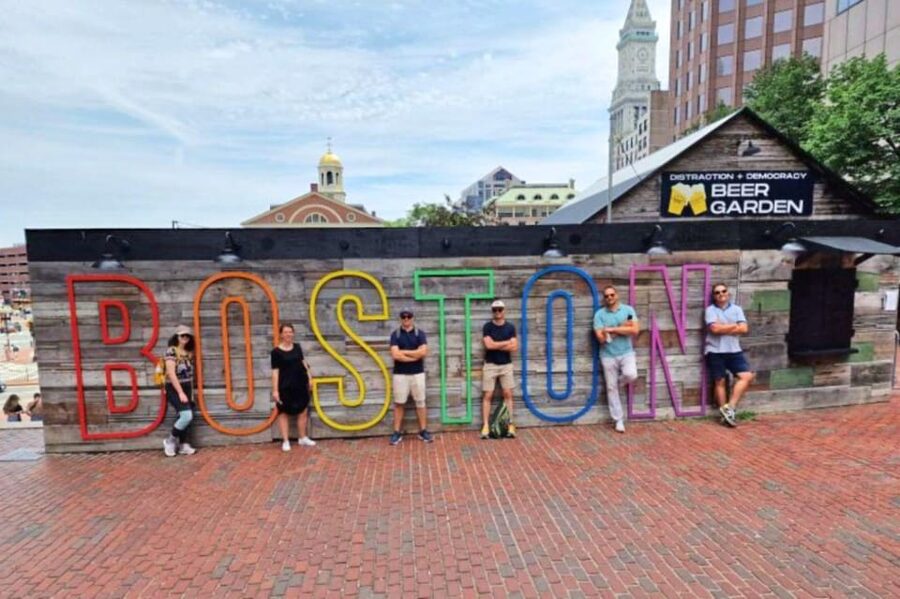
If your mental picture of the American Revolution is mostly names and battle dates, this tour is designed to fix that. The big idea is that Boston wasn’t just a backdrop for history. It was a set of neighborhoods, marketplaces, meeting rooms, churches, and meeting halls where political anger, economic pressure, and rumor turned into coordinated resistance.
This matters because most Boston history tours shorten the story into a scavenger hunt along the Freedom Trail. They stop, point, and move on. Here, the route follows a narrative thread so the events connect like cause and effect. You’ll still hit famous landmarks, but you’ll understand why each place mattered when it did, and why the conflict kept snowballing.
The tone is also different. There are no costumes and no awkward play-acting. You’re not watching actors “perform” the Revolution. You’re hearing it explained with humor and energy, which keeps long stretches of history from turning into a lecture.
Finally, the small group approach changes what you can learn. With about 16 participants, you get a better chance to ask questions, stay oriented, and actually keep up with the story order without losing your place.
Small-group pace: why around 16 people helps
A walking tour lives or dies by pacing. If a group is too large, you spend time waiting, and the story falls apart. With a smaller group, your guide can keep you together while still moving between multiple neighborhoods.
You should expect a brisk walking style. The tour is about 210 minutes (just over 3.5 hours) and covers a lot of ground, including a hill and stairs later on. In practical terms: this isn’t a “stroll and linger” afternoon. It’s more like a guided history walk where the stops are short enough to keep momentum but detailed enough to be worth your time.
One more thing I like about this size: it supports interactive teaching. Many history sites are easier to remember when you can attach a person to a role. Guides such as Tyler and Rob are credited with using participant involvement in a way that keeps the timeline stickier, so you’re not just collecting facts—you’re building a mental map of who did what and why.
The red brick line keeps going. More Trail walks here
Meeting at City Hall Plaza (and what to look for)
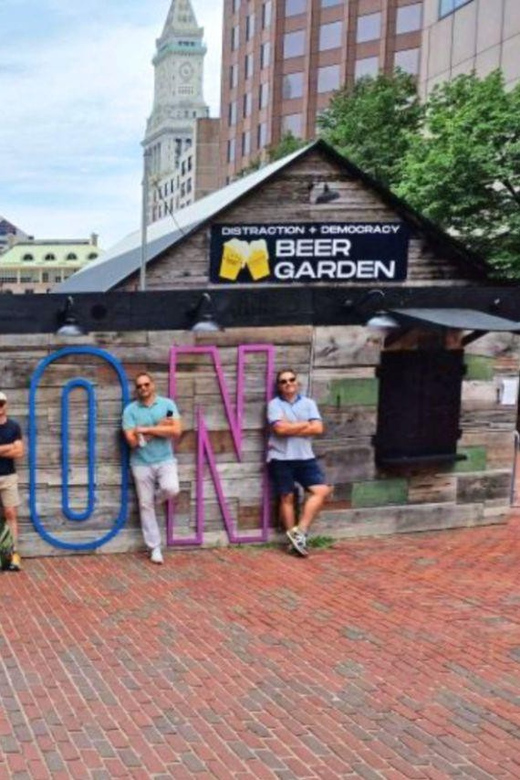
Your tour starts at City Hall Plaza, in a large pedestrian area directly across the street from Faneuil Hall, and you’ll meet up a flight of stairs. The practical challenge here is simple: you need an easy visual landmark.
Meet in front of the Five Iron Golf, between Staples Connect and City Hall. Your guide will be standing near the statue of Bill Russell outside the seasonal beer garden area.
If you’re using transit, note that:
- Green Line riders use the Government Center Exit
- Orange/Blue Line riders use the State Street Exit
And no hotel pickup is included, so plan to arrive on your own a few minutes early.
The route that follows the Revolution in order
The strongest selling point is the structure. Instead of walking the Freedom Trail in either direction (which doesn’t match how events unfolded), this tour follows the story’s sequence. That change alone makes a huge difference in how the Revolution clicks into place.
Here’s how the tour unfolds, stop by stop, and what each place adds to the narrative.
Downtown anchors: from City Hall to the first Revolutionary sparks
You begin at City Hall Plaza and then head into the core of the Freedom Trail area for an introductory walk (around 10 minutes). This quick start gives you orientation so later stops land with context instead of feeling random.
Next comes King’s Chapel Burying Ground. Cemeteries sound passive, but they work well for this story because Boston’s Revolutionary era sits on top of older generations. You’re not just looking at stone—you’re learning how the city’s public life and leadership networks formed.
From there, you move to the Granary Burying Ground. This is where you’ll start connecting famous figures to the physical geography of the city. If you’ve only seen Revolutionary history in books, this is where it becomes spatial: people, places, and politics become neighbors.
You then pass Park Street Church, Boston briefly. Think of it as a waypoint that helps the route stay logical and timed to the story.
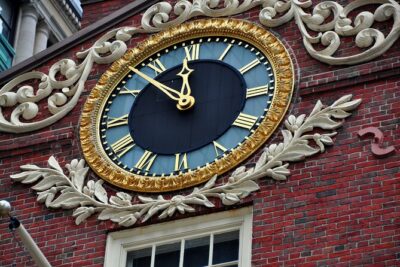
After that is Old City Hall. A short stop, but useful because it helps you understand how civic power and governance were expressed in real Boston buildings.
Franklin, the press, and political pressure
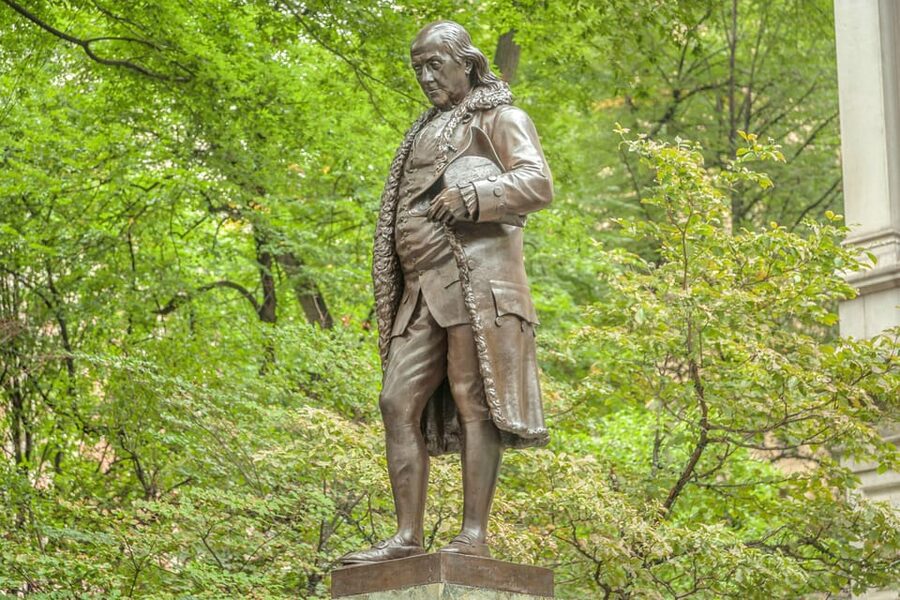
You’ll visit Boston Latin School and the Benjamin Franklin statue. Franklin is part of why this tour is more than battle scenes. The Revolution wasn’t only about violence—it was also about writing, persuasion, and public debate.
Then you reach Old State House. It’s a key place for understanding how official authority and public unrest collided. It’s the kind of site where you can feel why crowds became political tools.
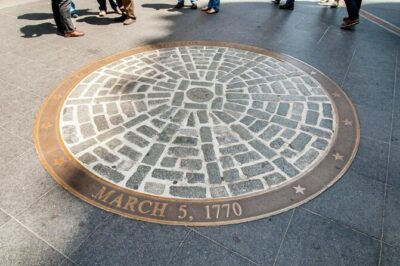
The route continues to the Boston Massacre site. This is often treated as a single moment. Here, it’s framed as something that grew from tensions already in motion, so it doesn’t feel like an isolated tragedy—it feels like the next step in a chain.
You’ll also stop at the Old Corner Book Store area. That matters because Revolutionary conflict depended on communication: printing, distributing ideas, and shaping public opinion.
Boston was built for walking. More routes
- Boston: Freedom Trail History Small Group Walking Tour★ 5.0 · 6,450 reviews
- Harvard University Campus Guided Walking Tour★ 4.5 · 3,632 reviews
- Boston Freedom Trail Walking Tour with Costumed Guide★ 4.5 · 2,531 reviews
- The Full Revolutionary Story Epic Small Group Boston Walking Tour★ 5.0 · 2,356 reviews
- Boston’s Freedom Trail: A Revolutionary Walking Tour★ 4.9 · 1,748 reviews
Meeting halls and protest: where decisions got loud
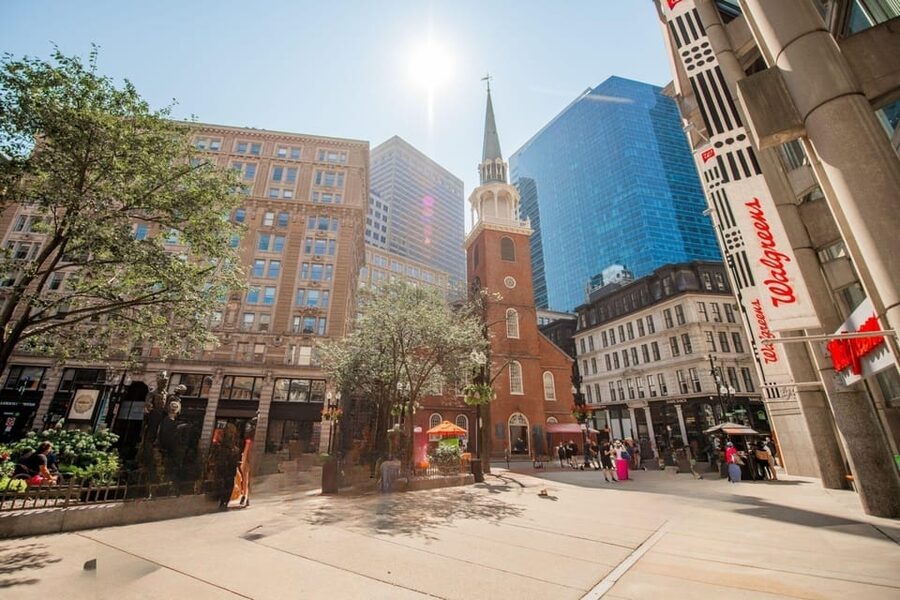
At Old South Meeting House, you’ll hear how organized assembly turned ideology into action. This is the kind of stop that explains how a crowd becomes a coordinated force rather than a random mob.
Then you move through nearby landmarks like Post Office Square and Liberty Square. These aren’t just scenic pauses. They help you understand how Boston’s public spaces functioned as stages for argument, confrontation, and identity.
You’ll then arrive at Faneuil Hall for a longer visit (about 10 minutes). You’ll likely get entry when it’s open, plus a guided explanation that ties the Revolutionary storyline to how Bostonians gathered, debated, and mobilized.
Quincy Market break: restrooms and a breathing point
At Quincy Market, you get a built-in 15-minute break. This is where you can use the restroom and reset before heading toward the North End. It’s also a good moment to grab something small because you’ll keep walking after.
If you’re the type who likes to snack while you tour, this break is long enough to do it without falling behind.
Green space, waterfront energy, and the North End shift
After the market, you’ll pass Rose Kennedy Greenway. It’s a quick transition stop that helps you link downtown Boston to the waterfront world that supported trade and movement of people and news.
Next is the Paul Revere House. This is where the story becomes personal again—Revere as a symbol, but also as a real person navigating risk and urgency. You’ll then head into the North End for a short visit focused on the neighborhood’s historical flavor and its connection to the Revolution era.
There’s also a photo stop at Paul Revere Mall, followed by a visit to Old North Church. Old North Church is one of those places where you can understand why Boston kept its secrets close while still acting quickly. If your brain needs visuals to stick, this stop usually delivers.
The hillier, later stretch: Copps Hill, then toward Bunker Hill
You’ll visit Copps Hill, including scenic viewpoints while walking in that area. This stop gives you a sense of Boston’s geography and why certain locations felt strategic.
Then you pass the USS Constitution for a quick look. It’s a brief moment in the storyline, but it helps you remember that Boston history didn’t end at independence—it continued as the nation grew.
You’ll reach Bunker Hill Monument, with time for guided context and scenic views. This is a big ending-bench moment: you get a sense of what the fighting represented and why it mattered beyond a single day of battle.
Final shoreline-style walking: parks, Harborwalk, and Lewis Wharf
Near the end, you visit Charter Street Park, then walk through the Harborwalk area and end at Lewis Wharf. There’s also a stop at Pilot House Park with scenic walking in the final stretch.
This part of the tour is about transformation. You start in the civic core, move through meeting halls and political pressure points, and then finish with the modern harbor setting that helps you picture Boston’s historical role in shipping, movement, and maritime power.
It’s also a smart way to end because the location naturally supports food and wandering afterward, especially in the North End, where local insights and food recommendations are included as you finish.
What your guide teaches (and what the props are for)
The best guides don’t just repeat facts. They structure meaning.
On this tour, visuals and props are used to make the story trackable. Expect maps and photos to explain how action spread across neighborhoods. Some guides also use additional teaching tools such as name tags and other role-based involvement so you remember people and their relationships to events.
This matters because Revolutionary history gets confusing fast if you only hear it as speeches and battles. When you can see where places sit, and you can attach names to roles, your understanding feels steadier.
If you’ve met a tour guide who talks nonstop, you’ll appreciate this approach. The guiding style is designed to keep you active mentally, with humor and energy and clear transitions between stops.
Price and value: $57 for a 3.5-hour story with many stops
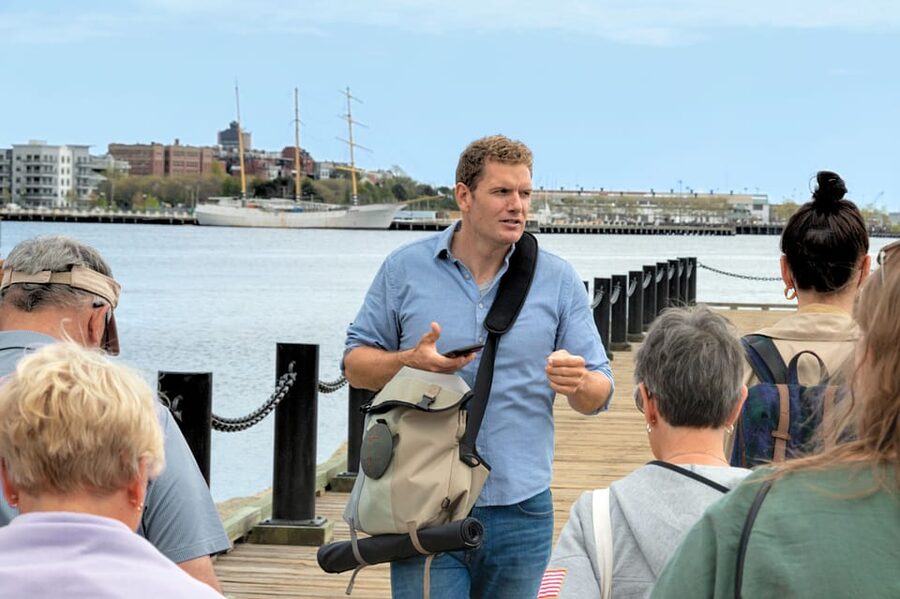
At $57 per person, this tour can be a good deal if you care about how history connects. You’re not paying for a single landmark; you’re paying for a guide to connect dozens of locations into a single narrative.
You also get:
- A small group size (so the cost isn’t inflated by crowd control)
- Guided instruction at many different sites
- A restroom and break stop at Quincy Market
- A long route that moves beyond the typical downtown loop
- Practical help at the end, including food recommendations when you finish in the North End/Lewis Wharf area
Is it cheap? No walking tour is at this duration with this many sites. But for the time, the number of guided stops, and the story-first format, the price-to-content ratio makes sense.
Who should book, and who should skip
This tour is best for:
- Adult history fans who want the why behind the Revolution
- People who already know the headline events and want a better understanding of motivations and sequence
- Travelers who like learning through visuals and light interaction rather than costumes and reenacting
It may be less ideal if:
- You need a fully gentle walk. The itinerary includes one hill and a flight of stairs down toward the end.
- You’re traveling with someone who needs frequent downtime. Stops are short, and the pace is meant to keep the story moving.
- You’re looking for a child-focused format. The tour is primarily aimed at adults, and longer, more detailed storytelling may not hold every kid’s interest.
Final decision: should you book this Boston Revolution tour?
I think it’s a strong choice if you want to understand Boston’s role in America’s founding in a way that feels logical, memorable, and grounded in real places. The story-first ordering is the big advantage, and the small group size plus visual teaching tools make the long walk feel worth it.
Skip it if mobility limitations are a concern or if you want a low-effort, short-stop walking tour. Otherwise, if you’re the type who likes historical context and wants Boston to make sense as you walk it, this is an excellent use of a half-day.
FAQ
How long is the Boston Full Revolution Story Epic Small Group Walking Tour?
It lasts about 210 minutes (around 3.5 hours).
How big is the group?
The tour is a small group, roughly around 16 participants.
Where do I meet the tour guide?
Meet at City Hall Plaza, in front of the Five Iron Golf between Staples Connect and City Hall, near the Bill Russell statue by the seasonal beer garden.
Is this tour only the Freedom Trail?
No. It includes the Freedom Trail in the mix, but it also goes beyond it with a wider citywide route and additional sites.
Does the tour include a restroom break?
Yes. There’s a 15-minute restroom break at Quincy Market, and you may also enter Faneuil Hall when it is open.
Are costumes or reenactments included?
No. There are no costumes, and it is not presented as reenactment.
What is the physical difficulty level?
Expect moderate activity: mostly flat walking, with one hill (up) and a flight of stairs (down) toward the end.
Is it suitable for people with mobility impairments?
No. It is not suitable for people with mobility impairments.
Does it include hotel pickup?
No hotel pickup or drop-off is included.
On Foot Through Old Boston



More of the Boston Ledger



Follow the Red Bricks Further

New on the Boston Docket
- Boston to Newport Mansions Private Day Trip
★ 5.0 · 3 reviews - Boston Massachusetts Private Photography Tour
★ 5.0 · 3 reviews - Homemade Dumplings 101 in Boston
★ 3.5 · 3 reviews - Self-Guided Audio Tour of Boston North End
★ 4.5 · 3 reviews - Old Boston: Beacon Hill & Back Bay Walking Tour in French
★ 4.7 · 3 reviews
Freedom Trail & Revolution Walks, compared.
 ★ 5.0Freedom Trail History Small Group Walking TourFrom $356,450 reviews
 ★ 4.5Boston Freedom Trail Walking Tour with Costumed GuideFrom $262,531 reviews
 ★ 4.5Boston Tea Party Ships and Museum AdmissionFrom $352,512 reviews
 ★ 5.0The Full Revolutionary Story Epic Small Group Boston Walking TourFrom $552,356 reviews
 ★ 4.8Boston Tea Party Ships and Museum Interactive TourFrom $351,926 reviews
 ★ 5.0Boston Food & History: Pizza, North End & Freedom TrailFrom $901,772 reviews
 ★ 4.9Boston’s Freedom Trail: A Revolutionary Walking TourFrom $311,748 reviews
★ 4.9Freedom Trail History Small Group Walking TourFrom $351,590 reviews
★ 4.9Boston’s Freedom Trail: A Revolutionary Walking TourFrom $311,748 reviews
★ 4.9Freedom Trail History Small Group Walking TourFrom $351,590 reviews
Browse the lists this tour appears in