
REVIEW · FREEDOM TRAIL & REVOLUTION WALKS
Boston: Food and History of The Freedom Trail Private Tour
Food plus history in Boston is a winning combo. This private 5-hour walk strings together the North End and major Freedom Trail stops, with lunch-style tastings along the way. You start by the Greenway Carousel, then work toward places tied to revolution-era Boston before finishing in the Boston Public Garden.
What I like most is the way the meal and the walking actually fit together. The North End section is built around tasting things like pizza, breads, cheeses, and cannoli-style sweets, and your guide ties what you’re eating to the neighborhood’s past. I also love how the route keeps moving through landmarks you’d usually read about later, like Faneuil Hall, the Old State House, and Granary Burying Ground—so you get both context and atmosphere, not just photos.
One possible drawback: you’ll do a lot of steps, and the food focus leans Italian-North-End, not classic “all of Boston” seafood or dessert staples. If you want a wider mix like clam chowder, lobster roll, or Boston cream pie, plan to add those on your own afterward.
In This Review
- Key highlights at a glance
- Starting at Greenway Carousel: a fun warm-up before the walking story begins
- Faneuil Hall Marketplace: where revolution talk gets real
- Rose Fitzgerald Kennedy Greenway: park breaks with skyline views
- North End for 2 hours: the food is the story, not an add-on
- What if you don’t love Italian-centric food?
- Paul Revere Mall: photo stop with a built-in legend
- Old North Church & Historic Site: the steeple view, lantern history, and smart extra time
- Old State House and the Boston Massacre: where the Revolution story gets tense
- Old South Meeting House: the Tea Party begins here
- A pass by Boston’s first bookstore: literature threaded into the streets
- Old City Hall: French architecture and the Bronze Donkey photo
- Granary Burying Ground and Boston Common: where the past is literally underfoot
- Beacon Hill red-brick streets and the Robert Gould Shaw memorial
- Massachusetts State House dome views: classic Federal design with a modern skyline
- Boston Public Garden finish: end where the city breathes
- Price and value: is $269.50 per person worth it?
- Who should book this Freedom Trail food-and-history tour?
- Should you book it?
- FAQ
- How long is the tour?
- Where does the tour start and end?
- What food and drinks are included?
- Is Old North Church admission included?
- Is this tour private?
- Do I need to bring a printed ticket?
- What is the cancellation policy?
Key highlights at a glance
- North End tastings that add up to a full meal (not just a couple nibbles)
- Freedom Trail landmarks with a living story, from Paul Revere to the State House
- Small-group feel inside a private experience, so questions don’t get lost
- Old North Church access when available, plus a prime view of the steeple
- A finish point that’s perfect for the rest of your day: Boston Public Garden
Starting at Greenway Carousel: a fun warm-up before the walking story begins
Your tour starts at 191 Atlantic Ave, right by the waterfront area where Boston’s old-and-new energy overlaps. The first stop is the Greenway Carousel, a one-of-a-kind carousel with hand-carved characters inspired by Boston Harbor’s air, sea, and land animals. It’s free, quick, and it sets the tone: this isn’t a dry history march.
You’ll get a short breather here, which matters because the tour is built as a sequence of walking segments and photo moments. If you like start-times that feel low pressure, this one works. You don’t have to be in museum mode yet.
Also, if you’re traveling with teens, kids, or anyone who gets restless during long city walks, this first stop is useful. It keeps the vibe human. Then you move into the political heart of the city.
Faneuil Hall Marketplace: where revolution talk gets real
Faneuil Hall Marketplace is your first major anchor after the playful carousel. This area functions as a lively market and a town hall, and it sits close to the waterfront—so it’s easy to picture why it mattered. Your guide points out that this is where cries for revolution from Great Britain first rang out.
Even if you’ve seen the name before, standing here gives it weight. The building feels like Boston doing Boston: public life, arguments, and change happening in the open. It’s also a great place to get your bearings for what comes next, since it sits right near the route you’ll follow toward the neighborhoods tied to the Revolution.
The red brick line keeps going. More Trail walks here
Rose Fitzgerald Kennedy Greenway: park breaks with skyline views
Next you pass through the Rose Fitzgerald Kennedy Greenway. It’s a long, attractive park space with memorials, fountains, parks, and public art, plus skyline views in the mix. The stop itself is brief, but it works as a reset button between dense landmark sections.
I like Greenway segments like this because they stop the day from turning into one long grind. You get a little air, a few good photos, and a chance to regroup before the most food-heavy part of the tour.
If you’re visiting during hot or cold weather, this is also where you’ll notice the practical side of the tour design: you’ll be outdoors much of the day, so dress like you’re walking, not like you’re sightseeing from a seat.
North End for 2 hours: the food is the story, not an add-on
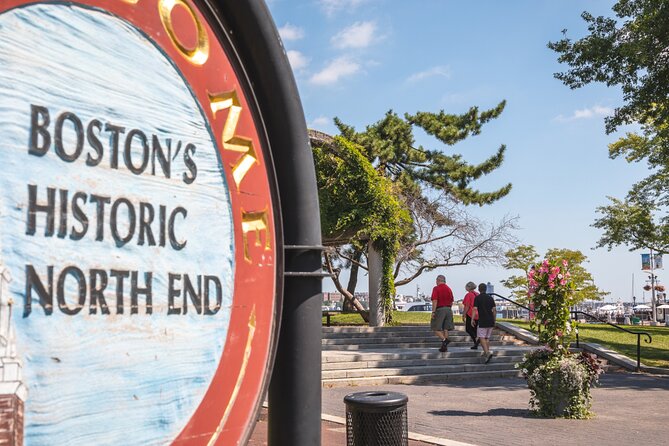
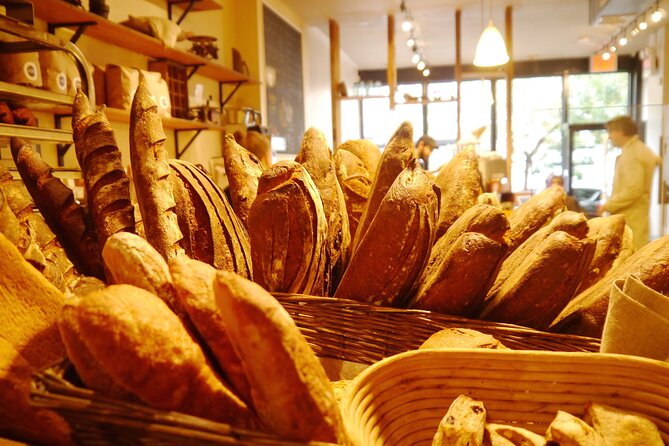
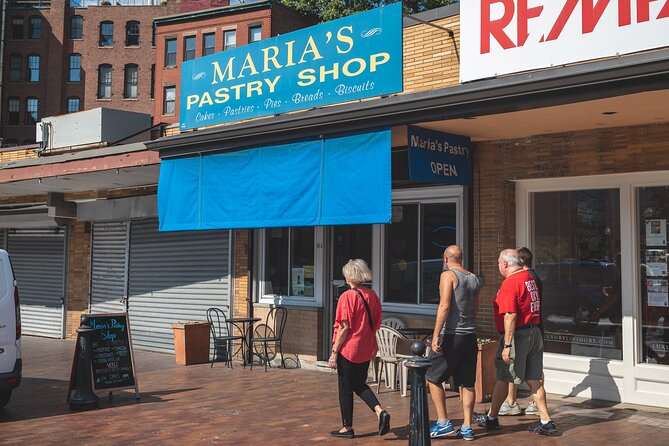
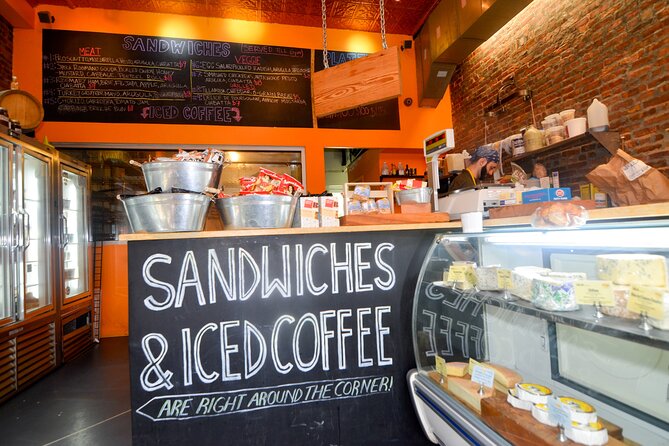
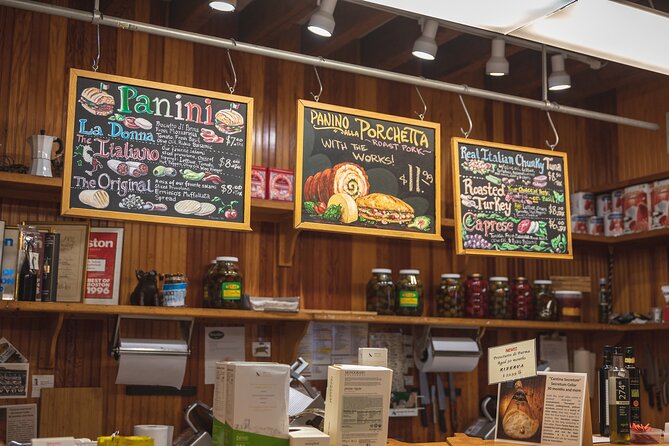
The North End is the centerpiece. You spend about two hours here, and it’s not a rushed “taste and go” stop. Your guide introduces a spread of drinks and bites—think breads, cheeses, and pizza—plus the sweet stuff that people in Boston often associate with this neighborhood.
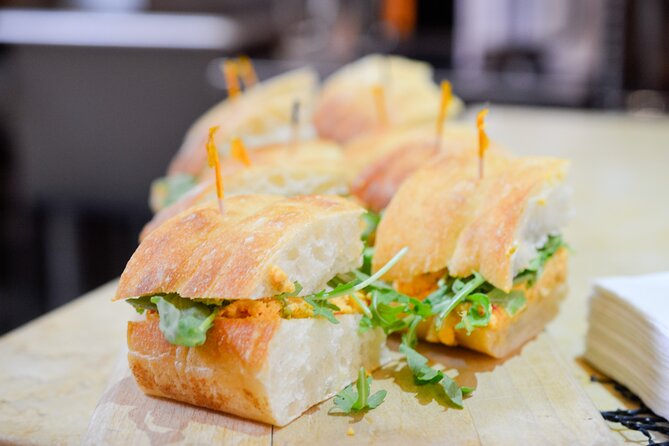
What you can expect from the food portion is straightforward: the tour includes lunch-style tastings, and the total amount is designed to equal a full meal. That matters because you don’t have to worry about whether you’ll be hungry again right after the tour. You’ll also get snacks (including a special Boston treat) and coffee and/or tea from a local cafe or another stop, depending on the day.
How I’d handle it if you’re you (meaning: you actually want to enjoy it): pace yourself. The North End section is your main fuel. If you try to sample everything at top speed, you’ll burn out before you finish your meal. Let your guide lead, and if you’re curious, ask what you’re tasting and why it belongs to the neighborhood.
This is also where the tour becomes more than food. Your guide connects what you see—cafés, bakeries, small storefront rhythms—to the North End’s identity. It’s one of the best ways to understand why this neighborhood keeps drawing people back, year after year.
What if you don’t love Italian-centric food?
Here’s the honest consideration: the food focus is North End–leaning. If you came craving Boston icons like chowder or lobster rolls, the tour will probably satisfy your hunger and your curiosity, but it won’t cover every classic. You can absolutely fill in the blanks later in your week.
Paul Revere Mall: photo stop with a built-in legend
After the North End, you head toward Paul Revere Mall, a tree-lined promenade made for a quick walk and a memorable picture. There’s a spot where you can snap a photo of Paul Revere atop his horse. As you move, your guide tells the story tied to his Midnight Ride.
This is one of those stops where the physical setting helps. You’re not just hearing the tale; you’re standing in a space built to make that tale stick. It’s also a good moment to slow down for a minute, adjust your pace, and keep your energy for the next Revolution-era sequence.
Still hungry? Boston keeps serving
- Boston Food & History: Pizza, North End & Freedom Trail★ 5.0 · 1,772 reviews
- Boston North End Food Tour of 6+ Tastings, Cannoli, Lobster Roll★ 5.0 · 1,404 reviews
- Boston’s North End Food Tour: Italian Flavors & Heritage Walk★ 5.0 · 1,322 reviews
- Boston’s North End Food and History Walking Tour★ 5.0 · 459 reviews
- Boston’s Politically Incorrect North End Food Tour★ 5.0 · 453 reviews
Old North Church & Historic Site: the steeple view, lantern history, and smart extra time
Old North Church & Historic Site is where the day starts turning into high-stakes storytelling. You’ll get a view of the steeple from a distance, and this is one of Boston’s must-see points even if you’re not visiting inside. Your guide also points you toward the famous lantern signal on the eve of the American Revolution, which is the core reason this site matters.
Entry to Old North Church is included when available (or you may get alternates), so you may get more than the outdoor view depending on conditions. Either way, the guide’s advice is solid: if you have time later, it’s worth revisiting so you can linger a bit and read more than what fits into a walking-tour window.
Practical tip: if you’re the type who likes details, bring a few minutes of patience. This is a spot where it helps to slow down, even if just briefly.
Old State House and the Boston Massacre: where the Revolution story gets tense
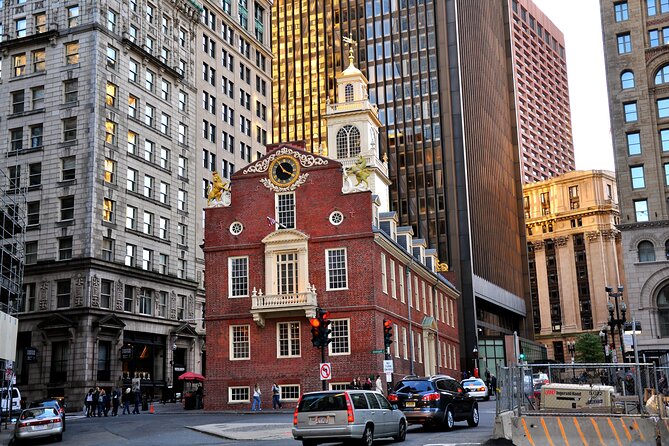
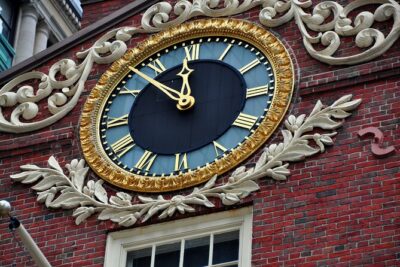
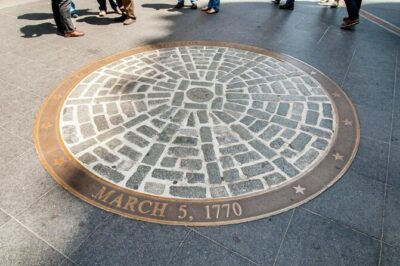
From here, you move into Downtown Boston for Old State House. You stop in front of a building tied to the Boston Massacre, and your guide explains why Old State House is so important—one of the oldest public buildings in the country and an iconic Boston landmark.
This section works well because it’s not just a list of dates. Your guide helps you connect the political mood to the streets around you. Old State House feels like the kind of place where history doesn’t stay in the past; it sits right in the foreground.
There’s also a useful pacing choice here. This is not an all-day museum detour. You’re still moving, but the landmark stops are timed so you’re not losing momentum.
Old South Meeting House: the Tea Party begins here
Next is Old South Meeting House, a quick stop that carries huge weight. Your guide explains that one night in 1773, this is where the Boston Tea Party began—when the building was the largest in the city.
Even if you only have a handful of minutes, you walk away with a clearer sense of scale and crowd energy. That’s the thing about standing in the right place. The Revolution isn’t an abstract concept. It becomes a human event.
If you like history that feels specific (names, locations, moments), this is one of the best stops on the walk.
A pass by Boston’s first bookstore: literature threaded into the streets
Between major landmarks, you pass by the site of the first bookstore in Boston. You’ll hear about publishers associated with works including Thoreau’s Walden, Hawthorne’s The Scarlet Letter, and Henry Wadsworth Longfellow’s tale connected to Paul Revere.
This is a small stop in time but big in payoff. It’s the kind of detail that makes Boston feel like a long-running story rather than a set of tourist stops. If you’re a literature person, this is the part you’ll remember later when you’re reading in a café and realizing how much Boston shaped the authors tied to it.
Old City Hall: French architecture and the Bronze Donkey photo
Old City Hall brings you into a more architectural lane. You’ll see French architecture elements and get a chance to take a photo with the Bronze Donkey.
This is a good mid-walk break: less about revolution logistics, more about personality. Boston is full of buildings that are serious, but it also has room for quirky details like this. The Bronze Donkey photo is the kind of thing that turns the day from “learn mode” into “walk-and-smile mode,” without losing historical context.
Admission is not included here, so keep it simple: look, photos, and move.
Granary Burying Ground and Boston Common: where the past is literally underfoot
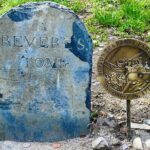
Granary Burying Ground is next, and it’s an essential stop. It dates back to 1660 and was originally part of Boston Common. This is where you learn about the final resting spots of Revolutionary heroes including John Hancock, Paul Revere, and Sam Adams.
From a travel value standpoint, this stop is impressive because it’s fast but meaningful. In a short time, you get to connect the Revolution era to real people and see how Boston commemorates those names. It’s also a natural emotional bridge between earlier political buildings and the green open spaces you’re about to walk through.
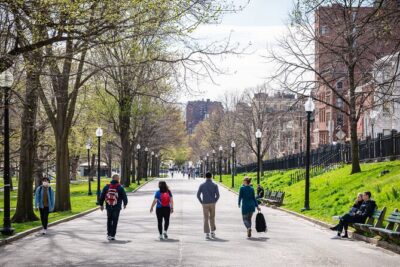
Then you move into Boston Common, the oldest city park in the United States. You’ll walk through areas with memorials, fountains, and recreation spaces that have been enjoyed daily since 1634. This is where the tour feels most “livable.” The Common isn’t just a backdrop. It’s part of how locals experience the city every day.
Beacon Hill red-brick streets and the Robert Gould Shaw memorial
After Boston Common, you head toward the area known for glorious red-brick roads that help illustrate Boston’s long timeline. Your guide talks about the development of this part of the city, so it feels less like you’re just passing through and more like you’re learning why these streets look the way they do.
Then you’ll encounter a lesser-known but important memorial connected to the first African American regiments in the Civil War, including Colonel Robert Gould Shaw. If you want your Freedom Trail experience to include the wider human story beyond the most famous names, this is the stop that helps the day feel more complete.
Massachusetts State House dome views: classic Federal design with a modern skyline
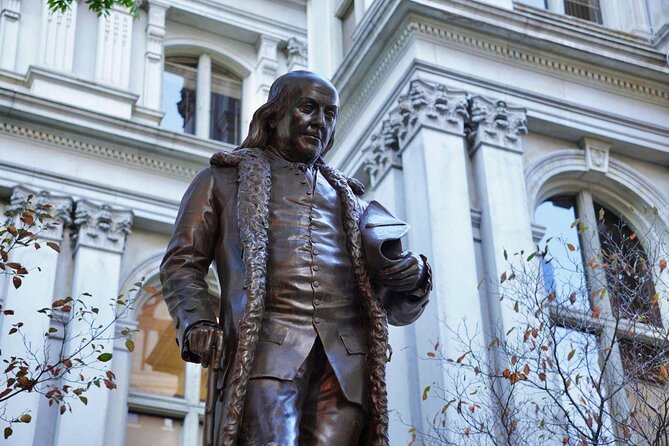
Massachusetts State House is a standout exterior stop. You’ll see the glittering dome designed and built by Charles Bulfinch in 1798. Your guide also frames what you’re looking at by pointing out modern Boston details visible from the area, including the Financial District and the John Hancock Tower.
This is a good place to slow down for a few minutes. The State House is one of the most recognizable civic structures in the city, and the view helps you understand how Boston grew around the political core.
If you’re the type who likes a “now and then” feeling to your photos, this stop delivers.
Boston Public Garden finish: end where the city breathes
Your tour ends in the Boston Public Garden, in a central location that makes it easy to keep exploring. You’ll spend about twenty minutes here, and the park is a favorite for walking, exercise, fun, and quiet moments.
Ending at the Public Garden is practical. You’re not stuck at a far-out pickup point. You can head to nearby neighborhoods, grab lunch if you’re still hungry, or just take a breather after a day that mixes hard facts with steady walking.
Price and value: is $269.50 per person worth it?
At $269.50 per person, this isn’t a “cheap and cheerful” add-on. But the value case is pretty clear once you look at what you get included.
First, you’re paying for a private experience with an English-speaking guide and a route that connects food stops with major historical landmarks. Second, you’re not just getting a few bites. The lunch-style portion is designed to equal a full meal, and the tour also includes snacks, plus coffee and/or tea. That alone can offset a normal lunch out, especially if you’d otherwise be stopping at a North End restaurant during peak hours.
Third, you get Old North Church admission when available. That helps keep the day from becoming “just outside views” the whole time. And finally, your ending point in the Public Garden is useful. You finish in a place where you can naturally continue your day without needing another long transfer.
The biggest “value tradeoff” is focus. If you want every Boston food stereotype in one go, this tour is not built for that. It’s built for the North End, then the Freedom Trail. If that matches your priorities, the price starts to make a lot more sense.
Who should book this Freedom Trail food-and-history tour?
Book this if you want:
- One guide, one route, and both sides of Boston: the Revolutionary story plus the North End food culture.
- A day planned for you that still leaves room for follow-up on your own.
- A private walking experience where your guide can answer questions without a big crowd.
Consider skipping (or adding extra food planning) if:
- You want a lot of classic Boston seafood and other non–North End dishes.
- You don’t like walking. The schedule is about five hours, and it’s outdoors for much of it.
Should you book it?
Yes, I’d lean toward booking if you’re excited by the combination of North End eating and Freedom Trail landmarks. The tour structure makes it easy to learn the city while you’re also getting fed in a way that feels like a real meal, not token tasting.
If you’re on the fence, decide like this: if you’ll actually eat your way through the North End and you want a guided link between Paul Revere-era sites and today’s Boston streets, this is a strong pick. If you’re mostly chasing one very specific Boston menu (seafood, chowder, lobster roll), I’d treat this as the history half plus Italian food, then plan your Boston-food must-haves separately.
FAQ
How long is the tour?
The tour lasts about 5 hours.
Where does the tour start and end?
It starts at 191 Atlantic Ave, Boston, MA 02111, and ends at the Boston Public Garden.
What food and drinks are included?
Lunch includes a variety of food samples (for example fresh bread, a pastry, sample of pizza, and a meat and cheese snack), plus snacks and coffee and/or tea. The total amount of food is designed to equal a full meal.
Is Old North Church admission included?
Yes. Admission to Old North Church is included, subject to availability (with alternates provided if needed).
Is this tour private?
Yes. It’s a private tour/activity, so only your group participates.
Do I need to bring a printed ticket?
No. The tour uses a mobile ticket.
What is the cancellation policy?
You can cancel for a full refund if you cancel at least 24 hours before the experience’s start time. If you cancel less than 24 hours before, the amount you paid is not refunded.
The Boston Table Keeps Filling



More of the Boston Ledger

Follow the Red Bricks Further
New on the Boston Docket
- Boston to Newport Mansions Private Day Trip
★ 5.0 · 3 reviews - Boston Massachusetts Private Photography Tour
★ 5.0 · 3 reviews - Homemade Dumplings 101 in Boston
★ 3.5 · 3 reviews - Self-Guided Audio Tour of Boston North End
★ 4.5 · 3 reviews - Old Boston: Beacon Hill & Back Bay Walking Tour in French
★ 4.7 · 3 reviews
Freedom Trail & Revolution Walks, compared.
 ★ 5.0Freedom Trail History Small Group Walking TourFrom $356,450 reviews
 ★ 4.5Boston Freedom Trail Walking Tour with Costumed GuideFrom $262,531 reviews
 ★ 4.5Boston Tea Party Ships and Museum AdmissionFrom $352,512 reviews
 ★ 5.0The Full Revolutionary Story Epic Small Group Boston Walking TourFrom $552,356 reviews
 ★ 4.8Boston Tea Party Ships and Museum Interactive TourFrom $351,926 reviews
 ★ 5.0Boston Food & History: Pizza, North End & Freedom TrailFrom $901,772 reviews
 ★ 4.9Boston’s Freedom Trail: A Revolutionary Walking TourFrom $311,748 reviews
★ 4.9Freedom Trail History Small Group Walking TourFrom $351,590 reviews
★ 4.9Boston’s Freedom Trail: A Revolutionary Walking TourFrom $311,748 reviews
★ 4.9Freedom Trail History Small Group Walking TourFrom $351,590 reviews
Browse the lists this tour appears in