

REVIEW · FOOD & DRINK
Boston: Iconic Food Tasting & History Tour – Downtown
One good reason Boston is hard to forget is food. This 3-hour downtown walking tour mixes classic plates with the stories that made them local favorites, so you taste and learn as you move.
I especially like the hearty tastings at four local eateries, and I love that the guide connects what you’re eating to Boston history along the Freedom Trail area. One drawback to think about: it’s a walking tour on your feet most of the time, and it isn’t set up for people with food allergies.
In This Review
- Key highlights to look for
- A downtown Boston food tour that actually teaches
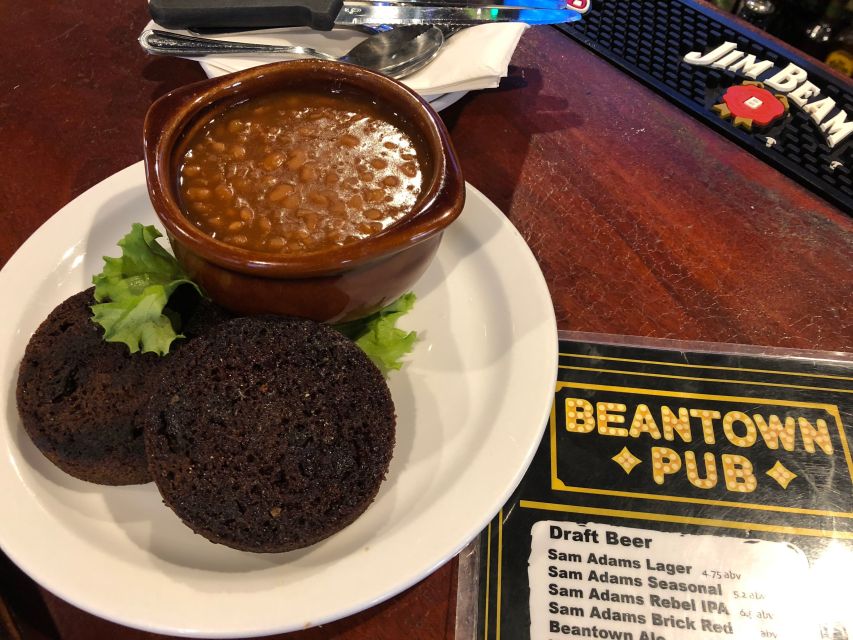
- Starting outside Beantown Pub: your route begins with a local landmark
- The included bites: what you’ll taste (and why they matter)
- Boston Baked Beans and Brown Bread: the comfort food with working roots
- Clam Chowder: creamy, salty, and tied to coastal identity
- Lobster Roll: the city’s seafood pride, served street-level
- Boston Cream Pie: the sweet finale that feels like a local ritual
- How the Freedom Trail angle changes your perspective
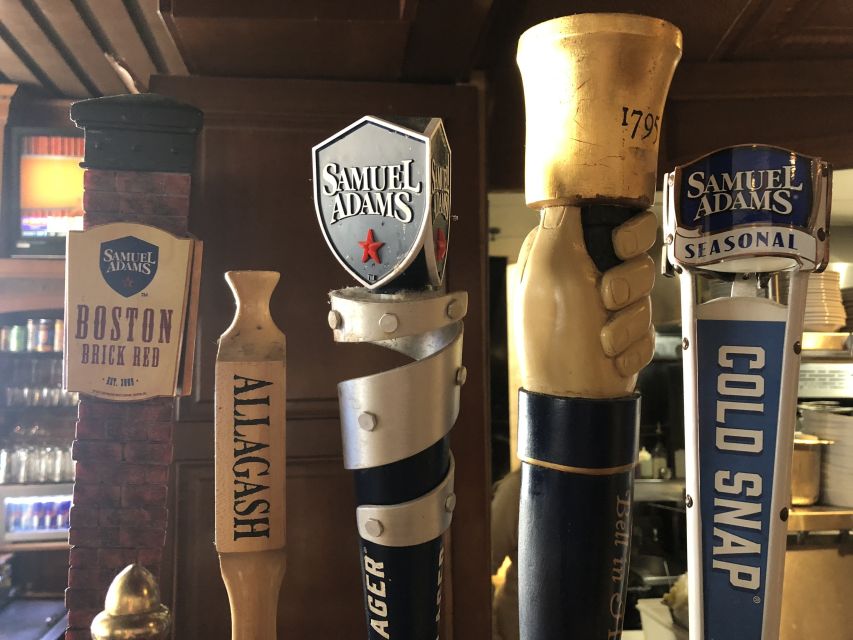
- Optional beer upgrade: matching Boston classics with historic taverns
- Price vs value: is $125 worth it for 3 hours?
- Who should book this downtown food tasting (and who should skip it)
- What to bring and what to know before you go
- Should you book the Boston Food Tasting & History Tour?
- FAQ
- What’s the duration of the Boston Downtown Food Tasting & History Tour?
- Where does the tour start?
- How much does the tour cost?
- What food will I taste on the tour?
- Are drinks included?
- Does the tour include beer tasting?
- Does it run in bad weather?
- Is the tour suitable for children or people with food allergies?
Key highlights to look for
- Four hearty tastings across downtown Boston, not just one snack stop
- Freedom Trail–area storytelling focused on how iconic dishes became classics
- Real Boston favorites on the menu: baked beans, clam chowder, lobster roll, Boston cream pie
- Optional craft beer upgrade at two historic taverns for a food-and-beer pairing
- Guided 3-hour stroll with historic site stops tied to food culture
A downtown Boston food tour that actually teaches
Boston has plenty of monuments. This tour takes a different angle: it treats food like a historical document. You walk through downtown with a guide who ties each bite to why it became “Boston” in the first place.
That focus matters. If you only eat the usual tourist hits, you miss the meaning. If you only read about the Freedom Trail, you might not remember the details. Here, the two move together. You’ll leave with a stronger sense of how everyday meals, local ingredients, and immigrant and working-class life shaped what people became proud to serve.
And yes, you’ll end up full. The tastings are the point, and they’re scheduled as part of the walking rhythm rather than a random grab-bag of tiny samples.
Starting outside Beantown Pub: your route begins with a local landmark
You meet your guide outside Beantown Pub at 100 Tremont St, Boston, MA 02108. It’s an easy downtown anchor point, and it helps you get your bearings fast before you start walking.
From there, the tour follows a straightforward plan: you’re on a guided 3-hour walking route through downtown Boston with stops that mix eating with nearby historic interest sites. The route is designed so you’re not just hopping between restaurants. You’re seeing the city as a connected place, where food culture grew alongside political and civic life.
Practical note: bring comfortable shoes. This is on your feet most of the time, and it runs rain or shine, so you’ll want footwear that can handle wet sidewalks.
Still hungry? Boston keeps serving
The included bites: what you’ll taste (and why they matter)
The headline foods are classic Boston staples, and they’re chosen for a reason: each one connects to a different part of the city’s identity.
You’ll taste:
- Boston Baked Beans and Brown Bread
- Clam Chowder
- A fresh Lobster Roll
- Boston Cream Pie
The smart part is how the tour treats these not as random menu items, but as local traditions with a backstory. That turns a meal into context—and context makes the flavors stick.
Boston Baked Beans and Brown Bread: the comfort food with working roots
This is one of those dishes that feels simple until you ask why Boston embraced it. Baked beans are hearty, filling, and practical. They’re the kind of food that fits a city where people needed meals that lasted and traveled well.
Paired with brown bread, the bite gives you that old-school New England comfort: savory, slow-cooked, and meant to be satisfying rather than fancy. The guide’s job here is to explain how dishes like this became part of the Boston table—less about food trends and more about daily life, local habits, and what communities could reliably put on the table.
If you like food that feels substantial, this stop sets the tone. If you prefer lighter bites, you might want to mentally pace yourself for the rest of the route, since baked beans tend to be rich and filling.
Clam Chowder: creamy, salty, and tied to coastal identity
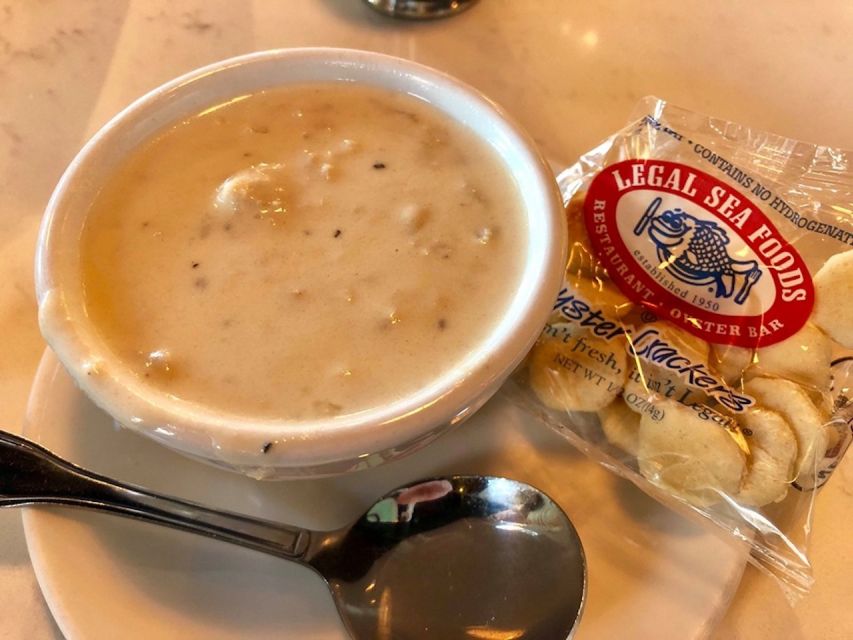
Next up: clam chowder. Boston’s chowder reputation is built on the idea that coastal ingredients can become city comfort. When you taste it during a downtown walk, you’re also getting a reminder that this seafood tradition didn’t stay on the docks. It turned into a full-on Boston ritual.
Chowder is also a great “history-through-flavor” dish. It reflects ingredient access and culinary preference—how people cooked what they had, and how that preference became an expectation.
On a tour like this, chowder works for two reasons. First, it’s familiar enough to enjoy even if you don’t consider yourself a huge seafood person. Second, it provides a strong baseline flavor for the rest of the meal, especially when you’re moving from savory comfort into richer main flavors and dessert later.
Lobster Roll: the city’s seafood pride, served street-level
Then comes the lobster roll. Boston lobster culture is real, and a lobster roll is a very approachable way to try it without the formality of a plated seafood course.
This stop tends to land well because it’s the kind of food Boston is known for outside Massachusetts too. But the tour framing keeps it grounded: you’re not just eating luxury. You’re eating a local adaptation—how lobster became part of everyday eating culture in the region.
One consideration: if you’re sensitive to seafood smells or you don’t like richer seafood flavors, tell yourself that this is a major flavor stop. It’s not subtle. It’s meant to be a highlight.
Three centuries deep, more Boston history
- Boston: Freedom Trail History Small Group Walking Tour★ 5.0 · 6,450 reviews
- Boston Food & History: Pizza, North End & Freedom Trail★ 5.0 · 1,772 reviews
- Boston: Freedom Trail History Small Group Walking Tour★ 4.9 · 1,590 reviews
- City Cruises Boston Historic Sightseeing Harbor Cruise★ 4.5 · 1,388 reviews
- Boston’s North End Food Tour: Italian Flavors & Heritage Walk★ 5.0 · 1,322 reviews
Boston Cream Pie: the sweet finale that feels like a local ritual
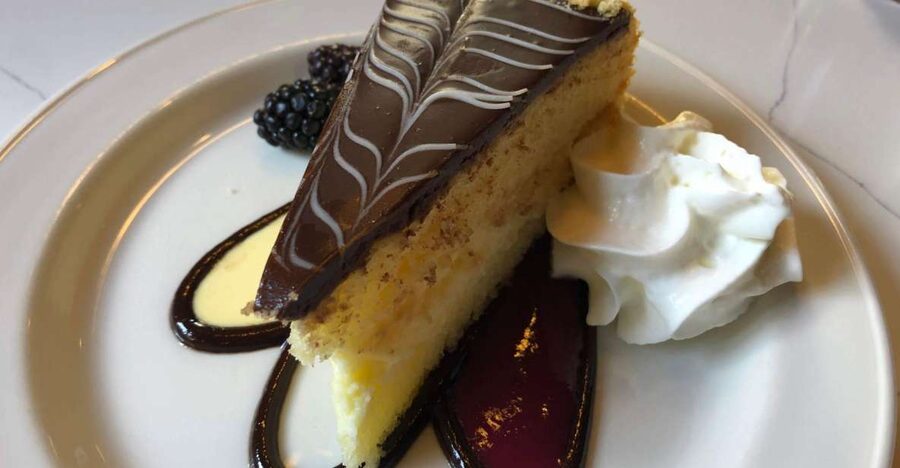
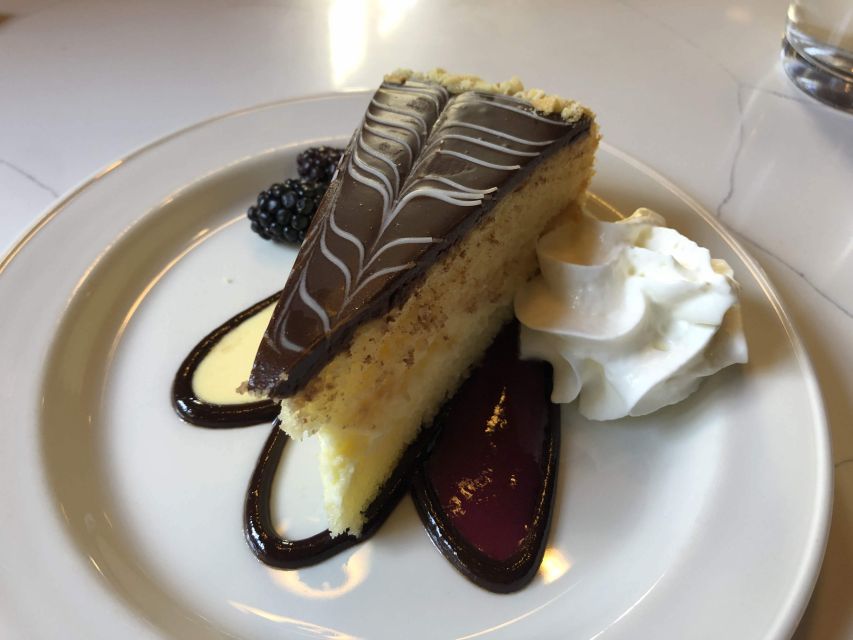
Finally, Boston cream pie. Despite the name, it’s a cake dessert, usually with a custard filling and a chocolate topping. On this tour, it’s the classic ending because it’s sweet, satisfying, and unmistakably Boston.
More than that, it’s a good moment for the guide’s storytelling payoff. By the time you reach dessert, you’ve had several savory stops with identity behind them. The cream pie ties the experience together with the idea that Boston food isn’t only about salt and seafood. It also includes its proud sweet traditions.
If you love dessert, don’t rush this part. Since you’ll have been walking and tasting for hours, it’s easy to eat quickly. I’d slow down and actually taste it like a proper finale.
How the Freedom Trail angle changes your perspective
This is not a traditional Freedom Trail tour where the main event is monuments and plaques. Instead, you’ll visit sites of food-related historical significance along the way, using the wider Freedom Trail corridor as a backdrop.
That choice is valuable for two reasons:
- It helps you remember Boston history through something you can taste.
- It prevents the walk from feeling like a list. Food gives structure.
If you’ve ever done a history-heavy walking route and realized you could recite dates but not picture the city, you’ll probably enjoy this better. You get the feeling of the downtown areas and why people lived the way they did, but with the added hook of the table.
Optional beer upgrade: matching Boston classics with historic taverns
Want a grown-up version of the tour? Upgrade to the option with beer tasting. You’ll pair Boston foods with local craft beer tastings at two of Boston’s most historic taverns.
This is a smart add-on because it stays focused. It isn’t a random pub crawl. It’s tied to the food you’re already tasting, so the beer becomes part of the experience rather than an afterthought.
If you’re choosing the beer option, think about your preferences:
- If you like hoppy, crisp beer styles, you’ll likely enjoy how they cut through creamy or rich flavors.
- If you prefer malty, smoother beers, you’ll probably feel they complement the dessert and baked comfort foods.
Also remember: alcoholic beverages are only included if you pick the beer tasting option.
Price vs value: is $125 worth it for 3 hours?
The price is $125 per person for a 3-hour guided walking tour with hearty tastings at four local eateries, plus guided history-focused stops and included taxes and fees.
For me, the best way to judge this cost is by what’s truly included:
- You’re paying for a full guide-led route, not self-guided directions.
- You’re getting multiple food stops, not just one meal.
- The tastings are the centerpiece, so you’re buying convenience and context together.
If you like food tours that turn sampling into learning, this price feels reasonable. If you’re expecting a single full restaurant meal, it may feel different—because it’s built around tasting portions across several places.
The optional beer upgrade can make it better value if you already plan to spend on craft beer during your day. But even without it, the tour is designed to leave you full.
Who should book this downtown food tasting (and who should skip it)
This tour is a great fit if you want:
- An easy way into Boston that doesn’t require museum time
- Strong comfort-food picks like baked beans, chowder, lobster roll, and cream pie
- A guided walk with local storytelling that makes downtown feel more personal
It’s also a good option if you like tours where the food is the anchor. You’re not just collecting sights—you’re building a mental map of what Boston is known for.
It’s not a fit if:
- You have food allergies (the activity isn’t suitable for people with allergies)
- You’re traveling with kids under 12
- You’re hoping for something that doesn’t involve lots of walking
What to bring and what to know before you go
To keep your day smooth, pack:
- Comfortable shoes
- Comfortable clothes
- Passport or ID card
A few rules that matter:
- No pets
- No baby strollers
- No smoking
- No luggage or large bags
The tour also runs rain or shine, so if weather is unpredictable, dress for walking in the conditions you’ll actually face.
Wheelchair accessibility is listed as available, so if you use mobility support, you should still confirm what works best for your needs when you book—but the tour is marked wheelchair accessible.
Should you book the Boston Food Tasting & History Tour?
I’d book it if you want a Boston intro that mixes flavor and downtown context without making your day feel like homework. The combination of four local eateries, classic Boston dishes, and history-focused stops is exactly the kind of tour that helps you remember the city after you leave.
I’d think twice if you’re dealing with food allergies or you don’t want an active walking day. And if you’re already very confident in Boston’s food scene and only need a quick bite, you may prefer a shorter, more casual plan.
If you want the best chance of getting a great experience, show up ready to walk, eat steadily, and pay attention to the story behind each dish—because that’s where this tour earns its 4.5-star average from 12 bookings.
FAQ
What’s the duration of the Boston Downtown Food Tasting & History Tour?
It lasts 3 hours.
Where does the tour start?
Please meet your guide outside Beantown Pub, 100 Tremont St, Boston, MA 02108.
How much does the tour cost?
The price is $125 per person.
What food will I taste on the tour?
The tour includes tastings of Boston Baked Beans and Brown Bread, Clam Chowder, a fresh Lobster Roll, and Boston Cream Pie.
Are drinks included?
Alcoholic beverages are not included unless you select the beer tasting upgrade.
Does the tour include beer tasting?
If you choose the upgrade, you’ll get two local craft beer tastings at two historic taverns.
Does it run in bad weather?
Yes. The tour runs rain or shine.
Is the tour suitable for children or people with food allergies?
It is not suitable for children under 12, and it is not suitable for people with food allergies.
Boston History, Volume Two


The Boston Table Keeps Filling


More of the Boston Ledger

New on the Boston Docket
- Boston to Newport Mansions Private Day Trip
★ 5.0 · 3 reviews - Boston Massachusetts Private Photography Tour
★ 5.0 · 3 reviews - Homemade Dumplings 101 in Boston
★ 3.5 · 3 reviews - Self-Guided Audio Tour of Boston North End
★ 4.5 · 3 reviews - Old Boston: Beacon Hill & Back Bay Walking Tour in French
★ 4.7 · 3 reviews
Food & Drink, compared.
 ★ 5.0Boston Food & History: Pizza, North End & Freedom TrailFrom $901,772 reviews
 ★ 5.0Boston North End Food Tour of 6+ Tastings, Cannoli, Lobster RollFrom $1191,404 reviews
 ★ 5.0Boston’s North End Food Tour: Italian Flavors & Heritage WalkFrom $701,322 reviews
 ★ 4.5Boston Pizza Lovers Food and History Walking Food TourFrom $691,082 reviews
 ★ 5.0Boston’s North End Food and History Walking Tour459 reviews
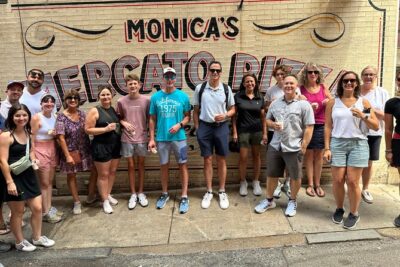 ★ 5.0Boston’s Politically Incorrect North End Food TourFrom $98453 reviews
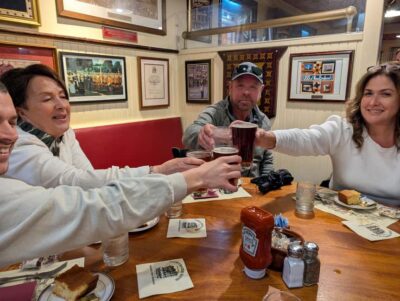 ★ 4.8North End & Little Italy Food Tour with Local DishesFrom $60229 reviews
 ★ 5.0Boston Seafood Lovers Food and History Walking TourFrom $159208 reviews
Browse the lists this tour appears in