
REVIEW · SALEM DAY TRIPS & TOURS
Salem Uncovered: The Salem Witch Trials Tour
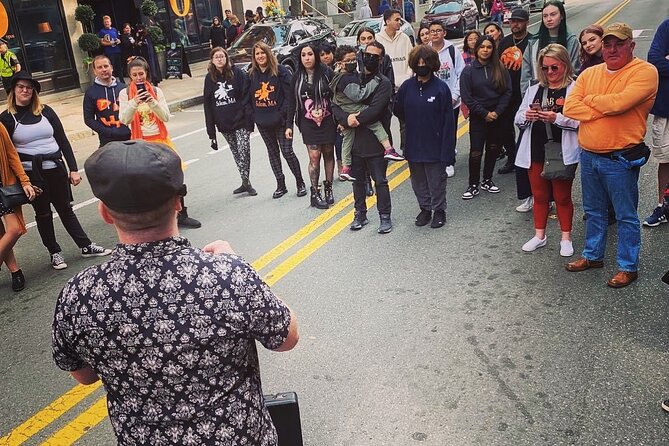
Witch trials, told through real corners and buildings. This Salem Witch Trials walking tour maps the story across major trial-linked stops and finishes at the Salem Witch Trials Memorial. It’s 90 minutes of guided storytelling through Salem’s old streets, with no museum detours or ticket hassles.
I especially like the tour’s “no-nonsense” format: you get a tight route, real-world locations tied to the events, and a guide licensed by the city of Salem. I also like that the price is $26 and you’re not paying extra for admissions since the stops are primarily outdoor—so you can spend your time learning, then jump into Salem’s shops and restaurants afterward.
One possible drawback: this is a walking tour with no building access at the stops. If you’re hoping to go inside historic structures, or you need a very fast pace, you might find it less satisfying than the tours that include interior exhibits.
In This Review
- Key things to love about Salem Uncovered
- Salem Witch Trials on a 90-Minute Walk
- Price, pace, and what you really get for $26
- Meet-up points and how to track the route
- Stop 1: Salem Old Town Hall (and the Hocus Pocus connection)
- Stop 2: John Ward House and the people behind the warrants
- Stop 3: Rockafellas and the First Church meeting house site
- Stop 4: 93 Washington St and the courthouse ground
- Stop 5: Turner’s Seafood at Lyceum Hall and Bridget Bishop’s land
- Stop 6: 10 Federal St and the conditions in the jail
- Stop 7: Salem Witch Trials Memorial (1993) and the meaning of an ending
- What makes the guides matter: facts, tone, and pacing
- How to make the most of your 90 minutes
- Should you book this Salem Witch Trials tour?
- FAQ
- How long is the Salem Witch Trials walking tour?
- How much does the tour cost?
- Is admission included for the stops?
- Do you go inside any buildings during the tour?
- Where does the tour start and end?
- What language is the tour offered in?
- Is there a mobile ticket?
- What group size should I expect?
- Can I bring a service animal?
- What if the weather is bad?
- Can I get a full refund if I cancel?
Key things to love about Salem Uncovered
- Licensed city guides: all guides are licensed by the city of Salem and lead the storytelling
- Stops are directly tied to the 1692 story: from courthouse ground to jail conditions and the memorial
- No admission tickets required: most stops are simply viewed from outside
- Small enough to feel human-scale: up to 44 people on a tour
- Guides can handle dark subject matter: you’ll hear the grim parts without skipping context
- Perfect length for a Salem day: about 1 hour 30 minutes, easy to pair with other plans
Salem Witch Trials on a 90-Minute Walk
This tour works because it keeps your feet moving while your brain connects the dots. Instead of sitting in one place, you walk between locations tied to the accusations, hearings, and aftermath. The result feels like you’re following the thread of the trials through Salem’s old layout, not just repeating general facts.
The format also makes it easy to fit into a day when Salem is busy—especially around Halloween season. At roughly 1 hour 30 minutes, you can do this and still have time left for other history spots, waterfront time, or a long meal.
And because the guides are professional storytellers, the tour aims to be more than a list of names and dates. If the guide leans into storytelling and crowd engagement, the walk becomes easier to follow even when the topic turns heavy.
Price, pace, and what you really get for $26
For $26 per person, you’re paying for a guided, city-licensed history walk—not for building entrances or museum tickets. That’s a big deal. Many Salem tours cost more because they include admission fees. Here, you’re generally there to see the sites from the outside and hear the story explained along the way.
The pacing is worth thinking about. The stops are short, usually around 10–15 minutes each, but the total experience still depends on how the guide manages questions, transitions, and storytelling. Some people love a chatty, engaging guide; others prefer tighter pacing. If you’re the second type, bring the right expectations: this is a narrative walk, not a silent self-guided route.
Bottom line: if you want a walk-and-learn experience with licensed interpretation and clear trial-linked stops, the value is strong. If you want interior access or you hate slow group dynamics, you may want a different style of tour.
The 1692 story has more chapters than one walk covers
Meet-up points and how to track the route
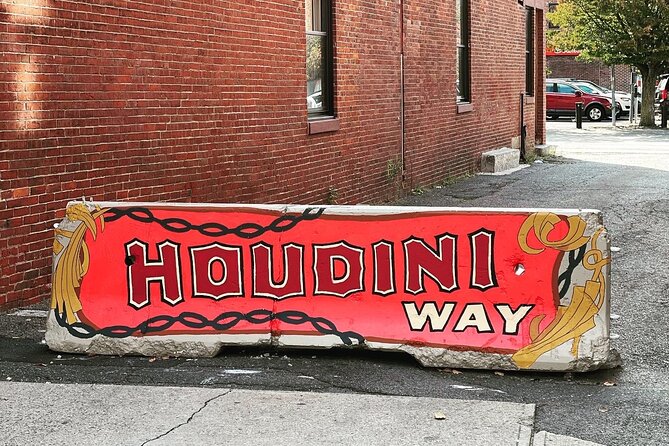
The tour starts at 1 Houdini Way, Salem, MA 01970. The ending point is Salem Witch Trials Memorial, 24 Liberty St, Salem, MA 01970, next to the Charter St burying point.
You’ll also want to plan around crowd flow. One practical reality of Salem is that foot traffic and traffic can be intense near peak season. If you’re driving, give yourself extra time and expect less-than-easy parking.
Logistics are straightforward:
- You’ll receive confirmation at booking time.
- It’s offered in English.
- You’ll use a mobile ticket.
- Service animals are allowed.
- It’s near public transportation.
- There’s a weather dependency: it requires good weather, and you’ll be offered a different date or a full refund if poor weather cancels it.
Stop 1: Salem Old Town Hall (and the Hocus Pocus connection)
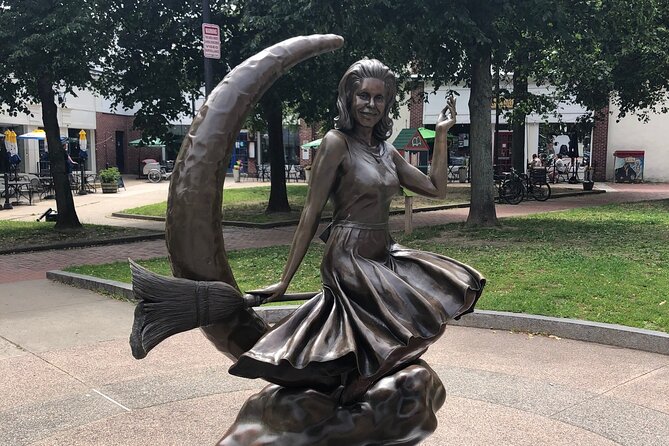
You begin at Salem Old Town Hall. This stop matters as a setting and a symbol: it’s historic on its own, and it’s also known as a filming location for the classic Halloween movie Hocus Pocus. That pop-culture link is useful early on because it gives the tour an entry point before the story turns darker.
Important note: you don’t go inside. You’ll stop at the location and learn from the sidewalk. For most people, that’s fine. The value here is context—starting the tour in a recognizable landmark helps you orient fast.
Potential drawback: if you came hoping for inside access on day one, this first stop will feel like a quick exterior preview.
Stop 2: John Ward House and the people behind the warrants
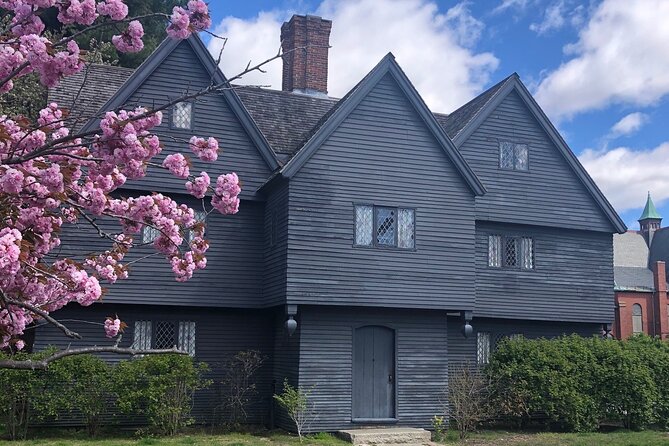
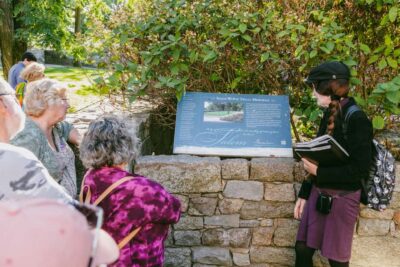
Next is the John Ward House, another exterior stop. This is where the story tightens around responsibility and power. The tour frames the site as tied to Sheriff Corwin—described as the High Sheriff of Essex County—and explains how, during the trials, he served in multiple roles, including issuing warrants and conducting interrogations.
What I like about this stop is that it moves the story away from superstition alone and toward the system that enabled it. Salem wasn’t just a community of frightened individuals. It was also an environment where officials used process—then used cruelty inside that process.
Again, no interior visit. You’re learning what the location represents, not touring rooms.
Stop 3: Rockafellas and the First Church meeting house site
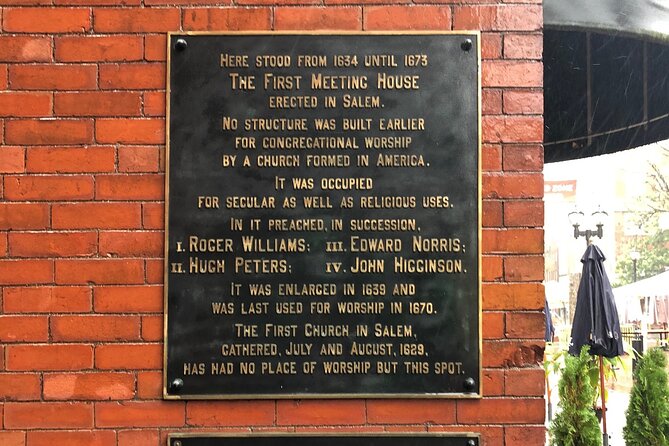
At Rockafellas Restaurant, you’re standing on a place that served multiple civic roles—described as the site of the First Church of Salem and the city meeting house in 1692.
This stop is a reminder that the trials were not kept in some far-off corner. They were entangled with the institutions people used every day: worship, governance, and community decision-making.
No admission is involved, and you don’t go inside. The restaurant itself is there, but your focus is historical interpretation from outside the building.
Half an hour north, Salem keeps going. More trips
- Salem’s Best Ghost Tour★ 4.5 · 4,186 reviews
- Bewitched Walking Tour of Salem★ 5.0 · 1,895 reviews
- Mysteries and Murders of Salem Guided Night-Time Walking Tour★ 5.0 · 1,488 reviews
- The Salem Witch Walk★ 4.5 · 1,301 reviews
- 2.5-Hour Salem History & Sightseeing Guided Walking Tour★ 5.0 · 850 reviews
Stop 4: 93 Washington St and the courthouse ground
Then you reach 93 Washington St, a location where a courthouse once stood. The building is long torn down, but the tour uses the adjacent road area to point you to the place where the trials took place.
This is one of those stops where you feel the difference between “old Salem that still exists” and “old Salem that’s only remembered.” Because there’s no structure to walk through, the guide’s explanation becomes the bridge. If you want the courthouse story explained clearly, this is where the tour can feel most direct.
Admission is free at this stop, and you still do not go inside. You’re there for the story and the location.
Stop 5: Turner’s Seafood at Lyceum Hall and Bridget Bishop’s land
At Turner’s Seafood at Lyceum Hall – Salem, you’ll learn about the Lyceum Hall area that’s now a restaurant. The tour ties this property to Bridget Bishop, described as the first person executed in the Salem witchcraft trials.
This stop is useful because it puts a human face behind an often-abstract topic. You’re not just seeing where events happened. You’re hearing why certain accusations escalated—and how quickly lives could be ruined once a person became targeted.
No interior access. It’s an exterior stop tied to the land’s historical ownership.
Stop 6: 10 Federal St and the conditions in the jail
At 10 Federal St, the tour moves to what happened after arrest—time spent awaiting trial. The location is described as near the old Salem Goal (jail), with emphasis on accused people spending months in conditions that were radically inhumane.
If you’re hoping for a darker, more uncomfortable part of the story, this is where it lands. It also helps the tour feel honest. Many Salem narratives skip the day-to-day reality and focus only on the final outcome. Here, the focus includes the waiting period and what that meant for people accused of witchcraft.
No building visit here either. You learn through the guide’s framing of what the site represented.
Stop 7: Salem Witch Trials Memorial (1993) and the meaning of an ending
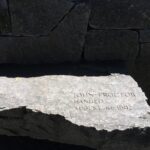
Finally, you reach the Salem Witch Trials Memorial. The tour explains that those executed in 1692 were not given formal burial, and the memorial—dedicated in 1993—is what people use today to pay respects.
This last stop is where the tour earns its emotional weight. It gives you closure in a way a random history stop often can’t. You don’t just hear what happened; you end with a place meant for remembrance.
No admission is required, and you don’t go inside. The experience ends at the memorial area near the Charter St burying point, so it’s a respectful finish you can also extend by walking around nearby independently.
What makes the guides matter: facts, tone, and pacing
A recurring theme in the tour’s best experiences is how the guide blends dark subject matter with energy. In the feedback I saw, a guide named Jeffrey (also written as Jeff in some notes) came up repeatedly as funny, engaging, and able to handle the darker side of the story without skipping context.
That’s more important than it sounds. Witch trials can turn into either a spooky story scavenger hunt or a dry lecture. A good guide keeps it grounded: clear connections between locations, clear explanations of why accusations spread, and a tone that holds attention without turning tragedy into entertainment.
Still, not every guide style will match every traveler. Some feedback indicates a mismatch when the guide spends extra time on unrelated topics or if the pace feels slow. This is a storytelling experience, so the guide’s style is part of the product.
How to make the most of your 90 minutes
Here’s how I’d set yourself up for the best experience.
Wear comfortable walking shoes. You’re moving through Salem streets for about 1 hour 30 minutes.
Check the weather before you go. The tour requires good weather, and they’ll reschedule or refund if poor conditions cancel it.
Arrive a few minutes early. Start is at 1 Houdini Way, and you’ll want time to find the group and settle in.
If you want the darkest parts explained, ask for it. The tour’s structure is built around trial-linked sites, and the best guides talk about consequences, not just origins. If your guide offers room for questions, that can shift the tour toward what you personally want to understand.
Plan your follow-on meal nearby. The tour ends at the memorial area, and it keeps you central in Salem. If you’re heading to food afterward, factor in typical Salem crowds—especially near peak times.
Should you book this Salem Witch Trials tour?
Book it if you want a value-priced, guided walking route that ties the Salem Witch Trials story to specific places you can see on the ground. It’s a strong fit for history lovers who don’t need building access and who like narrative storytelling that follows the chronology.
I’d skip it (or switch to another format) if you need interior tours and exhibits. This one is built around exterior stops and short site stops where you won’t enter buildings. Also consider whether you prefer a very strict, fast pace. If you’re sensitive to slow transitions or you want a more tightly focused talk with zero detours, you may want to look for a different style.
If you’re torn, here’s the practical takeaway: at $26 for about 90 minutes with city-licensed storytelling and an ending at the memorial, this is a smart way to get oriented in Salem’s witch trials narrative—then continue your day the way you want.
FAQ
How long is the Salem Witch Trials walking tour?
It’s about 1 hour 30 minutes (approx.).
How much does the tour cost?
The price is $26.00 per person.
Is admission included for the stops?
No. The tour is a walking tour with no admission included, and you’ll typically just stop at the listed sites.
Do you go inside any buildings during the tour?
No. The tour notes that you will not go inside at the listed stops.
Where does the tour start and end?
It starts at 1 Houdini Way, Salem, MA 01970 and ends at the Salem Witch Trials Memorial, 24 Liberty St, Salem, MA 01970.
What language is the tour offered in?
The tour is offered in English.
Is there a mobile ticket?
Yes. The tour uses a mobile ticket.
What group size should I expect?
The maximum group size is 44 travelers.
Can I bring a service animal?
Yes. Service animals are allowed.
What if the weather is bad?
This experience requires good weather. If it’s canceled due to poor weather, you’ll be offered a different date or a full refund.
Can I get a full refund if I cancel?
You can cancel for a full refund up to 24 hours in advance of the experience start time.
More of the Boston Ledger

The Witch City Docket
Salem, 1692 and After


New on the Boston Docket
- Private Walking Salem Legends Tour Professional Guide
★ 5.0 · 3 reviews - Pirates and Privateers Walking Tour with Real Pirates Admission
★ 4.5 · 3 reviews - Discover Salem’s History & Practice Authentic Witchcraft
★ 4.1 · 4 reviews - The Ghost Walk. Tortured Souls of Salem
★ 5.0 · 4 reviews - Cemetery and Witchcraft Trials Tour
★ 5.0 · 4 reviews
Salem Day Trips & Tours, compared.
 ★ 5.0History and Hauntings of Salem Guided Walking TourFrom $3614,564 reviews
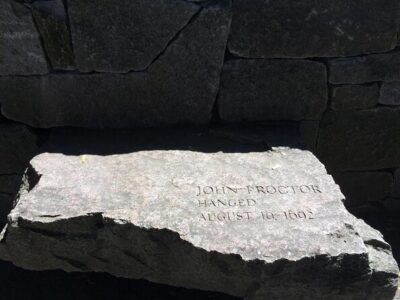 ★ 4.5Salem’s Best Ghost TourFrom $304,186 reviews
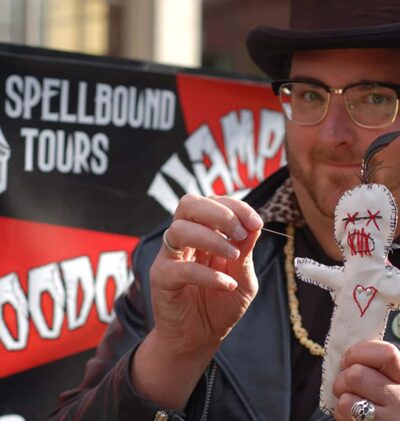 ★ 5.0Salem Voodoo, Vampires, and Ghosts Guided Walking Tour1,931 reviews
 ★ 5.0Bewitched Walking Tour of SalemFrom $351,895 reviews
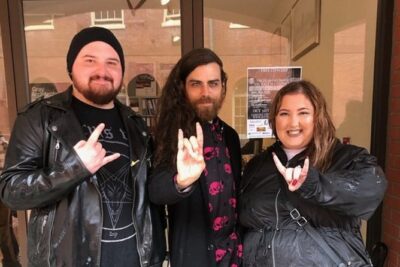 ★ 5.0Satanic Salem Walking TourFrom $301,635 reviews
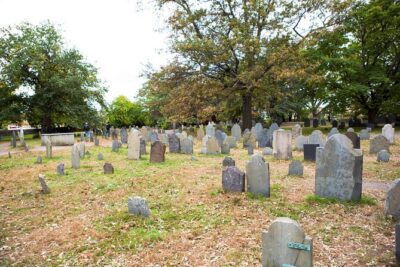 ★ 5.0Mysteries and Murders of Salem Guided Night-Time Walking TourFrom $361,488 reviews
 ★ 4.5The Salem Witch WalkFrom $251,301 reviews
 ★ 5.0Wicked Awesome Tours: Witch Trial History and Salem Haunts!From $291,032 reviews
Browse the lists this tour appears in