
REVIEW · SALEM DAY TRIPS & TOURS
Salem: 1692 Witchcraft Trials Walk
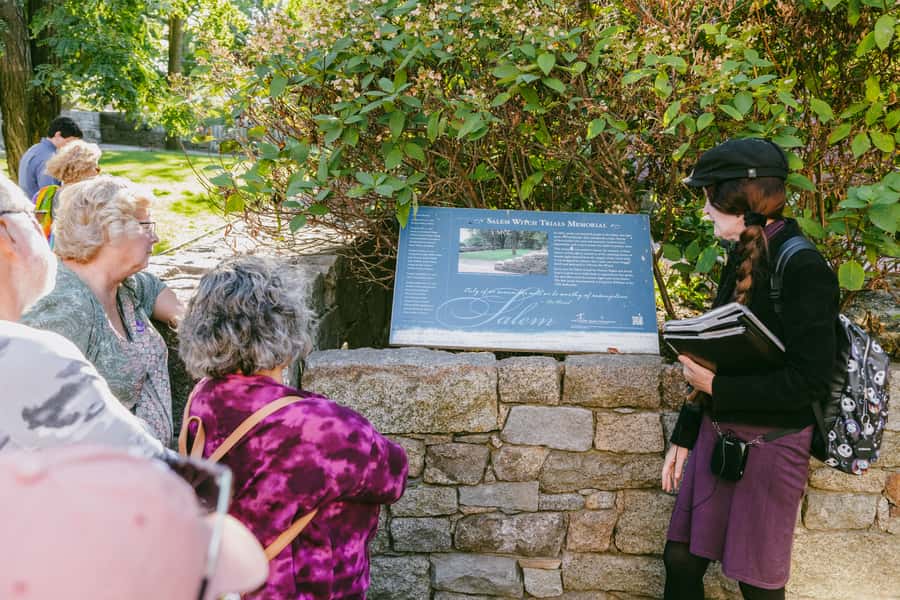
Fear had a street address in 1692. This Salem Witchcraft Trials walk brings you face-to-face with how fear, politics, and personal grudges turned into arrests and deaths. I like that it keeps the focus on real places like the jails and the court area, not just spooky stories.
I especially love the human angle. The tour explains how neighbor testified against neighbor, and how family rivalries helped fuel the spiral. Second, the guides seem to bring energy and interaction—names like Christine and Bob pop up in the feedback for being funny and very engaging.
One consideration: with 8 to 10 stops in just 1.5 hours, the pace is brisk. If you want extra time to linger at every site, you may feel slightly rushed.
In This Review
- Key points to know before you go
- Why the 1692 Salem trials moved from fear to accusations
- Starting at 8 Central Street and getting your bearings fast
- Jails and court house: seeing the machinery of blame
- Judges and accused homes: where neighbors became witnesses
- The fits, the Devil, and the logic of panic
- Your 1.5-mile walk: pace, stops, and hearing the guide
- Value check: is $25 worth 1.5 hours of Salem history?
- Who should book this witch trials walking tour?
- Should you book this Salem Witchcraft Trials walk?
- FAQ
- How long is the Salem: 1692 Witchcraft Trials Walk?
- Where does the tour start?
- How much does it cost?
- How many stops are included?
- How far do you walk?
- Is the tour wheelchair accessible?
- Does the tour run in bad weather?
- What should I bring?
- Are there limits on recording?
- FAQ
- What languages is the tour offered in?
- Is free cancellation available?
- Can I reserve without paying right away?
- Are there discounts for certain groups?
Key points to know before you go
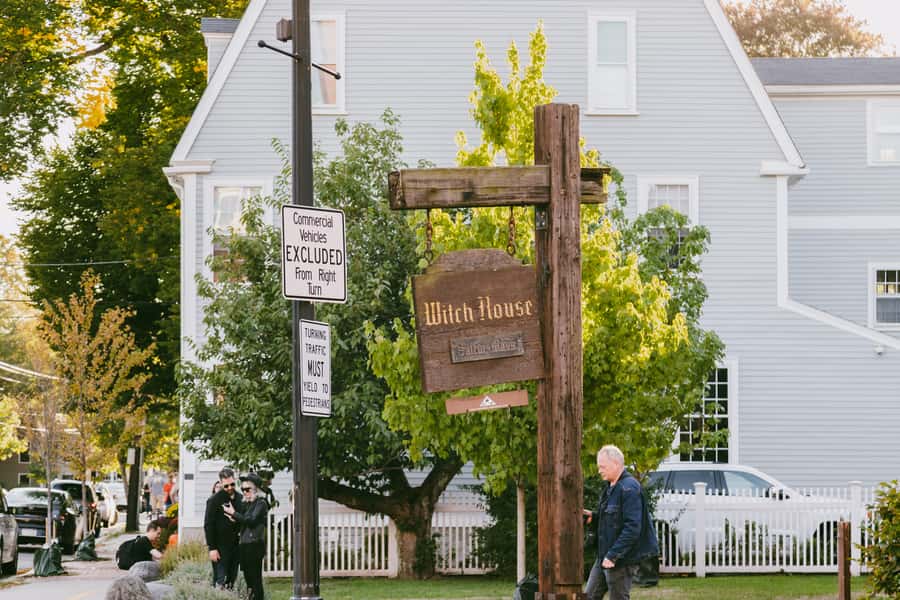
- Meet at 8 Central Street in the corner brick building at Essex and Central with purple signs
- Jail and courthouse stops explain how the process turned into tragedy
- Judges and accused homes show how close the conflict was in a small town
- Two girls’ fits to Devil fear is a core storyline that ties many stops together
- A little over a mile on a fairly flat route, with an amplifier for large groups
- Rain or shine with a live English-speaking guide
Why the 1692 Salem trials moved from fear to accusations
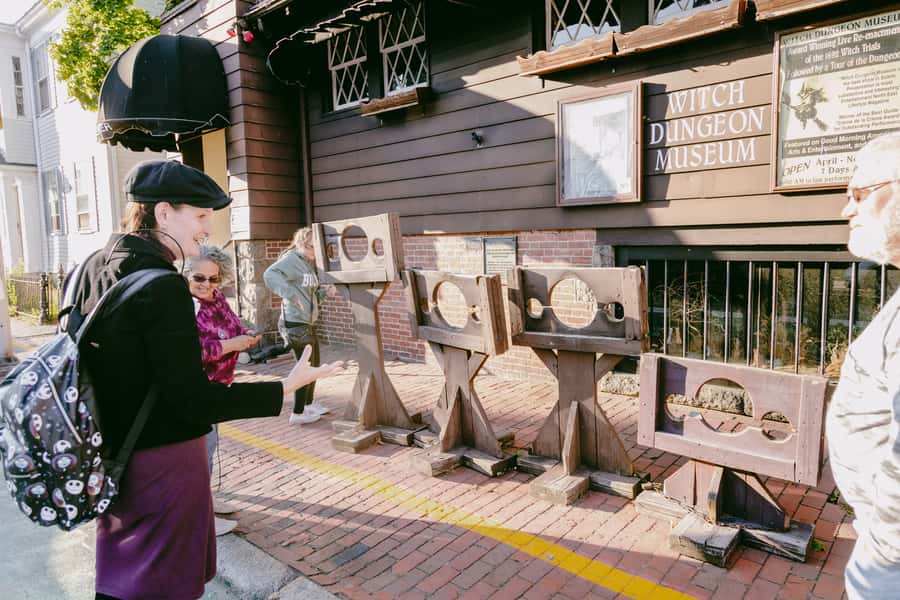
Salem in 1692 was small enough that everyone knew someone involved. That’s part of what makes this tour so gripping: you’re not just learning about a court case, you’re watching how a community mindset can harden fast. The events kick off with fear that spreads, then gets official power behind it.
The basics are clear. In 1692, twenty people were executed, and five more died in jail. The number often lands as 25 innocent lives when you add the jail deaths to the executions. The tour’s approach is to connect that outcome to what happened in between: panic, testimony, and escalating accusations.
You also get the emotional engine spelled out. It wasn’t one big misunderstanding that stayed contained. It was political turmoil, family rivalries, and a brutal “trust no one” atmosphere. In that environment, a rumor can become evidence overnight.
Starting at 8 Central Street and getting your bearings fast
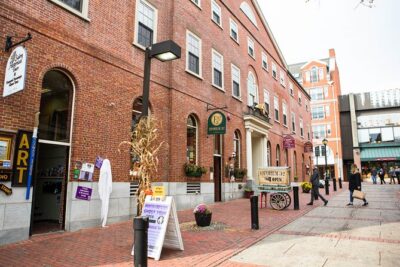
Your tour starts at 8 Central Street, in that big brick building on the corner of Essex and Central with purple signs. It’s a helpful starting point because you begin in the center of town activity and can settle in before the walk proper begins.
This first moment matters more than you might think. The guide sets the tone for the whole story—what you’ll be looking for at each stop and how the accusations built. Since the tour lasts about 1.5 hours, that early framing helps you keep the timeline straight.
From there, you’ll move through town to key sites tied to both the judges and the accused. Even if you’ve read bits and pieces about Salem before, the walking format forces you to see how close these roles were to each other—judges, prisoners, and families living within the same streets.
The 1692 story has more chapters than one walk covers
Jails and court house: seeing the machinery of blame
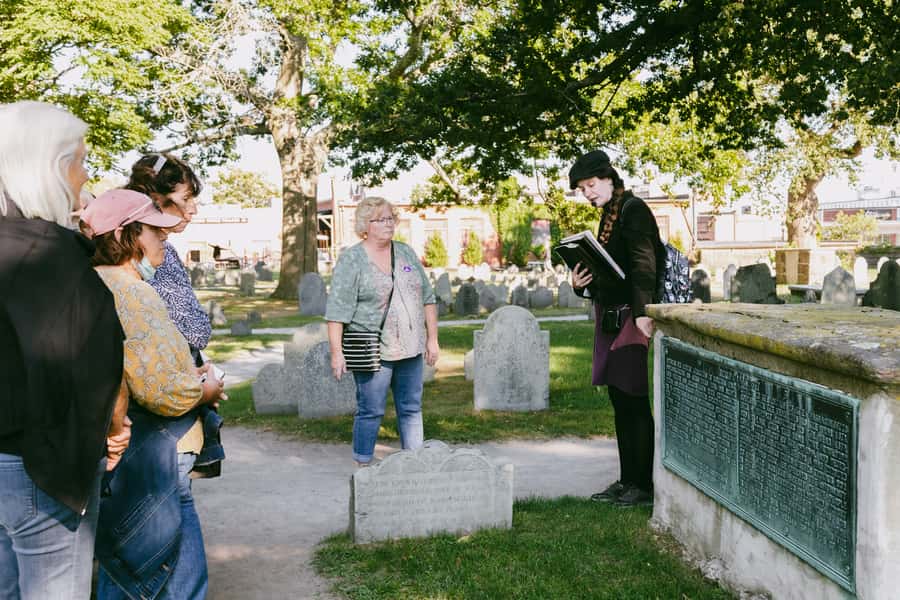
One of the most valuable parts of this tour is that it doesn’t treat the trials like a distant event. You’ll visit the jails where suspected witches were held, which gives you a sense of what happened after accusation. This is where the story turns from talk to consequences.
Then comes the court area: the court house stop helps you understand how decisions got made. Even without turning it into a legal lecture, the guide makes the chain of events feel real. You learn how testimony and fear were enough to push people through a system that kept moving.
What I like about focusing on these spaces is that it changes the way you remember the famous headline. Instead of only thinking of Salem as a moment in history, you start thinking in steps: accusation, detention, testimony, judgment. That step-by-step feel is what makes the whole thing more than a story you already know.
A small practical note: the route is walked, and the tour includes 8 to 10 stops. So when you reach the jail and courthouse areas, try to stand where you can hear without craning—especially if you’re in a larger group. The guide uses an amplifier for large groups, which helps a lot.
Judges and accused homes: where neighbors became witnesses
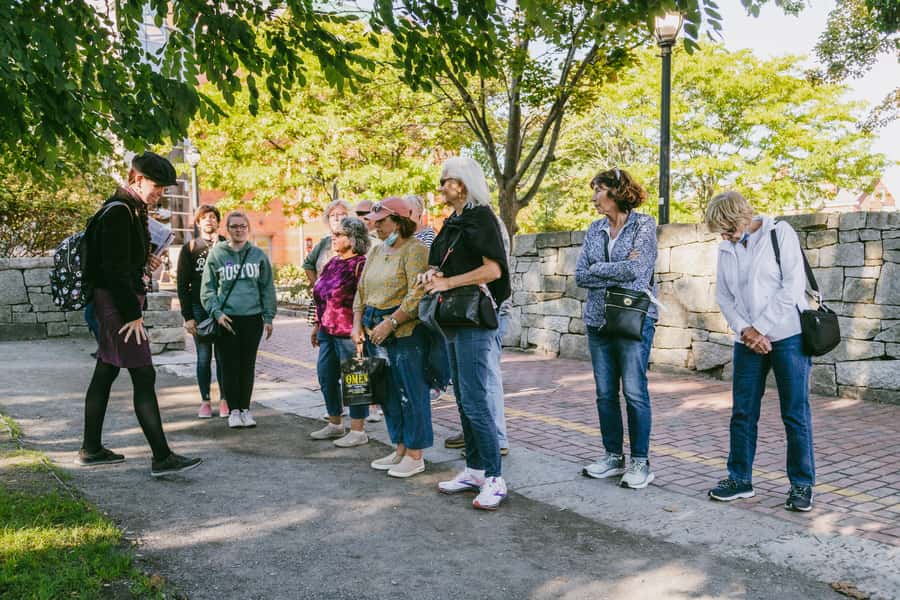
This is where the tour’s title becomes more than marketing. You don’t just learn who was accused; you see the homes of the judges and the accused. That choice matters because it emphasizes a chilling truth: the people in power and the people under suspicion lived close together.
The tour’s storyline explains that neighbor testimony against neighbor wasn’t random chaos. In a community like this, testimony could be tied to personal history—family rivalries, old disputes, and the social pressure of the moment. When you’re standing near homes connected to the events, those themes feel less abstract.
I also like that the guide pushes beyond the labels. You hear personal stories of people accused of witchcraft, not just a roll call of names. That approach keeps the event grounded in individuals, which is important when the topic is so easy to turn into pure spectacle.
One drawback to note: because you’re visiting residential-adjacent areas on foot, there’s no sense in expecting dramatic “sets.” The value is in the context the guide builds, and in how the streets help you picture how normal life collided with accusation.
The fits, the Devil, and the logic of panic
A core thread of the tour is the origin story: two girls having fits that spiraled into a frantic push to expel the Devil. That moment is often remembered as strange—but the tour frames it as a catalyst that triggered group fear and faster escalation.
Here’s what makes this part useful for you: it shows how an explanation can change behavior. Once people believed the threat was spiritual and urgent, the community mindset could justify almost anything. The tour ties that shift to the way accusations spread and how the process kept gaining momentum.
The guide also explains the emotional dynamic behind the testimony. It wasn’t calm investigation. It was a tense search for certainty. In that kind of pressure, people interpret signs through fear, and fear makes every interaction feel loaded.
If you care about the psychology of how rumors become truth, this section is a highlight. You’ll leave seeing hysteria as a social process, not just a historical oddity.
Your 1.5-mile walk: pace, stops, and hearing the guide
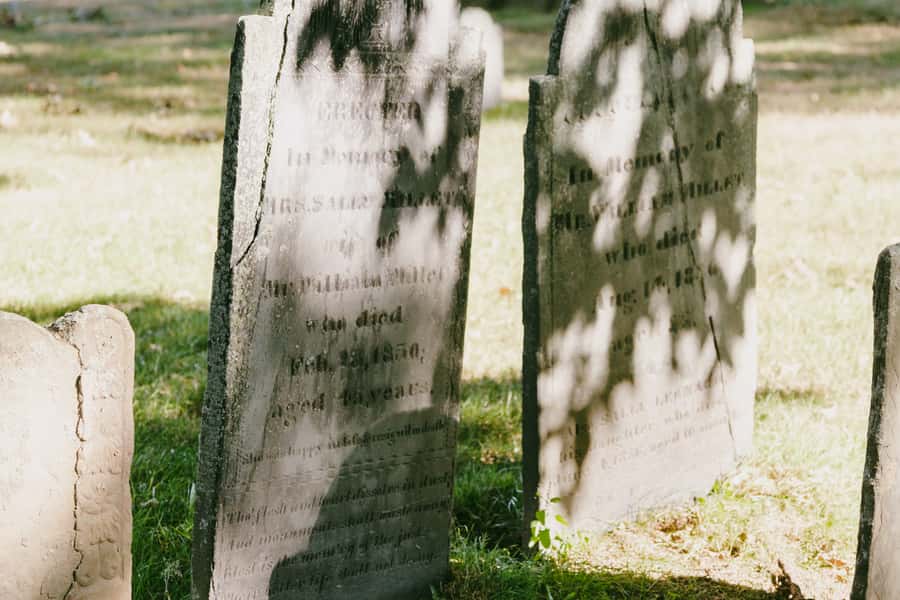
Plan on about 1.5 hours total, with starting times that vary by availability. The walking distance is a little over a mile, and the route is fairly flat, which helps if you’re managing mobility. It’s also wheelchair accessible, and the tour uses the live guide setup with an amplifier for larger groups.
Because you’ll hit 8 to 10 stops, wear comfortable shoes and keep your pace steady. This isn’t a sit-and-summarize tour every five minutes. It’s more like: hear, walk, orient, listen again, then repeat.
If weather is iffy, you’re covered. Tours operate rain or shine. Bring weather-appropriate clothing so you’re not thinking about cold hands or wet shoes while you’re trying to follow the story.
There are also a few rules that keep things smooth for everyone: no smoking, and no video or audio recording. Since the guide is narrating the key connections, you’ll get more out of it if you focus on listening rather than capturing clips.
Half an hour north, Salem keeps going. More trips
- Salem’s Best Ghost Tour★ 4.5 · 4,186 reviews
- Bewitched Walking Tour of Salem★ 5.0 · 1,895 reviews
- Mysteries and Murders of Salem Guided Night-Time Walking Tour★ 5.0 · 1,488 reviews
- The Salem Witch Walk★ 4.5 · 1,301 reviews
- 2.5-Hour Salem History & Sightseeing Guided Walking Tour★ 5.0 · 850 reviews
Value check: is $25 worth 1.5 hours of Salem history?
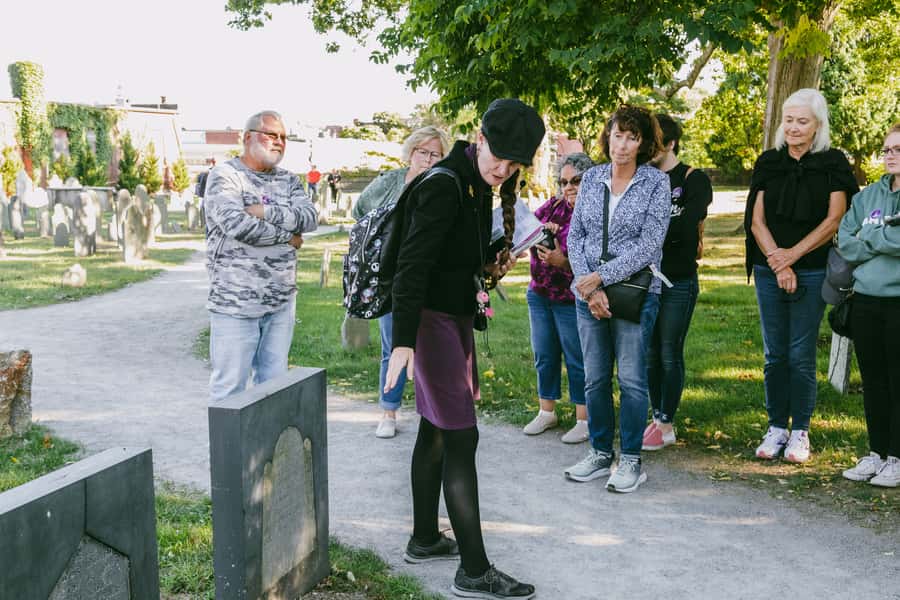
At $25 per person, this is priced like a straightforward, city-walk tour. The value comes from three things you’re actually getting, not just the Salem name: guided storytelling, multiple specific locations, and a tight time window that’s easy to fit into a day.
This tour stands out in the way it covers the full arc. You’re not only seeing where people accused others; you’re seeing jails, the court house area, and homes tied to judges and the accused. That range helps you connect the dots quickly in 90 minutes.
The cost is also consistent across several categories: students, seniors, and military pay the same. You can get discount categories with ID, including veterans, police, firefighters, teachers, EMTs, nurses, and Salem residents.
If you’re deciding between jumping into Salem’s general attractions or adding one guided history thread, I’d steer you toward this walk if you want a structured narrative. The rating sits at 4.2 with 271 reviews, and the most repeated praise is about guides holding attention, using humor, and interacting.
Who should book this witch trials walking tour?
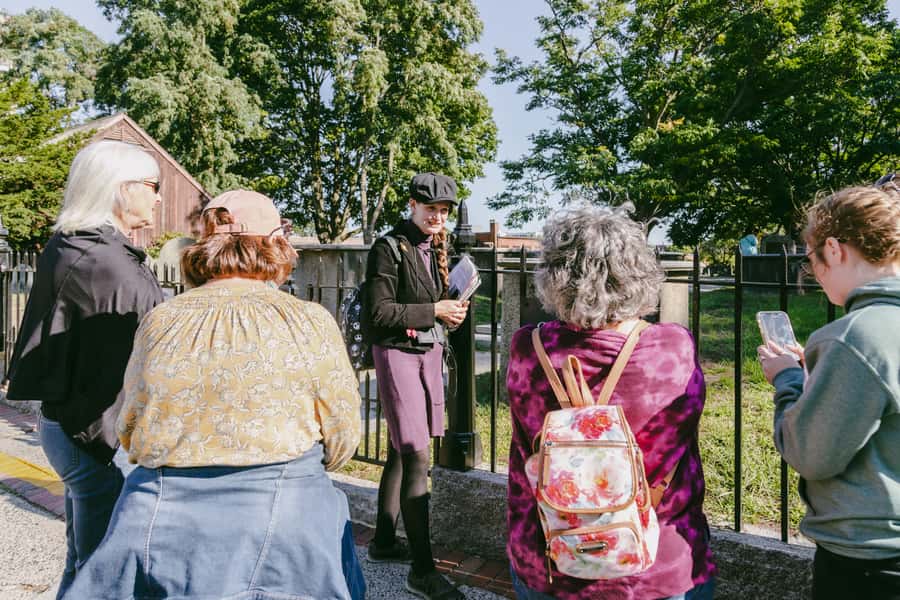
This is a strong pick if you like guided history with a clear storyline and real-world stops. It works well for:
- Families with kids who can handle a darker topic, especially when the guide keeps it engaging with humor and interaction
- History buffs who want the human connections and not just dates
- People visiting Salem for the first time who want the core 1692 story organized in an easy route
It’s also ideal if you enjoy questions. Many guides in the feedback are described as personable and responsive, which is the kind of experience that turns a good tour into a memorable one.
If you’re expecting a quiet museum-style experience where you can slow down at each site, you might not love the pace. But if you want a time-efficient, street-level walkthrough that explains how the tragedy unfolded, this fits.
Should you book this Salem Witchcraft Trials walk?
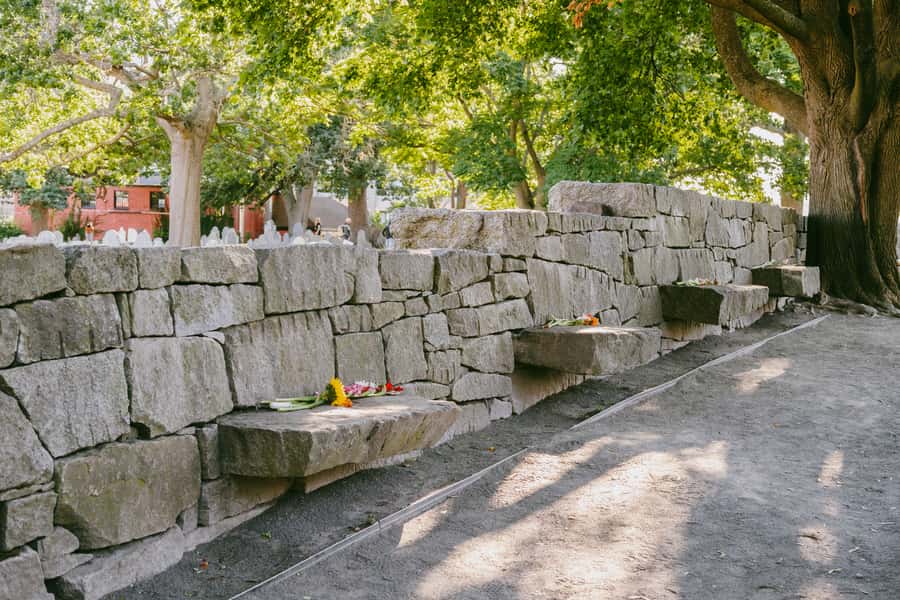
I think it’s a yes for most first-time Salem visitors who want context that’s more thoughtful than the usual witch hype. The guide-led jail-to-court-to-homes structure is the big reason. It turns a headline into a chain of cause and effect you can picture street by street.
Book it if you’re happy with a brisk 1.5-hour walk and you want to understand why the accusations surged. Skip it if you need lots of free time to linger, or if you prefer strictly sunny, lighthearted attractions in Salem.
FAQ
How long is the Salem: 1692 Witchcraft Trials Walk?
The tour lasts 1.5 hours.
Where does the tour start?
Meet at 8 Central Street, in the big brick building at the corner of Essex and Central Streets with purple signs.
How much does it cost?
The price is $25 per person.
How many stops are included?
There are 8 to 10 stops during the walk.
How far do you walk?
The total walking distance is a little over a mile.
Is the tour wheelchair accessible?
Yes. The tour is wheelchair accessible, and the route is fairly flat.
Does the tour run in bad weather?
Yes. Tours operate rain or shine.
What should I bring?
Bring comfortable shoes and weather-appropriate clothing.
Are there limits on recording?
Yes. Video recording and audio recording are not allowed, and smoking is not allowed.
FAQ
What languages is the tour offered in?
The live tour guide speaks English.
Is free cancellation available?
Yes. You can cancel up to 24 hours in advance for a full refund.
Can I reserve without paying right away?
Yes. It offers reserve now & pay later, meaning you can book your spot and pay nothing today.
Are there discounts for certain groups?
Yes. Discount categories (with valid ID) include Veterans, Police, Firefighters, Teachers, EMTs, Nurses, and Salem Residents. The pricing is also listed as the same for students, seniors, or military.
More of the Boston Ledger



The Witch City Docket
Salem, 1692 and After



New on the Boston Docket
- Private Walking Salem Legends Tour Professional Guide
★ 5.0 · 3 reviews - Pirates and Privateers Walking Tour with Real Pirates Admission
★ 4.5 · 3 reviews - Discover Salem’s History & Practice Authentic Witchcraft
★ 4.1 · 4 reviews - The Ghost Walk. Tortured Souls of Salem
★ 5.0 · 4 reviews - Cemetery and Witchcraft Trials Tour
★ 5.0 · 4 reviews
Salem Day Trips & Tours, compared.
 ★ 5.0History and Hauntings of Salem Guided Walking TourFrom $3614,564 reviews
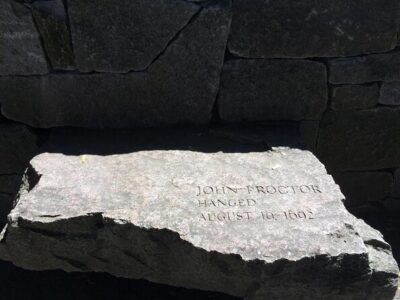 ★ 4.5Salem’s Best Ghost TourFrom $304,186 reviews
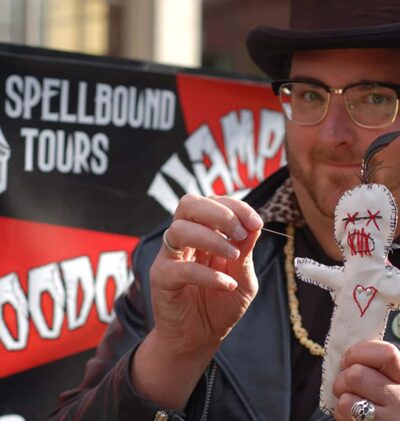 ★ 5.0Salem Voodoo, Vampires, and Ghosts Guided Walking Tour1,931 reviews
 ★ 5.0Bewitched Walking Tour of SalemFrom $351,895 reviews
 ★ 5.0Satanic Salem Walking TourFrom $301,635 reviews
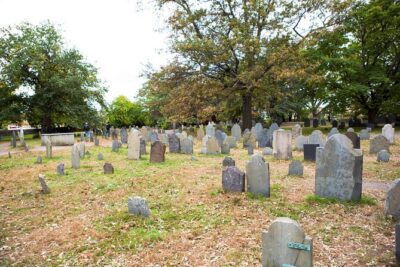 ★ 5.0Mysteries and Murders of Salem Guided Night-Time Walking TourFrom $361,488 reviews
 ★ 4.5The Salem Witch WalkFrom $251,301 reviews
 ★ 5.0Wicked Awesome Tours: Witch Trial History and Salem Haunts!From $291,032 reviews
Browse the lists this tour appears in