
REVIEW · SALEM DAY TRIPS & TOURS
Discover Salem’s History & Practice Authentic Witchcraft
Salem is history with spell ingredients. This 2-hour, 1.5-mile walk turns famous stops into hands-on witchcraft practice, with you making space for rituals and casting your first spell along the way. Starting at Ropes Mansion, you connect the Salem story to pop culture, then shift into what people believed, feared, and tested in 1692.
I especially love the mix of real historic landmarks and practical activities, not just storytelling from the curb. The small coven-style group (max 15) means the guide, including A J from the area, can keep things moving and answer your questions. One drawback to consider: the tour takes a fair amount of walking and standing, so if you dislike being on your feet for about 120 minutes, it might feel like a grind.
In This Review
- Key things to know before you go
- Ropes Mansion Start at 318 Essex St: Hocus Pocus Meets Salem Roots
- Circle Casting in the Gardens: Your First Practical Spellwork
- Witch House at Salem: 1692 Accusations, Condemnation Tests, and Real Places
- Old Town Hall, Witch Trial Memorial, and Samantha-Style Pop Icons
- Divination Reading and Colonial Mindsets: Magic as a Social Tool
- Maritime Trade, Revolutionary War Threads, and a Spell with a Cabinet Ingredient
- Salem’s Golden Age, Laurie Cabot, Nathaniel Hawthorne, and the Derby Wharf Turn
- How Much Is $52 Worth for 2 Hours of Witchcraft and History?
- Practical Tips for the 1.5-Mile Walk and Real-World Comfort
- Who This Salem Tour Fits Best
- Should You Book This Green Witch Tours Salem Experience?
- FAQ
- How long is the tour?
- How far will I walk?
- Where do I meet the guide?
- What is the starting address?
- Where does the tour end?
- What is included in the price?
- How much does it cost?
- What should I bring?
- Is the tour wheelchair accessible?
- Is free cancellation available?
Key things to know before you go
Ropes Mansion start at 318 Essex St ties the tour to Hocus Pocus filming location history
Circle Casting ritual helps you create sacred space before spellwork
Witch House and 1692 test lets you reenact how accusations could play out
Witch Trial Memorial and cobblestone walk keep the 1692 story grounded in place
Spells include ingredients to take home so you get more than photos
Ropes Mansion Start at 318 Essex St: Hocus Pocus Meets Salem Roots
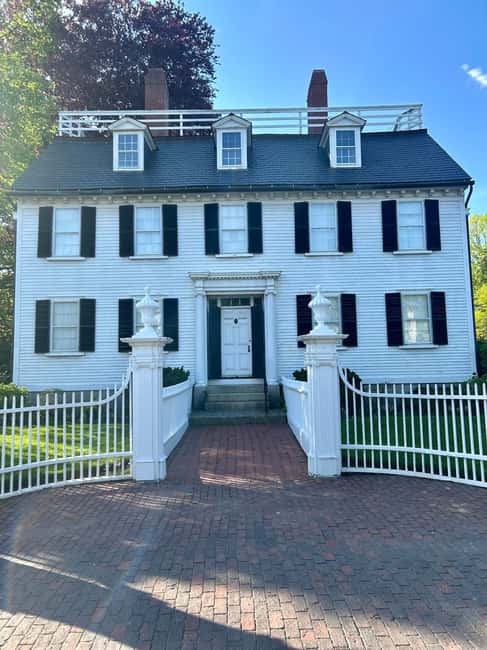
The tour kicks off at 318 Essex St, meeting at the white fence toward the front door of Ropes Mansion. That matters because it sets the tone: Salem here is both a real place and a place people have turned into myth, movie, and TV set dressing.
You’ll start by connecting the mansion to Alison’s house in Hocus Pocus, then get pulled into the older layers beneath the fame. Expect talk about why families left Europe for the New World and what that movement changed for daily life, fear, and faith in Massachusetts.
If you like travel that feels specific, this is a good start. A lot of Salem tours float around “witch history” in general terms. This one begins with a named property and a named story, so you can actually picture where events happened.
Circle Casting in the Gardens: Your First Practical Spellwork
Before Salem’s courthouse drama and memorials, you get your hands involved at Ropes Mansion and Garden. The tour starts the craft portion with a protection ritual called Circle Casting, where you create sacred space before doing anything else.
Then you cast your first spell. The key point for your expectations is that this is not just a lecture about magic. It is practice through spells and rituals, with a beginner-friendly introduction so you are not required to know anything ahead of time.
I like this ordering. It prevents the tour from becoming only grim and heavy. You learn the structure of the ritual first, then you go see where the Puritans’ worldview crushed people who did not fit.
Plan for a little active participation. Even if you are skeptical, you’ll still get a chance to follow along and see what the ritual process feels like in a group setting.
The 1692 story has more chapters than one walk covers
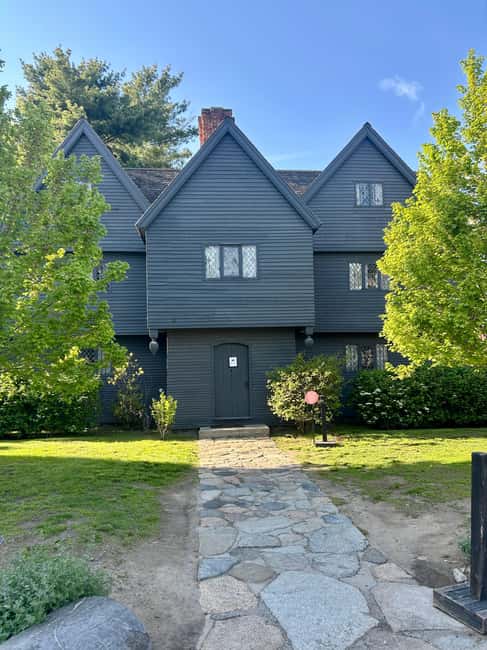
Witch House at Salem: 1692 Accusations, Condemnation Tests, and Real Places
The next big stop is the Witch House at Salem, a place you visit as part of the 1692 story. This is where the tour turns from craft practice into what actually happened during the witch trials period.
You’ll learn what was claimed, how the process worked, and what people used to decide guilt. Then comes one of the most intense moments: you will enact a test to see if you would have been condemned as a witch or saved as a pious puritan.
That setup is useful even if you are not into witchcraft. It helps you understand the logic of the time, including how certainty got built from fear. Instead of treating the trials as a random tragedy, you see the mechanism people believed in.
A potential consideration: because the tour covers accusations and trials, it can feel emotionally heavy. The guide frames it as history and belief systems, but you are still stepping into a period defined by punishment.
Old Town Hall, Witch Trial Memorial, and Samantha-Style Pop Icons
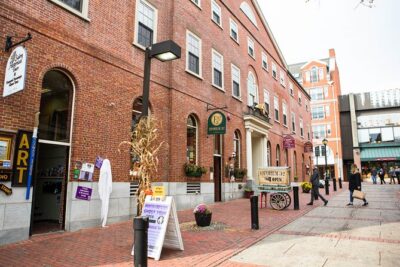
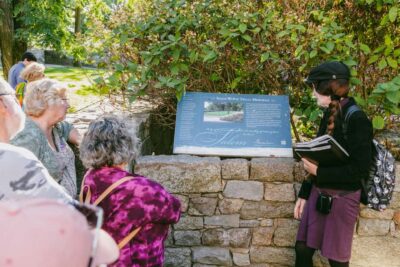
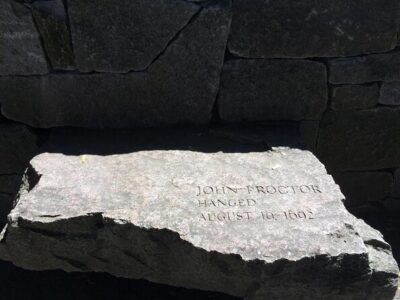
After the Witch House, you continue walking through Salem’s early-modern streets, with stops that put the trials into physical context. You’ll visit Old Town Hall and then the Salem Witch Trials Memorial, where you hear stories connected to victims and the events that surrounded them.
On the streets between stops, expect cobblestone roads, plus murals and colonial-era buildings that help you orient the story. You are not only hearing about Salem; you are seeing the same kind of streets and building frontage people would have recognized.
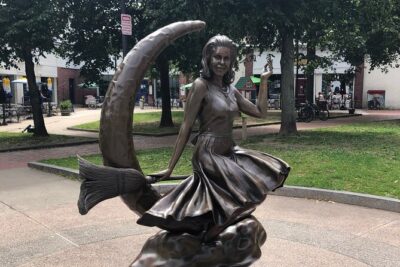
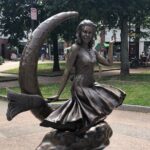
Then the tour adds a pop-culture beat: you’ll pass the famous statue of Samantha from Bewitched. That sounds whimsical, but it actually has a purpose. It shows how witch imagery shifted over time—from terror and punishment to entertainment and branding.
If you want your Salem trip to go beyond witch trial dates, this mix helps. It gives you a complete feel for how a city remade its image when it moved from colonial-era fear to tourism-driven mythmaking.
Divination Reading and Colonial Mindsets: Magic as a Social Tool
One part I found especially interesting is the tour’s focus on divination. The guide explains its controversial importance in the colonial world and also its role in the craft today, so you can compare how the same idea can mean different things depending on who is using it.
You even get a little reading of your own. That keeps the tour from staying purely academic and gives you a hands-on experience you can reflect on later.
This is where the tour becomes most useful for you as a traveler. Salem is full of “you must believe” vibes from some corners, and pure museum-style history from others. Here, the tour treats belief as something people practiced, argued over, and used to make sense of uncertainty.
If you are traveling with someone who is more skeptical, divination is a good bridge. They might not like the conclusions, but they can still appreciate the cultural history of how people tried to predict outcomes.
Maritime Trade, Revolutionary War Threads, and a Spell with a Cabinet Ingredient
After the trials portion, the tour steps into Salem’s next era. You’ll learn about Salem’s maritime trade industry in the 18th and 19th centuries, and how that wealth and influence shaped the city’s identity.
You also connect Salem to the American Revolutionary War, including Lieutenant Colonel Leslie’s retreat. This matters because Salem’s story does not end in 1692. The city evolves, and the tour shows that shift instead of letting it freeze in time.
Then you practice more magick using a historical ingredient that many people have sitting in their cabinet. The exact ingredient isn’t specified here for you, but the idea is clear: you get another hands-on moment that ties the craft to daily items rather than fancy, hard-to-find supplies.
This part helps you feel the tour’s theme: history isn’t just something you look at. It is something people used, carried, feared, and brought into ordinary routines.
Half an hour north, Salem keeps going. More trips
- Salem’s Best Ghost Tour★ 4.5 · 4,186 reviews
- Bewitched Walking Tour of Salem★ 5.0 · 1,895 reviews
- Mysteries and Murders of Salem Guided Night-Time Walking Tour★ 5.0 · 1,488 reviews
- The Salem Witch Walk★ 4.5 · 1,301 reviews
- 2.5-Hour Salem History & Sightseeing Guided Walking Tour★ 5.0 · 850 reviews
Salem’s Golden Age, Laurie Cabot, Nathaniel Hawthorne, and the Derby Wharf Turn
As you move toward the end of the walk, you’ll step into what the tour calls Salem’s golden age. You’ll hear about the inevitable reasons that era ended and how Salem rebranded itself through tourism, including the area around Derby Wharf.
The tour also name-drops cultural figures tied to Salem, including Nathaniel Hawthorne. You’ll also hear about Laurie Cabot, referenced as Salem’s official witch, which adds a modern anchor to the story.
For me, the value here is perspective. A city built on fear and accusation doesn’t stay locked in that role. Over time, Salem turns its mythology into a product, and you can watch that transformation in the route’s pacing—from grave history stops to more upbeat landmarks and finished with a maritime site.
When you reach the final destination, you’ll finish at Salem Maritime National Historic Site, which gives the whole tour a sense of closure. The witch trials are part of Salem’s identity, but so is the sea—and that balance is what makes the story feel real.
How Much Is $52 Worth for 2 Hours of Witchcraft and History?
At $52 per person for about 2 hours, the price makes sense if you care about two things: doing activities and getting context at multiple stops.
You are paying for more than a guided walk. The tour includes spell ingredients needed to create a few spells you can bring home, plus a beginner-friendly introduction to the craft. That inclusion is a practical value add because it turns the experience into something you can repeat or at least remember with a physical takeaway.
You also get a small group experience with a max group size of 15. In a walking tour, group size affects how much the guide can manage and how quickly you can ask questions. This format generally keeps the pace human-sized.
Is it a bargain compared with a standard history tour? Maybe not. But it is a different product. If you want Salem as a hands-on, practical, belief-and-history experience—this price is in the right neighborhood.
Practical Tips for the 1.5-Mile Walk and Real-World Comfort
This tour walks about 1.5 miles and lasts 120 minutes, so treat it like a light city hike. Wear comfortable shoes and bring water, since you will be on your feet through multiple guided stops.
Dress for the weather. The tour is outdoors in between points, including on cobblestone stretches. Also plan on sitting or standing in short bursts as the guide explains ritual steps and history context.
If you are using mobility supports, this tour is listed as wheelchair accessible. That said, the best move is to wear comfortable layers and go in expecting some uneven, historic street surfaces.
Who This Salem Tour Fits Best
Choose this tour if you want a Salem visit that mixes three things in one run: historic locations, hands-on ritual practice, and a story that connects 1692 fear to later pop culture and tourism.
You’ll likely enjoy it most if:
- You like interactive experiences instead of only watching and listening
- You want context for Salem’s witch trial era, not just spooky vibes
- You enjoy learning how people used belief systems in everyday life
- You want a memorable takeaway, not only photos
If you want only museum-style history with zero participation, this may feel too active. And if walking and standing are hard for you, consider whether 2 hours on the move is comfortable.
Should You Book This Green Witch Tours Salem Experience?
I think it is a strong pick for the right mindset. If you are curious about Salem’s witchcraft history and you like doing something with your hands—especially with a small-group format—this tour gives you a full, place-based storyline from Ropes Mansion to the Salem Maritime finish.
If your ideal Salem day is quiet, fully academic, and strictly lecture-based, you might prefer a different style. But if you want history with participation, and you like the idea of casting spells and walking the same city blocks tied to the trials, this one is worth your time.
FAQ
How long is the tour?
The tour lasts about 2 hours.
How far will I walk?
You will walk about 1.5 miles.
Where do I meet the guide?
Meet at the white fence toward the front door of Ropes Mansion.
What is the starting address?
The tour starts at 318 Essex St.
Where does the tour end?
The tour finishes at Salem Maritime National Historic Site.
What is included in the price?
The tour includes spell ingredients needed to create a few spells to bring home, plus a beginner-friendly introduction to the craft.
How much does it cost?
It costs $52 per person.
What should I bring?
Bring comfortable shoes, water, and comfortable clothes.
Is the tour wheelchair accessible?
Yes, the tour is listed as wheelchair accessible.
Is free cancellation available?
Yes, you can cancel up to 24 hours in advance for a full refund.
More of the Boston Ledger


The Witch City Docket
Salem, 1692 and After


New on the Boston Docket
- Private Walking Salem Legends Tour Professional Guide
★ 5.0 · 3 reviews - Pirates and Privateers Walking Tour with Real Pirates Admission
★ 4.5 · 3 reviews - Discover Salem’s History & Practice Authentic Witchcraft
★ 4.1 · 4 reviews - The Ghost Walk. Tortured Souls of Salem
★ 5.0 · 4 reviews - Cemetery and Witchcraft Trials Tour
★ 5.0 · 4 reviews
Salem Day Trips & Tours, compared.
 ★ 5.0History and Hauntings of Salem Guided Walking TourFrom $3614,564 reviews
 ★ 4.5Salem’s Best Ghost TourFrom $304,186 reviews
 ★ 5.0Salem Voodoo, Vampires, and Ghosts Guided Walking Tour1,931 reviews
 ★ 5.0Bewitched Walking Tour of SalemFrom $351,895 reviews
 ★ 5.0Satanic Salem Walking TourFrom $301,635 reviews
 ★ 5.0Mysteries and Murders of Salem Guided Night-Time Walking TourFrom $361,488 reviews
 ★ 4.5The Salem Witch WalkFrom $251,301 reviews
 ★ 5.0Wicked Awesome Tours: Witch Trial History and Salem Haunts!From $291,032 reviews
Browse the lists this tour appears in