
REVIEW · NORTH END & LITTLE ITALY FOOD WALKS
Boston’s North End History + Photo Walking Tour (SMALL Group)
Boston’s North End tells stories fast. In 90 minutes, you get the Freedom Trail basics plus the street-level details you’d miss solo. I like how the walk pairs iconic stops with phone-friendly photo guidance, and I really like the small group size that keeps the guide close enough to hear and correct your shots.
One thing to plan for: there are no restroom stops, so time it like you mean it. And since this area draws crowds, especially around festivals, you’ll want to be ready for lots of people moving through the same narrow streets.
In This Review
- Key things to know before you walk
- Why Boston’s North End photo walk feels like a cheat code
- Meeting up at Tony DeMarco Statue and getting oriented on Hanover Street
- Paul Revere’s House and the Revolution story behind a simple doorway
- North Square, the Paul Revere statue, and the “why here?” details
- Old North Church: what happened on April 18, 1775
- Salem Street and quick side-lane surprises
- All Saints Way: a tiny stop that changes the feel of the walk
- Paul Revere Mall: pedestrian promenade + strong photo lines
- Skinny House and the fascination of a narrow home
- The Freedom Trail cemetery stop and how to notice what matters
- How the guide uses your phone for better pictures
- Timing, pace, and what to expect on a 1 hour 30 minute walk
- Price and value: what $45 buys you in the real North End
- Who this tour fits best
- Should you book the North End History + Photo Walking Tour?
- FAQ
- Is this a small-group tour?
- What sites do we pass on this walk?
- How long is the tour?
- Is the tour wheelchair-friendly or easy walking?
- Are there restroom stops during the tour?
- Do I need to reconnect before the tour?
Key things to know before you walk
- Small group, max 15 people: you get real attention, not just a wave at each corner.
- Photo tips built for your phone: you’ll learn how to frame, time, and steady shots on the move.
- North End + Freedom Trail landmarks: Paul Revere’s House, Old North Church, and more on foot.
- Short, efficient stops: quick looks at several sights instead of one long detour.
- No restroom stops: go before you meet up.
- Phone or mobile ticket: you’ll check in digitally.
Why Boston’s North End photo walk feels like a cheat code
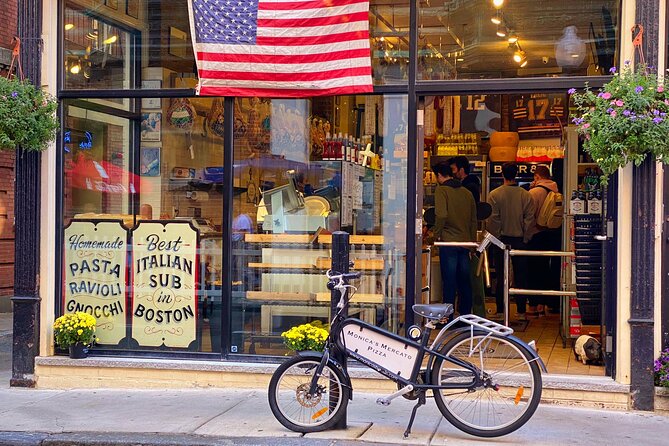
The North End can feel like two neighborhoods at once. You’ve got the postcard-famous monuments tied to the Revolution, and then you’ve got the everyday-life streets with bakeries, small storefronts, and local rhythms. This tour does both without getting stuck in a lecture mode.
The biggest advantage is the photo coaching. The guide helps you use your phone as a camera you can control—things like where to stand, how to line up angles, and how to avoid common blur or awkward composition when you’re surrounded by walkers. That means you leave with more than memories; you get actual usable photos.
The second big win is that you’re not just walking from landmark to landmark. You’re also getting the “how this neighborhood works” version of Boston history: what those Revolutionary-era moments meant, and how the North End grew into the place it is now.
Meeting up at Tony DeMarco Statue and getting oriented on Hanover Street
You start at the Tony DeMarco Statue at 191 Hanover St, right in the heart of the North End. The end point is Salem Street, so it’s a true walk-through experience rather than a loop that dumps you back at the start.
On Hanover Street, you’ll quickly see why the neighborhood works for photos. The streets tighten up, façades sit close to the sidewalk, and there are lots of angles for both wide shots and tight details. The guide’s job here is to get your bearings early, so you can stop thinking about navigation and start thinking about framing.
Practical tip: if you want your guide’s instructions to land, stand close during the key explanation moments. One review feedback specifically calls out that when there’s no microphone, being near your guide helps you catch everything.
Save an appetite. The North End has more streets to eat
Paul Revere’s House and the Revolution story behind a simple doorway
Paul Revere’s House is one of those stops that can look straightforward until you hear the backstory. You’re looking at a historic home built in 1680 and recognized as a Freedom Trail landmark. The value here isn’t just the age—it’s the sense of place.
Your guide connects the site to the larger Revolutionary timeline. This matters because North End streets aren’t laid out for you to guess what happened where. With the guide, you start linking the landscape of buildings and streets to the events tied to April 18, 1775—the night before the American Revolution kicked off in earnest.
Photo angle idea: instead of only shooting the main entrance, try capturing a contextual shot that includes a bit of street. That gives you both the historic subject and the real neighborhood setting.
North Square, the Paul Revere statue, and the “why here?” details
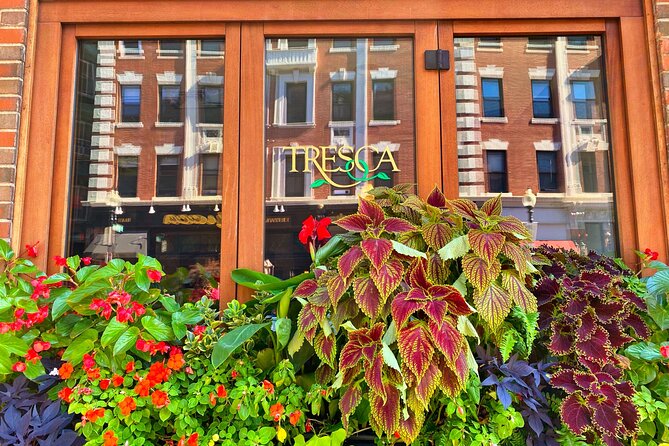
Next you move through North Square and toward the Paul Revere statue. These spots are famous, but they’re also easy to misunderstand if you only read plaque-style facts. The guide’s focus is on the “why this location matters” layer—how these landmark points work as anchors along the Freedom Trail route.
This is also where small-group value shows. On a solo walk, you might pause for a photo and then move on. Here, you get short explanations that help you decide what to photograph: a statue from a certain angle, the surrounding buildings as a frame, or the sightline toward the next stop.
The North End’s density is part of the charm. It’s also part of the challenge: you’ll be photographing in a living neighborhood, so patience helps. The guide’s photo coaching is aimed at that reality, not at perfect empty streets.
Old North Church: what happened on April 18, 1775
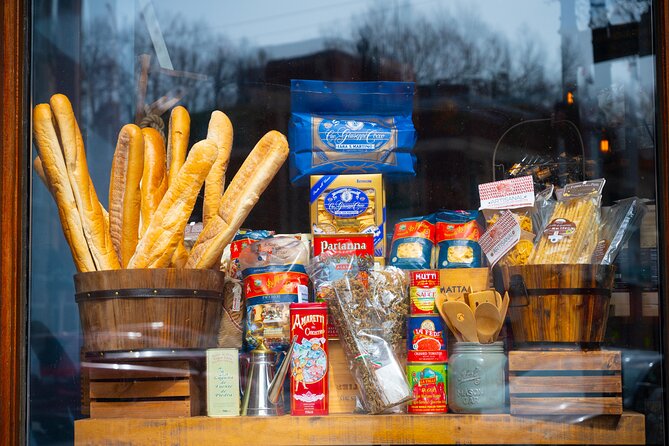
Old North Church is the emotional center of this whole walk. Your stop here focuses on what really happened on April 18, 1775—the night before the American Revolution began.
It’s billed as Boston’s oldest church, and your guide explains the event context so it doesn’t feel like a random history worksheet. You’ll learn how the story attached to the church became one of the most remembered moments of the early Revolution. The lesson sticks better when you understand the timing: this wasn’t Revolutionary momentum coming out of nowhere. It was a night with purpose.
Photo tip: with churches, it’s tempting to shoot straight-on from far away. But in a tight neighborhood like this, the better results often come from slightly off to the side—enough to show architectural lines and avoid a flat, “just another storefront” feel.
Salem Street and quick side-lane surprises
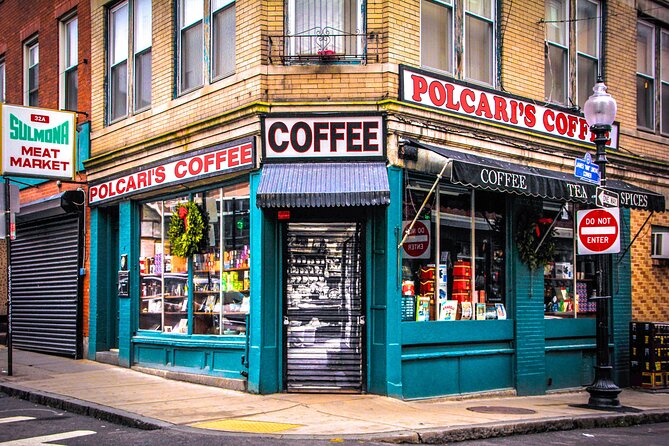
Salem Street is where you feel the North End shift from grand landmarks into smaller, more intimate street scenes. This is also where your guide’s “street-smart” side shows: you’ll be pointed toward details you wouldn’t naturally notice while rushing.
Even when stops are short, you’re getting story-and-scene coverage. That’s part of what makes a photo walking tour different from a classic history walk. You don’t just hear facts; you learn how to translate what you’re seeing into a photograph that looks like it belongs to a place, not just to your camera roll.
Boston was built for walking. More routes
- Boston: Freedom Trail History Small Group Walking Tour★ 5.0 · 6,450 reviews
- Harvard University Campus Guided Walking Tour★ 4.5 · 3,632 reviews
- Boston Freedom Trail Walking Tour with Costumed Guide★ 4.5 · 2,531 reviews
- The Full Revolutionary Story Epic Small Group Boston Walking Tour★ 5.0 · 2,356 reviews
- Boston’s Freedom Trail: A Revolutionary Walking Tour★ 4.9 · 1,748 reviews
All Saints Way: a tiny stop that changes the feel of the walk
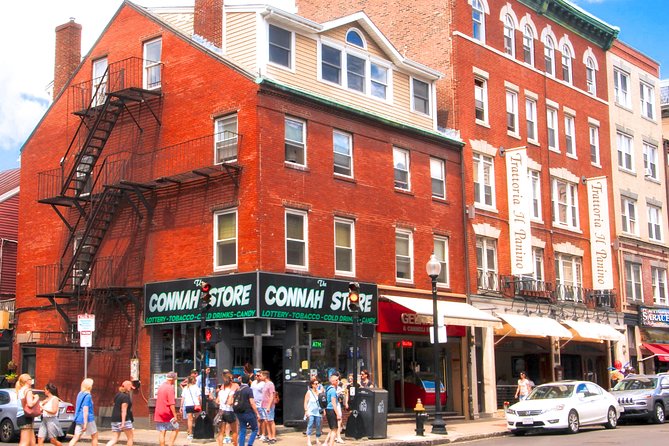
All Saints Way is listed as one of the included stops, and it functions like a breather between bigger landmark points. In practical terms, it’s a change of scenery. In photo terms, it gives you something tighter and more textured than the open square moments.
This short pause matters if you’re photographing on a phone. Tight lanes let you practice composition without needing a huge view. And because your guide is actively steering you, you can learn patterns like framing with surrounding walls or capturing leading lines that pull the eye toward a focal point.
Paul Revere Mall: pedestrian promenade + strong photo lines
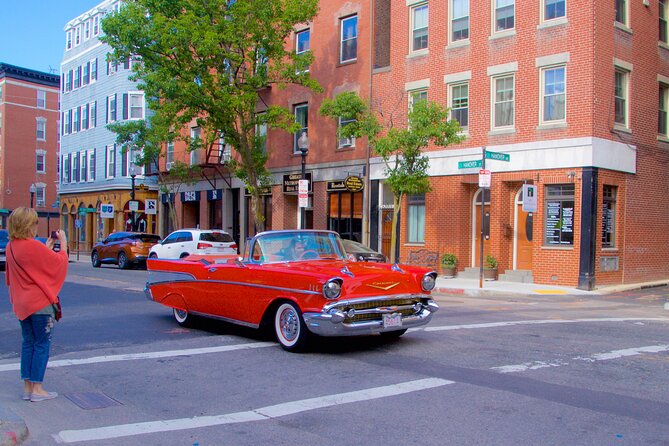
Paul Revere Mall is described as a tree-lined pedestrian promenade anchored by the iconic Paul Revere statue and Old North Church. That’s a photographer’s setup. Promenades create natural leading lines, and trees add a layered look even in less-than-perfect light.
You’ll likely spend only a few minutes here, but that’s intentional. This isn’t about lingering at one spot. It’s about timing your shot so you get the promenade effect—straight lines and depth—before the crowd shifts.
If you’re traveling with family or want something that works for both history lovers and people who just want great photos, this kind of stop is a sweet spot: it’s visually strong, and it still ties back to the narrative of the walk.
Skinny House and the fascination of a narrow home
Skinny House is exactly what it sounds like: a narrow home in Boston’s North End that’s now a curiosity. It’s marked as not included, which is a heads-up that the tour itself may only provide a look from the outside rather than an interior visit.
Still, from a photo perspective, it’s a fun challenge. A narrow building forces you to think about perspective. How do you fit the whole façade in without distorting it weirdly? How do you keep the image from turning into one stretched blur?
The guide’s phone-photo coaching is especially helpful here, because the trick is often simple: change your angle, move your feet, and keep your phone steady long enough to let the camera do its job.
The Freedom Trail cemetery stop and how to notice what matters
The walk includes a stop at a historic cemetery in Boston’s North End that’s also a Freedom Trail landmark. Even if you’re not a “cemetery person,” this is worth your attention because it adds emotional weight to the Revolution story you’re hearing.
Cemeteries also teach you a different kind of photography. You may find more value in quiet detail shots—names, stone textures, and the way the space is arranged—rather than trying to force a dramatic wide view.
Respectful reminder: move slowly, be mindful of other visitors, and keep your phone at a comfortable height while you’re standing. This area is historic, but it’s also still a shared public place.
How the guide uses your phone for better pictures
A lot of photo tours fail at one thing: they assume you already know how to use a phone camera well. This one takes the opposite approach. In reviews, the guide (Saba Alhadi) is repeatedly described as patient and very good with phone-based photography, including helping people take fantastic pictures during the walk.
What I’d expect you to gain from this tour:
- Better framing habits for narrow streets and tight corners.
- Steady shooting tactics so you’re less dependent on perfect lighting.
- Angle suggestions tied to the history of each stop, so your photos feel intentional.
- Confidence for capturing both landmark shots and street-scene moments.
Also, Saba’s communication style comes through clearly in feedback. People mention she’s knowledgeable and takes time, and that she uses her phone for additional information during the walk. That can be useful when you want the story to be specific instead of vague.
One more practical note from review feedback: in busy times, lots of people surround you. If there’s no microphone, stand close so you can hear the details you paid for.
Timing, pace, and what to expect on a 1 hour 30 minute walk
The tour runs about 1 hour 30 minutes. Most of the time is concentrated in the main North End/ Freedom Trail section, with short stops at places like All Saints Way, Paul Revere Mall, and Skinny House.
This pacing has two benefits:
- You cover many key sights without feeling trapped at any single one.
- You get repeated chances to use the photo tips rather than one long photo lesson and then rushing through everything else.
It does mean you’re walking at a steady pace. The tour listing calls for moderate physical fitness, so it’s not a sit-and-stroll museum day. Wear comfortable shoes, and plan for uneven sidewalk textures and tight turns.
Weather matters too. The experience requires good weather, so have a backup plan if conditions are poor.
Price and value: what $45 buys you in the real North End
At $45 per person for about 90 minutes, this tour isn’t the cheapest way to see the North End. But it’s not priced like a full-day excursion either. The value comes from two places.
First, you’re paying for guided context at the Freedom Trail landmarks. A lot of people can point at Old North Church and Paul Revere’s House. Fewer can explain what happened on April 18, 1775 in a way that makes those places click.
Second, you’re paying for active photography help. If you’re the type of person who ends up with blurry street shots, this is where the money can quietly pay off. Your phone is already in your hand; the tour helps you use it better.
Small group also matters here. With a maximum of 15 travelers, you’re less likely to get lost in the back row, which makes a big difference when you’re trying to hear photo instructions and reposition quickly.
Who this tour fits best
This experience is a good match if you want:
- North End history without getting stuck in one-note plaques.
- Photo coaching that works for people who are new to street photography.
- A route that covers multiple major points in a short time.
It also works well for couples and families. Reviews include couples and families praising how the guide kept a friendly pace and made the walk enjoyable for different interests. The tour has a rule that children must be accompanied by an adult, so plan on staying together.
If you’re someone who loves photography but also wants real narrative behind famous stops, this is a particularly efficient combo.
Should you book the North End History + Photo Walking Tour?
I’d book this tour if you want two outcomes: clearer meaning behind the Freedom Trail stops, and photos that look like you planned them. The guide’s style—patient, hands-on with phone photography, and focused on both iconic landmarks and side streets—gets consistently strong marks.
You might skip it if you’re the kind of traveler who prefers an unstructured walk where you control every stop and don’t want to be on a timed route. It’s also not ideal if you strongly need restroom access during the walk, since there are no restroom stops.
If you do book, show up on time and be ready to stand close during key explanations. In a dense neighborhood full of people, those small choices help you get the most value out of every minute.
FAQ
Is this a small-group tour?
Yes. The tour has a maximum of 15 travelers, which helps keep the guide’s attention on the group and makes it easier to hear instructions.
What sites do we pass on this walk?
You’ll see major North End and Freedom Trail points such as Hanover Street, Paul Revere’s House, North Square, the Paul Revere statue, Old North Church, and Salem Street. You also stop at All Saints Way, Paul Revere Mall, and Skinny House, plus a Freedom Trail cemetery stop.
How long is the tour?
It runs about 1 hour 30 minutes (approx.).
Is the tour wheelchair-friendly or easy walking?
The listing notes that travelers should have a moderate physical fitness level. This is a walking route with multiple stops, and there are no restroom stops, so plan accordingly.
Are there restroom stops during the tour?
No. The tour has no restroom stops.
Do I need to reconnect before the tour?
Yes. You’re asked to reconfirm your reservation at least 48 hours before the tour date by email ([email protected]) or text (617-851-2273).
On Foot Through Old Boston


More of the Boston Ledger

Eating Through the North End



New on the Boston Docket
- Boston to Newport Mansions Private Day Trip
★ 5.0 · 3 reviews - Boston Massachusetts Private Photography Tour
★ 5.0 · 3 reviews - Homemade Dumplings 101 in Boston
★ 3.5 · 3 reviews - Self-Guided Audio Tour of Boston North End
★ 4.5 · 3 reviews - Old Boston: Beacon Hill & Back Bay Walking Tour in French
★ 4.7 · 3 reviews
North End & Little Italy Food Walks, compared.
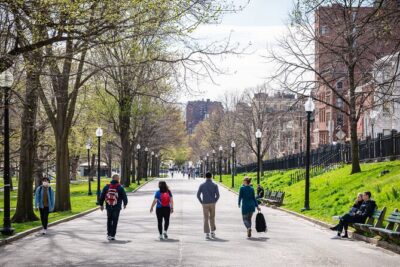 ★ 5.0Boston Food & History: Pizza, North End & Freedom TrailFrom $901,772 reviews
 ★ 5.0Boston North End Food Tour of 6+ Tastings, Cannoli, Lobster RollFrom $1191,404 reviews
 ★ 5.0Boston’s North End Food Tour: Italian Flavors & Heritage WalkFrom $701,322 reviews
 ★ 5.0Boston’s North End Food and History Walking Tour459 reviews
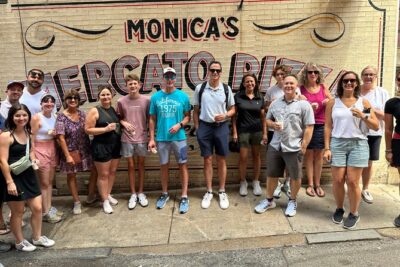 ★ 5.0Boston’s Politically Incorrect North End Food TourFrom $98453 reviews
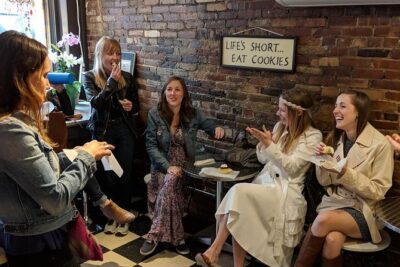 ★ 5.0Cocktails & Cannoli: Boston’s North End Dessert Tour309 reviews
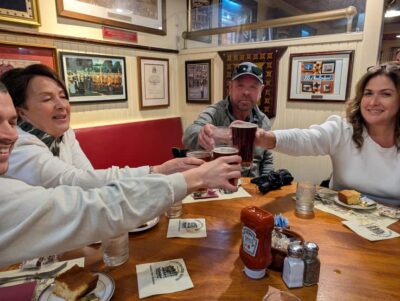 ★ 4.8North End & Little Italy Food Tour with Local DishesFrom $60229 reviews
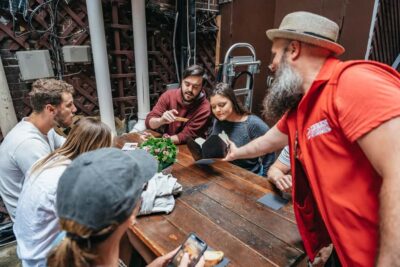 ★ 4.8North End to Freedom Trail: Boston’s Food & HistoryFrom $99185 reviews
Browse the lists this tour appears in