
REVIEW · TAVERNS, PUB CRAWLS & BREWERY TOURS
Sushi Making Class at a Local Brewery in Boston
Roll sushi next to the beer taps.
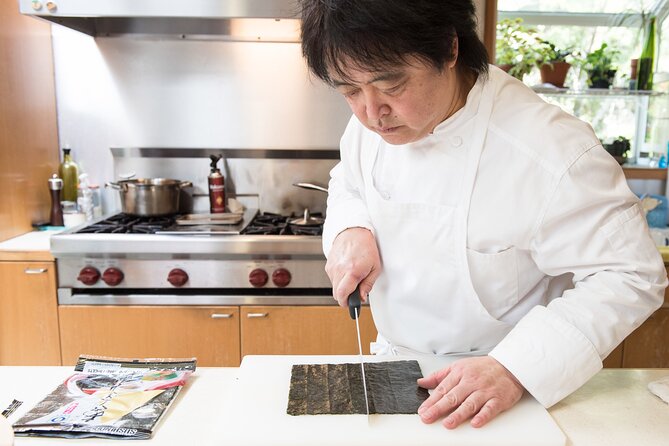
This Boston sushi-making class brings Chef Harold (over 20 years of experience) into a laid-back brewery setting, where you start with a warming bowl of miso soup and get hands-on fast. It’s a fun way to learn skills you can actually use again, without feeling like you’re studying for a test.
I especially like that you’ll make more than one style. You’ll roll temaki hand rolls and also tackle uramaki inside-out rolls, so you get variety in your plate and your technique.
One thing to think about: the chef doesn’t use a microphone. If you end up farther back, you may miss bits of instruction, so aim to sit where you can see and hear the station clearly.
In This Review
- Key Highlights You’ll Care About
- Entering The Long Live Roxbury Sushi Scene
- The First Course: Miso Soup That Sets the Tone
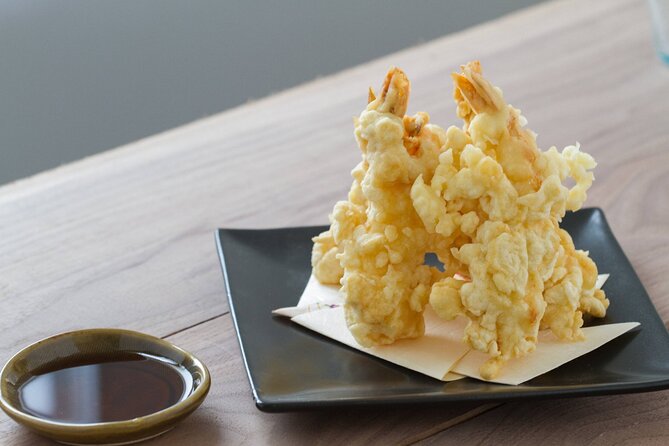
- Temaki Hand Rolls: Shrimp Tempura + Sweet Potato
- Uramaki Inside-Out Rolls: Spicy Tuna and the Learning Curve
- Beer on Tap: How the Brewery Vibe Fits the Lesson
- What You Actually Get for $75 (And Why It’s Fair)
- How to Set Yourself Up to Roll Better
- Who This Boston Class Is Best For
- Should You Book It?
- FAQ
- Where does the sushi-making class meet?
- How long is the class?
- How much does it cost?
- What’s included in the class price?
- Are drinks included?
- What sushi will I make?
- Is the class offered in English?
- What’s the cancellation window?
Key Highlights You’ll Care About
- Real instruction from Chef Harold with 20+ years of experience, plus chef tips you can use later.
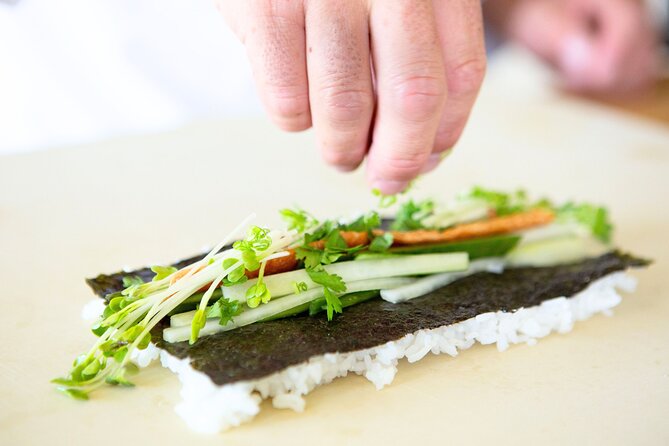
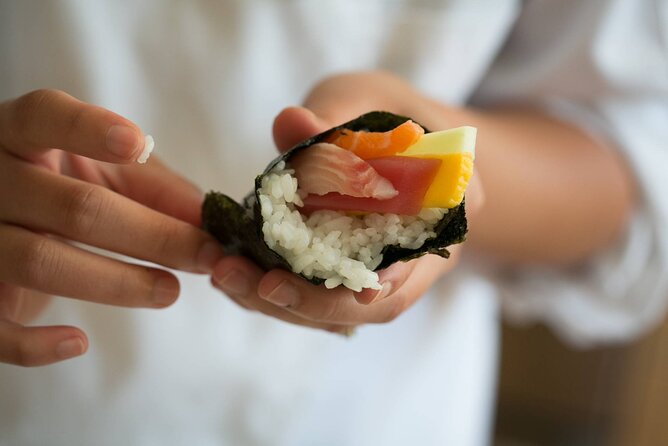
- Two sushi styles in one class: temaki hand rolls and uramaki inside-out rolls.
- You eat a full meal you cook yourself, not just a snack or a demo.
- Brewery setting in Boston with craft beer available for purchase while you work.
- Diet-friendly builds: the rolls use ingredients that are gluten-free, nut-free, and dairy-free (with tailoring possible if you ask).
- Small group vibe with a maximum of 25 travelers, which usually makes it easier to get help.
Entering The Long Live Roxbury Sushi Scene
This class starts at Long Live Roxbury, 152 Hampden St in Boston, right in the Roxbury neighborhood. The location matters more than you’d think. A lot of cooking classes happen in blank studio kitchens. Here, the brewery atmosphere is part of the experience: you’re working around a place people already go for good beer and casual hangouts.
You should also know the group size. With a maximum of 25, you’re not fighting for a spot at a counter. That small ceiling helps the class feel interactive, especially when your hands are sticky and your roll is trying to escape.
The class is in English, lasts about 2 hours, and it begins at 12:00 pm. That noon-ish start is nice if you want something fun that doesn’t wreck your whole afternoon. It also lines up well with a lunch-to-dinner rhythm: you’ll be making the meal, then eating it.
The First Course: Miso Soup That Sets the Tone
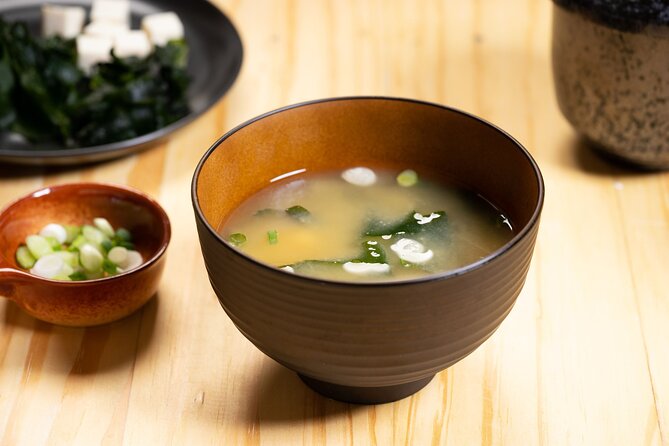
The class kicks off with a starter that’s both comforting and practical: miso soup made with miso paste, dashi, and wakame seaweed. This isn’t just a warm-up bite. It sets expectations for the flavor balance you’ll see again in the sushi rolls—savory, clean, and not overly sweet.
From a learning standpoint, starting with soup helps you settle in. You get a moment to watch how the chef explains things, then you’re ready when it’s time for hands-on work. If you’re new to sushi, this is smart. You’re not thrown straight into rolling rice and seaweed with cold hands and a blank stare.
The class also provides the tools and ingredients, so you don’t need to show up with supplies or worry about whether you brought the “right” thing. The whole point is that you can focus on technique and flavor.
Another round: taverns the Revolution drank in
Temaki Hand Rolls: Shrimp Tempura + Sweet Potato
After the soup, you move into temaki, the hand-roll style. These are the rolls that look like they belong in your hand, not on a formal plate. The format is also forgiving for beginners. You shape the roll as you go, and you learn how the rice and seaweed behave without needing the precision of tight restaurant cuts.
The sample lineup gives you two temaki options:
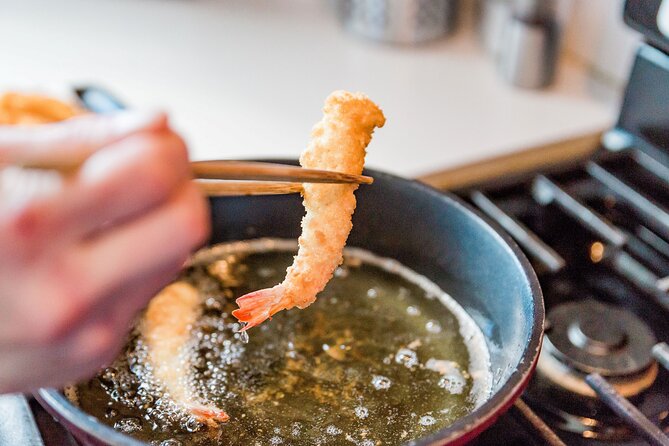
- Shrimp tempura hand roll with shrimp, nori, and sushi rice
- Sweet potato hand roll with sweet potato, nori, and sushi rice
What I like about this combo is that it teaches contrast. Shrimp tempura brings a savory, crunchy angle (even if you personally don’t deep-fry anything here), while sweet potato gives you a smoother, sweeter profile. You’ll quickly see how different fillings change the overall feel of the roll.
Also, there’s a practical dietary win: the rolls are built using ingredients described as gluten-free, nut-free, and dairy-free. That means you can show up confident that your meal won’t be built around typical wheat or dairy. If you have other restrictions beyond those, you should tell the organizer in advance so they can tailor the experience as best they can.
Uramaki Inside-Out Rolls: Spicy Tuna and the Learning Curve
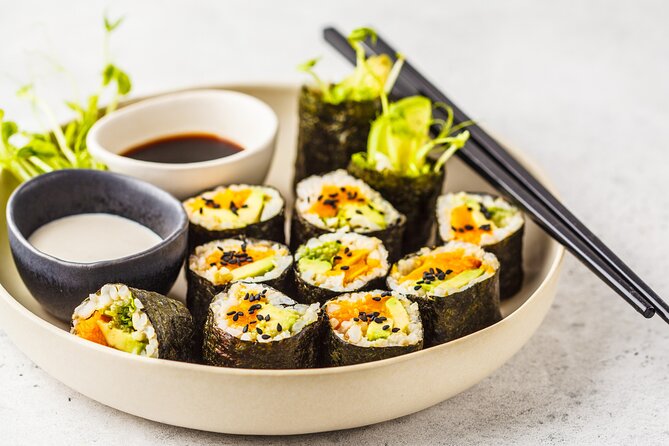
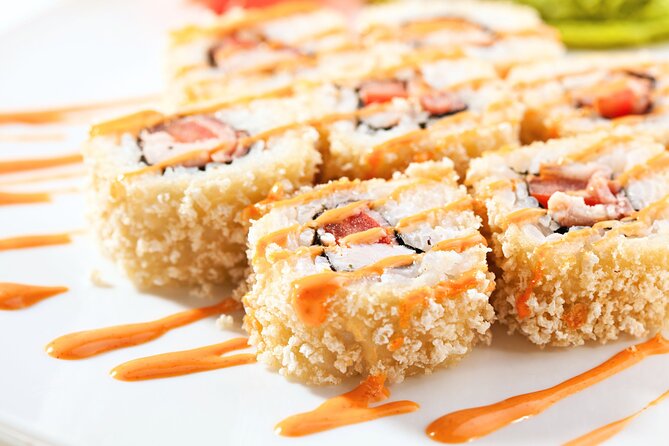
Next comes uramaki, the inside-out style. This is where sushi classes often separate beginners from people who have practiced a few times. With inside-out rolls, you’re working with rice on the outside, seaweed inside, and filling in the middle—so the “shape” matters as much as the ingredients.
Your sample main includes:
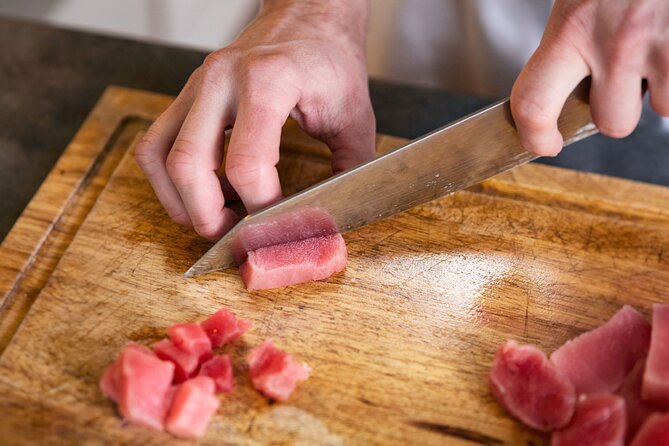
- Spicy tuna roll with tuna, sushi rice, and nori
You don’t need to be a math wizard to roll this well, but you do need calm hands and a steady pace. Rice is sticky, and the outside rice texture is part of what makes an uramaki roll look right. The chef’s role here is key: you’re learning the steps and the small tricks, not guessing.
One practical takeaway: when you’re rolling with rice on the outside, texture can go from good to messy fast. This is where seating helps. Since the chef doesn’t use a microphone, you’ll benefit from being able to see what they’re doing at your station—especially during the most hands-on parts.
Even if your roll doesn’t look perfect, the class is still valuable because you’re building technique. You’ll understand what works, what feels too loose, and how to fix it next time.
Beer on Tap: How the Brewery Vibe Fits the Lesson
You’ll be in a brewery setting, which makes the whole experience feel more social than academic. Craft beer is available for purchase at the bar, with prices listed from $3 to $20. Drinks aren’t included in the class price.
Here’s the real value of that setup: you can choose the vibe that matches your group. If you want to focus on learning, go easy. If you want a fun date or friend outing, have a beer and treat it like a casual food night out.
And because drinks are separate, the $75 price mostly covers what you’re there for: the hands-on class, ingredients, tools, and the full meal you cook. That’s a good deal compared to paying restaurant prices just for food, because you’re paying for instruction and time with a chef.
Also, the class is described as a community-focused, laid-back brewery experience. That matters for comfort. Cooking can be intimidating when everyone acts serious. Here, the tone is more relaxed, so you’re less likely to feel pressured.
What You Actually Get for $75 (And Why It’s Fair)
At $75 per person for about 2 hours, this class is priced like a “real activity,” not just a tasting. The best part is that your money goes to tangible things:
- A hands-on cooking class led by a local chef
- All ingredients and cooking tools provided
- A full meal you cooked yourself
- Expert instruction and chef tips
When you’re comparing value, ask yourself one question: would I pay for the food anyway? If you would, then the class price is effectively charging you for the learning experience, the materials, and the chef time. That’s often where cooking classes win—especially when the menu is small and the skill focus is clear.
The drinks are extra, but that’s normal for brewery-based activities. In this case, it also means you can keep your total spending under control if you’re watching budget.
The Boston tavern circuit continues
- Boston: Haunted Pub Crawl of Historic Pubs and Taverns★ 4.6 · 127 reviews
- Boston Ghosts Boos and Brews Haunted Pub Crawl★ 4.5 · 95 reviews
- Boston: Boos and Brews Haunted Pub Crawl★ 4.2 · 73 reviews
- Boston Haunted Pub Crawl★ 4.0 · 62 reviews
- Boston: Historic Pubs Walking & Ferry, Food & Drink Tour★ 4.9 · 56 reviews
How to Set Yourself Up to Roll Better
This is the kind of class where small choices help a lot. Since the chef doesn’t use a microphone, do these things:
- Get close enough to see what the chef is doing at the work station.
- Move your attention between rice, filling, and seaweed, in that order. Most mistakes happen when one of those gets ignored.
- If your first roll looks messy, don’t panic. Sushi is partly skill and partly repetition.
Also, because the class includes both hand rolls and inside-out rolls, expect two different learning curves. Temaki typically feels more natural at first. Uramaki may take a beat longer. That’s not you failing—that’s the format doing what it’s designed to do.
If you’re coming with dietary needs, give the organizer a heads-up before you go. The class is designed to accommodate a variety of dietary needs, and they’ll try to tailor the experience to your preferences and restrictions.
Who This Boston Class Is Best For
This works well for:
- Date nights where you want something interactive instead of just eating.
- Friend groups who like shared projects and a meal at the end.
- Beginner sushi fans who want a clear path to making sushi without buying a bunch of tools.
- People who want a Boston activity that feels local rather than like a tourist show.
It may feel less ideal for:
- Anyone who hates instruction-heavy experiences. This is hands-on cooking, not passive watching.
- People who need lots of variety beyond a short menu. The class uses a set starter and roll options, so the learning is the main event, not an endless tasting parade.
Should You Book It?
If you want a fun, hands-on sushi-making class in Boston that includes a starter, multiple roll styles, and the full meal you cook, I’d say it’s a solid pick. The pairing of sushi instruction with a brewery vibe makes it feel relaxed and social, and Chef Harold’s experience is a big plus.
I’d book it if you’ll be able to sit where you can hear and see clearly—because the lack of a microphone is the main practical drawback. And I’d only skip it if you’re hoping for a long, menu-heavy tasting. This is about learning the mechanics of rolling—and then eating your results.
FAQ
Where does the sushi-making class meet?
The class starts at Long Live Roxbury, 152 Hampden St, Boston, MA 02119.
How long is the class?
It runs for about 2 hours.
How much does it cost?
The price is $75.00 per person.
What’s included in the class price?
You get a hands-on cooking class, all ingredients and cooking tools, expert instruction, and a full meal you cook yourself.
Are drinks included?
No. Drinks are available for purchase at the bar, with prices listed from $3 to $20.
What sushi will I make?
You’ll make temaki hand rolls and uramaki inside-out rolls, including options like shrimp tempura hand roll, sweet potato hand roll, and spicy tuna roll.
Is the class offered in English?
Yes, it’s offered in English.
What’s the cancellation window?
You can get a full refund if you cancel at least 24 hours before the experience’s start time. Free cancellation is offered, with cut-off based on local time.
The Long Boston Bar Tab




More of the Boston Ledger




Taverns With History on Tap

New on the Boston Docket
- Boston to Newport Mansions Private Day Trip
★ 5.0 · 3 reviews - Boston Massachusetts Private Photography Tour
★ 5.0 · 3 reviews - Homemade Dumplings 101 in Boston
★ 3.5 · 3 reviews - Self-Guided Audio Tour of Boston North End
★ 4.5 · 3 reviews - Old Boston: Beacon Hill & Back Bay Walking Tour in French
★ 4.7 · 3 reviews
Taverns, Pub Crawls & Brewery Tours, compared.
 ★ 5.0Boston Freedom Trail History Pub Crawl Small-Group TourFrom $60996 reviews
 ★ 4.5Salem Booze and Brews Haunted Pub Crawl by US Ghost AdventuresFrom $36413 reviews
 ★ 4.1Salem: Boos and Brews Haunted Pub CrawlFrom $30411 reviews
 ★ 4.9History Pub Crawl Tour Along the Freedom TrailFrom $48279 reviews
 ★ 5.0Signature Boston Guided Brewery Tour with snackFrom $119271 reviews
 ★ 5.0Boston’s Revolutionary and Drunken Past with Ye Olde Tavern ToursFrom $91195 reviews
 ★ 5.0Boston Historic Taverns Tour with Tastings and FerryFrom $129156 reviews
 ★ 4.5Haunted Boston Booze and Boos Ghost Walking TourFrom $36155 reviews
Browse the lists this tour appears in