

REVIEW · BOSTON MUSEUMS & ATTRACTION TICKETS
Boston: WNDR Museum Entry Ticket
Art that reacts to you is rare. At the WNDR Museum Boston, you step into interactive art-tech spaces where your presence changes what you see and hear.
I love how the installations respond to your movement and touch, so you’re not just watching—you’re shaping the experience. I also like the augmented reality and collaborative art elements, which add a modern layer to the usual museum routine. One possible drawback: there’s no guide included, and with only a one-hour visit, you may need to rely on your own curiosity and the on-site info to get the full context.
In This Review
- Key Things to Know Before You Go
- WNDR Museum Boston in One Hour: What You’re Actually Doing
- Price and Value: Is $33 for Interactive Art a Good Deal?
- Entering the Museum: Your First Minutes Set the Tone
- The Interactive Installations: Where You Become Part of the Art
- Light Displays and Soundscapes: The Sensory Track
- Augmented Reality Moments: A Modern Layer Without the Confusion
- Collaborative Art Pieces: Your Participation Actually Changes Something
- Leaving Your Mark: The Reflection Space at the End
- How to Plan It with the Rest of Your Boston Day
- Who This Fits (and Who Might Not Love It)
- Should You Book the WNDR Museum Boston Ticket?
- FAQ
- How much is the WNDR Museum Boston entry ticket?
- How long is the experience?
- What is included with the ticket?
- Is a guide included?
- What languages are available?
- Is it wheelchair accessible?
- Can I skip the ticket line?
- Is free cancellation available?
Key Things to Know Before You Go

- Move-and-react installations that respond to your movement, touch, and presence
- Colorful light displays and soundscapes that change the feel of each room
- Augmented reality experiences that add a tech layer on top of the physical space
- Collaborative art pieces that evolve with visitor participation
- A reflection space designed for calmer thinking, plus a spot to leave your mark
WNDR Museum Boston in One Hour: What You’re Actually Doing
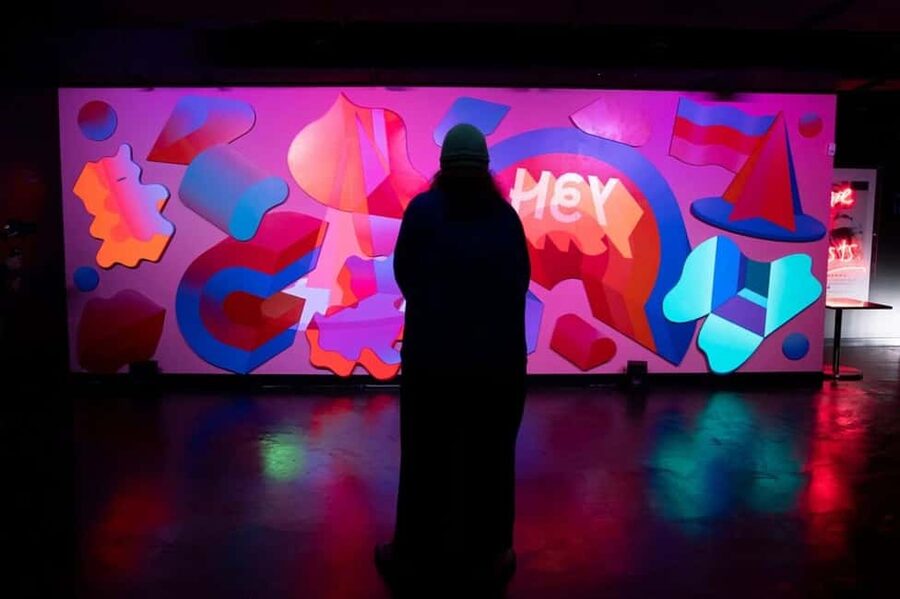
The WNDR Museum isn’t trying to be a quiet, sit-and-stare museum. In practice, it’s more like a guided-by-design playground for your senses—without the chaos. You move through installations that react to you, so your route and pace matter.
The whole visit is built to fit in 1 hour, which is both a plus and a limit. It’s a great length for a quick add-on to a Boston day. It’s also short enough that you’ll probably want to slow down for the parts you like most, instead of racing through everything just to check boxes.
Timing-wise, the museum runs morning, afternoon, and evening showings (so you can usually match it to your schedule). For a visit like this, I’d pick a time when you’re not rushing to the next reservation. These are the kind of experiences where your attention is the real “ticket upgrade.”
Price and Value: Is $33 for Interactive Art a Good Deal?
At $33 per person for entry, this sits in the category of “paid experience,” not “low-cost museum stroll.” The value depends on what you enjoy.
If you like modern art, tech, sound, and hands-on activities, $33 can feel reasonable because you’re getting access to multiple interactive zones rather than one exhibit. You’re also skipping the typical ticket line, which saves time when you’re in a busy city.
If you prefer classic art museums—paintings on walls, docent explanations, and slow reading—this may feel pricey because there’s no guide included with the ticket. You’ll still have staff as a host/greeter in English, but the deeper interpretation may be up to you.
My rule of thumb: pay for this if you want participation and sensory play. Skip it if you want a lecture and a traditional museum pace.
Rainy day in Boston? These doors are open
Entering the Museum: Your First Minutes Set the Tone
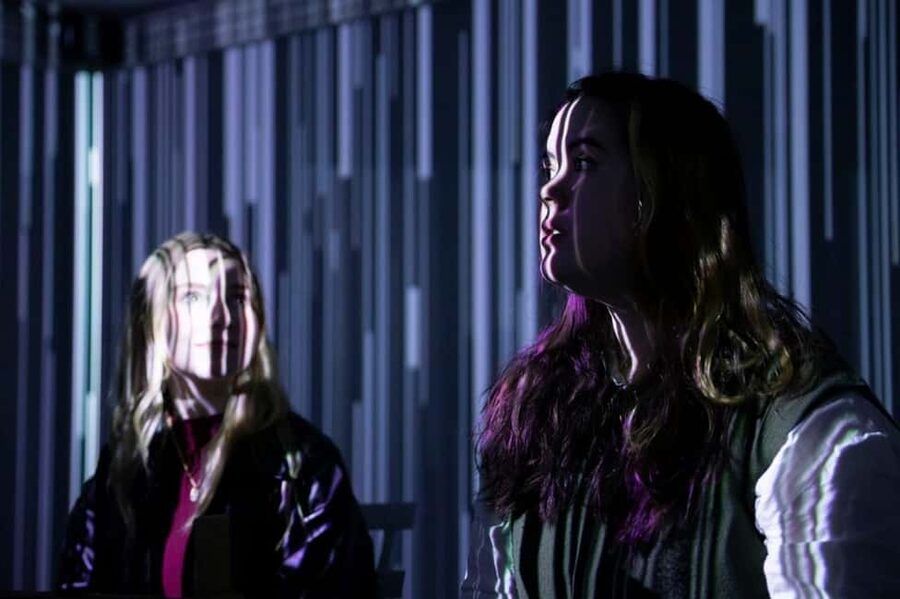
Once you’re in, think of the first stretch as your warm-up. The museum is designed so you quickly realize the key idea: you’re part of the system. That means you’ll notice that your position, movement, and even touch can change what’s happening around you.
Because the ticket is just entry, you’ll want to get your bearings fast. Look for the flow from room to room, and don’t be shy about trying an interaction the moment you see it. These spaces work best when you’re willing to test what happens.
A host/greeter is available in English, which is helpful if you have questions at the start. It also means you shouldn’t feel totally stranded even though a full guide isn’t part of the package.
The Interactive Installations: Where You Become Part of the Art
This is the main event. The museum’s interactive installations are built around the idea that art can respond to you in real time. According to the experience description, the installations respond to your movements, touch, and presence.
What that means for you, practically:
- You’ll likely get more out of it if you’re comfortable moving around rather than standing still.
- You can treat it like a series of little experiments. Try something once, then adjust your timing or distance and see if the effect changes.
- It’s not a “one and done” style experience. Many of these setups reward repeat observation because you can learn the cause-and-effect pattern.
I like experiences like this because they break the usual museum contract. Instead of asking, What does the artist mean?, you end up asking, What does this system do when I act?
Possible drawback: if you’re expecting quiet contemplation only, the interactive setup may feel too active. It’s not loud on purpose, but it is hands-on by design.
Light Displays and Soundscapes: The Sensory Track
After you get the hang of the interactive rules, you’ll run into the museum’s light-and-sound side. The highlights specifically call out light displays and soundscapes, and you can feel how those elements shape your movement through the space.
Here’s the practical value: light and sound are doing the work that labels usually do. Even if you don’t read every description, the show guides your attention. You’ll often find yourself slowing down just to see how the scene shifts as you walk, pause, or turn.
This is also where I’d be honest with you if you’re sensitive to strong audio or bright light. The museum includes soundscapes and expressive lighting by nature of the format. If that’s a concern, plan for it—take breaks when you need them and don’t force yourself to stay in one spot too long.
Augmented Reality Moments: A Modern Layer Without the Confusion
The experience highlights include augmented reality. That’s the key phrase here: it’s meant to add a layer rather than replace the physical art.
In a place like this, AR can do two useful things for you:
- It can help you notice details your eyes might miss in plain rooms.
- It can create a second version of the space—something you only see when the tech overlay kicks in.
The museum is also described as “dynamic,” with installations changing through the year. That matters because AR experiences can evolve when new elements are added. If you like being surprised, that’s a real selling point.
No guide is included, so if AR is part of your interest, pay attention to any on-site instructions and try to follow the steps the first time through. AR tends to be easy once you understand the input, but frustrating if you skip the brief orientation.
More Boston entry lines worth joining
- Boston: Hop-On, Hop-Off 20+ Stops Trolley Ticket★ 4.2 · 607 reviews
- View Boston Observation Deck Admission Tickets★ 4.5 · 314 reviews
- Museum of Fine Arts Boston General Admission Ticket★ 4.5 · 106 reviews
- Boston: Museum of Ice Cream Entry Ticket★ 4.2 · 45 reviews
- Salem Witch Tour from Boston by Train with Museum Tickets★ 4.0 · 42 reviews
Collaborative Art Pieces: Your Participation Actually Changes Something
One of the most interesting points in the overview is collaborative art pieces that evolve with visitor participation. That’s a different vibe from many interactive museums, where each visitor interacts in isolation.
The collaborative angle means you’re not just triggering your own personal reaction. You’re contributing to something shared—an artwork that responds to the group’s presence over time. Even if you only stay for an hour, you can still feel like your actions are part of the overall outcome.
Why this is valuable for you: it turns the visit into a social-feeling experience without needing conversation. You might come solo and still feel a sense of participation.
And it can also affect your emotional pacing. You may find yourself lingering a little longer where participation is happening, because the piece feels alive rather than fixed.
Leaving Your Mark: The Reflection Space at the End
Every good interactive museum needs a landing zone. WNDR includes a space designed for reflection and creativity, plus an area where you can leave your mark.
That’s not just a nice ending line. It changes how you leave. Instead of exiting straight back into the street noise, you get a calmer moment to process what you saw. The “leave your mark” part also helps the visit feel personal, which is important because you’re paying for an experience, not a souvenir.
In my opinion, this is the moment that makes the one-hour visit feel complete. Without it, interactive art can feel like you blinked and the lights turned off. With a reflection space, you walk out with at least a small sense of closure.
How to Plan It with the Rest of Your Boston Day
Because the ticket is just entry, you should plan around the hour rather than around a strict stop-by-stop tour. The museum’s design encourages you to wander intentionally: do a first pass, then revisit the spots you liked most while you still have time.
A practical way to think about it:
- If you’re there for interactive installations, give those your attention early.
- If light-and-sound is your thing, shift your pace so you’re not sprinting past the show sections.
- If AR and collaborative pieces matter, slow down when you hit those zones so you don’t miss how participation works.
This is also a great option when Boston weather is doing its thing. It’s indoors, and it doesn’t depend on long outdoor walks.
If you’re visiting in a group, just set expectations. Some people love the tech play. Others need a bit more time to warm up. The 1-hour window is short enough that you’ll still have energy left for the rest of your day.
Who This Fits (and Who Might Not Love It)
This is a strong match if you:
- like hands-on art and don’t need a lecture to enjoy a museum
- are curious about art and technology working together
- want something modern that uses light and sound as part of the art, not just atmosphere
- enjoy AR and collaborative elements, where your presence is part of the outcome
It may be a weaker match if you:
- want a traditional guided museum with a lot of historical context (since no guide is included)
- prefer quiet, passive viewing only
- get uncomfortable with bright light and soundscapes
On value, I’ll be direct: $33 for one hour is fair if you actively engage. If you mostly stand back and watch, you might wish you’d spent less. The ticket works best when you treat it like an experience, not a photo-op checklist.
Should You Book the WNDR Museum Boston Ticket?
Book it if you want a fun, modern, hands-on hour in Boston where you affect the art around you. The big selling points are clear: interactive installations, light-and-sound design, augmented reality elements, collaborative art that reacts to participation, and a reflection space where you can leave your mark.
Don’t book it if you’re expecting a guided cultural history tour. This is more about participation than explanation.
One more note: the price is mid-range, and the experience is short by design. If you’re in town for a busy schedule, that can be perfect. If you’re hoping for a long museum day, look for something with more time built in.
If you’re on the fence, consider that you can typically plan with flexibility (free cancellation up to 24 hours in advance and a reserve-and-pay-later option are part of the offering). That makes it easier to take a chance on a style of museum that rewards curiosity.
FAQ
How much is the WNDR Museum Boston entry ticket?
The price is $33 per person.
How long is the experience?
The experience duration is 1 hour.
What is included with the ticket?
Your ticket includes entry to the WNDR Museum.
Is a guide included?
No guide is included with the entry ticket.
What languages are available?
The host or greeter is English, and the experience is listed as having English language support.
Is it wheelchair accessible?
Yes, the experience is wheelchair accessible.
Can I skip the ticket line?
Yes, the experience includes skipping the ticket line.
Is free cancellation available?
Yes. You can cancel up to 24 hours in advance for a full refund. There’s also a reserve now & pay later option.
If you’d like, tell me what time of day you’re planning to visit and what you usually like in museums (hands-on, tech, art history, photography). I’ll help you decide whether this one-hour ticket fits your Boston day.
Stubs and Entries Around Boston




More of the Boston Ledger




Boston Behind the Turnstiles

New on the Boston Docket
- Boston to Newport Mansions Private Day Trip
★ 5.0 · 3 reviews - Boston Massachusetts Private Photography Tour
★ 5.0 · 3 reviews - Homemade Dumplings 101 in Boston
★ 3.5 · 3 reviews - Self-Guided Audio Tour of Boston North End
★ 4.5 · 3 reviews - Old Boston: Beacon Hill & Back Bay Walking Tour in French
★ 4.7 · 3 reviews
Boston Museums & Attraction Tickets, compared.
 ★ 4.5Boston Tea Party Ships and Museum AdmissionFrom $352,512 reviews
 ★ 4.8Boston Tea Party Ships and Museum Interactive TourFrom $351,926 reviews
 ★ 4.7View Boston Observation Deck Entry TicketFrom $341,451 reviews
 ★ 4.0New England Aquarium Admission Ticket in Boston446 reviews
 ★ 4.3Franklin Park Zoo Entry TicketFrom $24430 reviews
 ★ 3.9Salem Witch Museum Admission TicketFrom $18417 reviews
 ★ 4.0Boston Pass: 40+ Things To Do – Includes Franklin Park ZooFrom $79359 reviews
 ★ 4.5View Boston Observation Deck Admission TicketsFrom $34314 reviews
Browse the lists this tour appears in