

REVIEW · BOSTON MUSEUMS & ATTRACTION TICKETS
Boston: Children’s Museum Entry Ticket
Rainy day? Kids still win here. Boston Children’s Museum turns a long indoor stretch into real playtime, with hands-on exhibits and programs geared for families. I especially like the mix of big-kid movement and calmer cultural learning, so different personalities can have a good time without constant negotiating.
I love the energy of the three-story climbing structure and the way it helps kids burn off momentum fast. I also like the Japanese House, an authentic 100-year-old home that gives kids a culture lesson without feeling like a worksheet.
One possible drawback: it’s built for children and families, so unaccompanied adults have rules, and kids (15 and under) need an adult (16+) with them at the museum.
In This Review
- Key things to know before you go
- Ticket Price and What $28 Really Buys You
- One-Day Flow That Keeps Everyone Moving (Without Getting Frazzled)
- The Three-Story Climbing Structure: The Museum’s Biggest “Do Something” Button
- Kid Power and Health Games That Don’t Feel Like a Lecture
- Construction Zone: Build, Create, and Let the Mess Stay Inside
- STEAM Lab: Science Through Experimenting, Not Explaining
- Japanese House: A 100-Year-Old Setting for Culture and Traditions
- PlaySpace for Toddlers: The Day-Saver for Younger Kids
- Rotating Exhibits: How to Avoid the I’ve-Seen-It-All Feeling
- Rainy-Day Strategy and Seasonal Themes Like Halloween
- Rules You Should Know Before You Arrive
- Who This Fits Best (And Who Should Think Twice)
- Book It or Skip It: My Practical Recommendation
- FAQ
- How much is the Boston Children’s Museum entry ticket?
- How long is the admission valid?
- Are tickets required for infants and toddlers?
- Are unaccompanied adults allowed?
- Do children need an adult with them?
- Is the museum wheelchair accessible?
- What language is support provided in?
- What is included in the ticket price?
- What items are not allowed inside?
Key things to know before you go

- Three-story climbing structure: A big physical draw that’s great for active kids.
- Construction Zone: A place to build and create with your family.
- Japanese House (100 years old): Culture and traditions in a real, age-appropriate setting.
- Kid Power: Health and fitness concepts taught through interactive activities.
- STEAM Lab: Science-leaning experiments for curious kids.
- PlaySpace for toddlers: Designed for younger visitors, not just older kids.
Ticket Price and What $28 Really Buys You

The ticket is $28 per person for entry to the museum, and it’s valid for one day. That price makes sense if you plan to stay for a good chunk of the day. This isn’t a quick “drop in for 45 minutes” kind of place. The best value comes when you treat it like the main event: move through the exhibits, stop for the hands-on stuff, and let your kids linger.
Also, rotating exhibits are part of the mix. That matters because it reduces the risk of feeling like you walked through the same place forever. If your timing is right, you might catch something new while you’re there, instead of repeating the same activities every visit.
One more detail that affects value: the museum is designed for children and families. So if you’re traveling with kids, this ticket tends to work out. If you’re an adult-only group, you’ll likely find the experience less targeted for your interests (and there are unaccompanied adult rules too—see below).
One-Day Flow That Keeps Everyone Moving (Without Getting Frazzled)
You’ll see a lot once you start. The trick is to plan a simple route based on energy levels. I like to think of the day in zones: move first, build next, then shift to learning and quieter exploration.
A practical, kid-friendly order looks like this:
- Start with the three-story climbing structure to get the big energy release out of the way early.
- Follow up with Kid Power if your kids are still in “try everything” mode.
- Then head to Construction Zone and anything where hands-on building can take over for a while.
- Midday or later, spend time in STEAM Lab if your kids like experiments and problem-solving.
- Finish with the Japanese House and calmer exhibit areas, so the end of the day doesn’t turn into a total meltdown.
Because there are exhibits suitable for toddlers, you can also reverse the order for families with different ages. If you have a toddler in tow, it may be smarter to hit PlaySpace early and keep the pace gentler.
Your ticket is valid for one day, and availability depends on starting times. So you’ll want to check what entry times are offered when you book, then build the rest of your day around that slot.
Rainy day in Boston? These doors are open
The Three-Story Climbing Structure: The Museum’s Biggest “Do Something” Button
If your child likes movement, you’ll feel it within minutes. The museum’s iconic climbing structure is described as a three-story setup built for agility and coordination. It’s exactly the kind of exhibit that turns “I’m bored” into “I’m going to do this again.”
What makes it such a good choice for families:
- Kids get active without needing special equipment.
- It’s a clear attraction, so even kids who usually hesitate may jump in once they see others climbing.
- It gives adults a chance to be supportive without constantly inventing new entertainment.
Practical tip: expect lines or waiting during peak family times, especially when the weather is bad. The museum is designed for indoor play, so rainy days tend to pull more families in. If you want a smoother climb experience, aim for an earlier starting time when you can.
Kid Power and Health Games That Don’t Feel Like a Lecture

After climbing, you’ll likely want something that keeps the action going, but in a more structured way. The Kid Power exhibit focuses on health and fitness using fun, interactive activities. This is one of those areas that can surprise you: it’s not just “exercise ideas,” it’s built to teach through play.
Here’s why it’s useful for families:
- Kids understand concepts faster when they’re moving and experimenting.
- It gives you a way to talk about health without turning the day into a serious conversation.
- Different kids can engage at different levels depending on what they try.
If you’re traveling with kids who love challenges, pair Kid Power with the STEAM-style areas afterward. If your kids prefer physical play, consider doing climbing first and then returning later for Kid Power once they’re warmed up.
Construction Zone: Build, Create, and Let the Mess Stay Inside
The Construction Zone is one of the highlights for a reason: it invites your child to build and create with you. That matters because building activities often keep kids focused longer than passive viewing. It’s also a good family bonding zone, since adults can help without taking over.
What to expect from this area:
- Hands-on building that’s meant for active participation.
- A flexible play style, where kids can try different approaches.
- The chance to step away from screens and get creative with physical materials.
This is also a great stop if your child gets restless after a high-energy activity. Construction offers “do something” energy, but it tends to be steadier than climbing. In other words: less chaotic, more productive.
STEAM Lab: Science Through Experimenting, Not Explaining

If your kid likes to ask how and why, the STEAM Lab is the kind of exhibit that fits. STEAM programming is highlighted as a place where children can experiment. You might not get the same depth as a dedicated science museum, but you’ll get something more important for kids: hands-on thinking.
What I like about this style of learning:
- It rewards curiosity.
- It lets kids try, fail, adjust, and try again.
- It makes science feel like play rather than homework.
If your group includes both builders and science curious kids, you’ll probably split your attention across these areas naturally. Plan some time here and don’t rush it. These activities usually take longer than you expect because kids want to repeat what worked.
More Boston entry lines worth joining
- Boston: Hop-On, Hop-Off 20+ Stops Trolley Ticket★ 4.2 · 607 reviews
- View Boston Observation Deck Admission Tickets★ 4.5 · 314 reviews
- Museum of Fine Arts Boston General Admission Ticket★ 4.5 · 106 reviews
- Boston: Museum of Ice Cream Entry Ticket★ 4.2 · 45 reviews
- Salem Witch Tour from Boston by Train with Museum Tickets★ 4.0 · 42 reviews
Japanese House: A 100-Year-Old Setting for Culture and Traditions

The Japanese House is a standout because it’s described as an authentic home that’s 100 years old. This is not just a themed room. It’s a real structure used to teach Japanese culture and traditions in an age-appropriate way.
Why this matters for families:
- Cultural learning sticks better when it’s grounded in a believable environment.
- It gives kids a break from constant “climb/build/try” energy.
- It helps families talk about traditions and everyday life, not just faraway countries on a map.
If your child likes stories or quieter exploration, the Japanese House can be a great anchor in the middle or late part of the day. It also works well when you want an area that’s less likely to cause immediate physical fatigue.
PlaySpace for Toddlers: The Day-Saver for Younger Kids

The museum includes PlaySpace, designed specifically for toddlers. That’s huge if you’re traveling with a young child who can’t handle big crowds or long attention spans yet.
What you can expect:
- Toddler-focused play rather than scaled-down versions of big-kid exhibits.
- A setup that’s meant for younger visitors, so you don’t feel like you’re dragging your toddler through areas that won’t land.
If you’re visiting as a mixed-age family, the best strategy is to use PlaySpace as your reset point. Let older kids explore nearby while the toddler gets the right level of activity. Then regroup and continue your route.
Rotating Exhibits: How to Avoid the I’ve-Seen-It-All Feeling
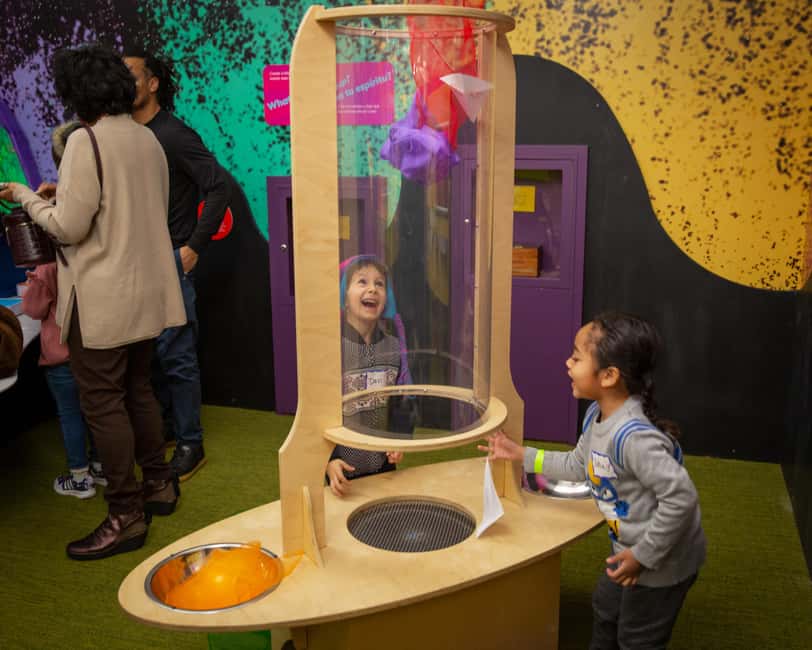
Rotating exhibits are specifically noted, which is a practical advantage. Even if you’ve visited before, the museum can offer something different over time. For families, that translates to fewer “we already did this” moments.
It also helps on longer stays. When the day starts to feel repetitive, you can switch to the latest or different exhibit areas without forcing it. Just keep an eye on what’s available during your visit and adjust your plan on the fly.
Rainy-Day Strategy and Seasonal Themes Like Halloween
One of the nicest things about this museum is how well it handles a full indoor day. If Boston weather turns sideways, you don’t need to scrap your plans. The museum is built for staying inside and staying busy.
Seasonal programming can also make a difference. Halloween-themed visits are described as a reason families return, which tells you something important: the museum can feel different depending on the time of year. So if your trip lines up with a theme, lean into it. You’ll likely get more buy-in from kids who love holiday costumes, spooky stories, or themed activities.
Rules You Should Know Before You Arrive
This is one of those places where knowing the basics ahead of time keeps the day smooth.
- Everyone after their first birthday needs a ticket. Infants under 1 are free.
- All children 15 and under must be accompanied by an adult 16+.
- Adults unaccompanied by children must follow the Unaccompanied Adult Policy, which includes leaving a government-issued photo ID at the Admissions Desk.
- The museum is wheelchair accessible.
- What’s not allowed: weapons or sharp objects, smoking, vaping, and alcohol and drugs.
Also, there’s English support from the host/greeter. So if you’re traveling with limited English, you’ll still be fine, since the main on-site language is listed as English.
Who This Fits Best (And Who Should Think Twice)
This ticket fits best for:
- Families with kids who want hands-on learning and movement.
- Parents who prefer structured play rather than endless wandering.
- Mixed-age families, since there are exhibits for toddlers and for older kids.
- Kids who like physical challenges, building, science experiments, or cultural learning.
You might think twice if:
- Your group is adult-only and you’re expecting a museum focused on adult history or art.
- Your kids strongly dislike tactile, hands-on exhibits. This museum leans into participation.
Book It or Skip It: My Practical Recommendation
I’d book this ticket if you want one place in Boston where your kids can climb, build, experiment, and learn culture in the same day. The $28 price is easier to justify when you plan to spend most of the day there, not just “pop in.” Between the climbing structure, the Construction Zone, the Japanese House, and toddler-friendly PlaySpace, the museum covers a lot of kid interests without forcing you into one single activity.
Skip or reconsider if you only have a short window and your kids won’t tolerate indoor, hands-on play for long stretches. In that case, you might get less value out of a full day ticket.
If you’re unsure, use this rule: if your kids love doing things (climbing, building, experimenting), this is a strong pick. If they prefer quiet entertainment, you’ll still find calm options like the Japanese House—but you’ll want to manage expectations about the physical, playful tone of the day.
FAQ
How much is the Boston Children’s Museum entry ticket?
The price is listed as $28 per person.
How long is the admission valid?
The ticket is valid for 1 day. You’ll check availability to see starting times.
Are tickets required for infants and toddlers?
Yes. Everyone after their first birthday requires a ticket. Infants under 1 are free.
Are unaccompanied adults allowed?
Adults unaccompanied by children must follow the Unaccompanied Adult Policy, which requires leaving a government-issued photo ID at the Admissions Desk.
Do children need an adult with them?
Yes. All children 15 and under must be accompanied by an adult 16+.
Is the museum wheelchair accessible?
Yes. The activity is listed as wheelchair accessible.
What language is support provided in?
The host/greeter is listed as English.
What is included in the ticket price?
The ticket includes entry to the Museum.
What items are not allowed inside?
Weapons or sharp objects are not allowed, and smoking, vaping, alcohol, and drugs are also not allowed.
Stubs and Entries Around Boston




More of the Boston Ledger




Boston Behind the Turnstiles

New on the Boston Docket
- Boston to Newport Mansions Private Day Trip
★ 5.0 · 3 reviews - Boston Massachusetts Private Photography Tour
★ 5.0 · 3 reviews - Homemade Dumplings 101 in Boston
★ 3.5 · 3 reviews - Self-Guided Audio Tour of Boston North End
★ 4.5 · 3 reviews - Old Boston: Beacon Hill & Back Bay Walking Tour in French
★ 4.7 · 3 reviews
Boston Museums & Attraction Tickets, compared.
 ★ 4.5Boston Tea Party Ships and Museum AdmissionFrom $352,512 reviews
 ★ 4.8Boston Tea Party Ships and Museum Interactive TourFrom $351,926 reviews
 ★ 4.7View Boston Observation Deck Entry TicketFrom $341,451 reviews
 ★ 4.0New England Aquarium Admission Ticket in Boston446 reviews
 ★ 4.3Franklin Park Zoo Entry TicketFrom $24430 reviews
 ★ 3.9Salem Witch Museum Admission TicketFrom $18417 reviews
 ★ 4.0Boston Pass: 40+ Things To Do – Includes Franklin Park ZooFrom $79359 reviews
 ★ 4.5View Boston Observation Deck Admission TicketsFrom $34314 reviews
Browse the lists this tour appears in